Can Babies Eat Other Foods?
It depends entirely on which one. This is the catch all category: grains such as rice, seeds, dishes, drinks, condiments and sweeteners, plus the short list of things that are genuinely off limits. Some are ideal first foods, some wait until two, and three or four are hard no. Each has a badge below showing when it can start.
 1y+Honeyit's important to wait until your baby turns
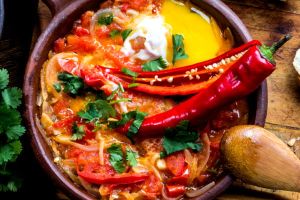 6m+Spicy Foodis food containing seasoning with
 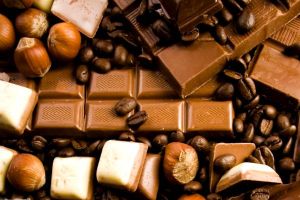 2y+ChocolateIf your child does not show symptoms of
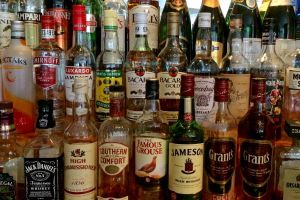 18y+Alcoholkeep them out of your children’s reach
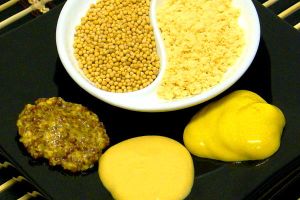 1y+Mustardimproves digestion thanks to the antioxidants
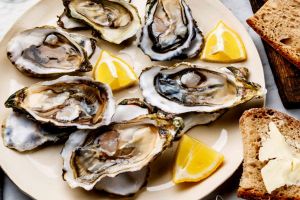 1y+Oysterscan be consumed raw, smoked, baked,
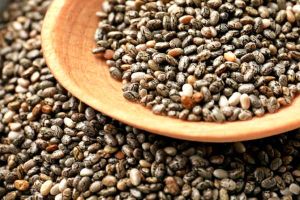 6m+Chia Seedsis necessary for your baby’s health to soak
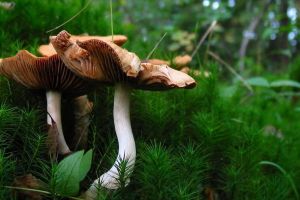 1y+Mushroomsare composed of water, some carbs, proteins and
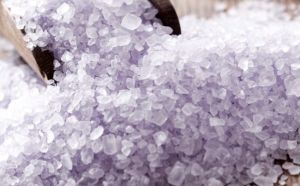 1y+Saltis a mineral composed mainly of sodium
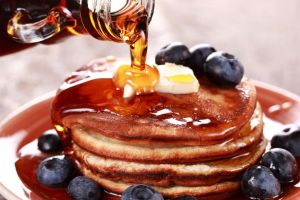 2y+Maple Syrupis usually used as a condiment in pancakes or
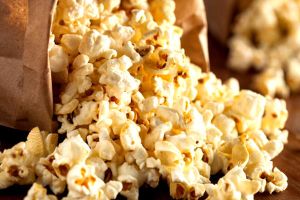 4y+Popcornis usually cooked with oil or butter
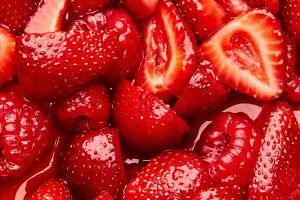 6m+Strawberriesare high in sugar and in vitamin C
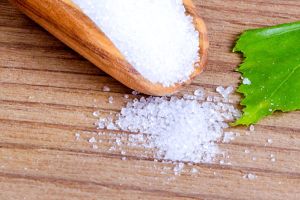 1y+Xylitolis a food additive and a sugar substitute
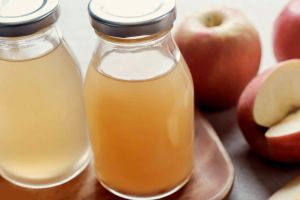 6m+Vinegaris a watery solution of acetic acid
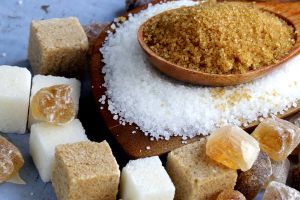 2y+Sugaris the definition for any soluble carbs
 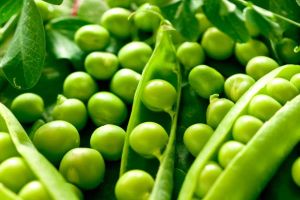 6m+Peascan be classified as garden, sugar and
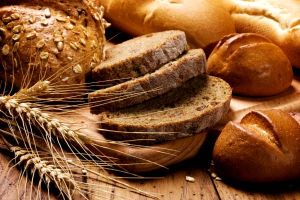 7m+Breadstart giving your baby bread at the age of
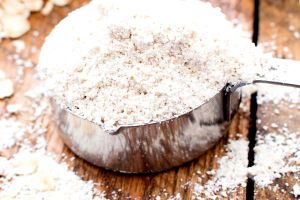 6m+Flourhas its beneficial effect on a baby’s diet
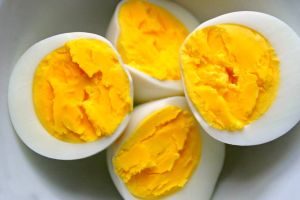 6m+Eggshave always been important foods for humans
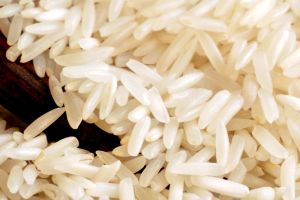 6m+Riceis a seed and the most widely consumed
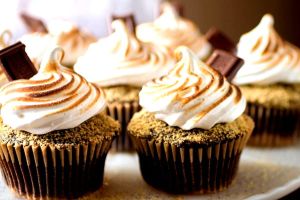 6m+Muffinscan refer to two different products: a flatbread
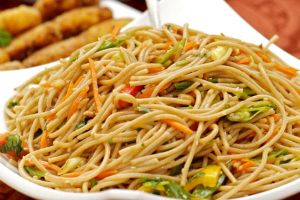 6m+Noodlesare popular foods, made from unleavened dough
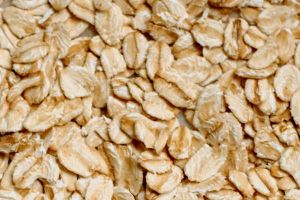 6m+Oatmealreduces the levels of blood cholesterol
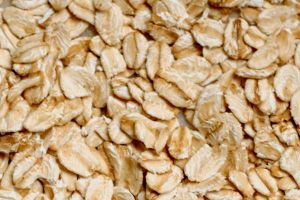 6m+Oatscontain carbs, dietary fibers, fats and
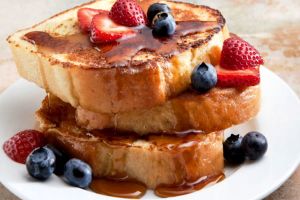 8m+French Toastcan be given to babies as finger food starting
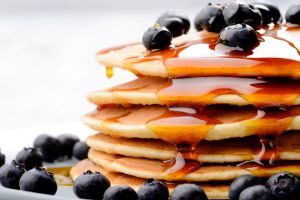 6m+Pancakescan be healthier, if you make them from
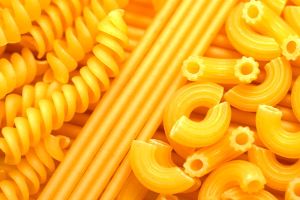 6m+Pastaare classified in two main categories
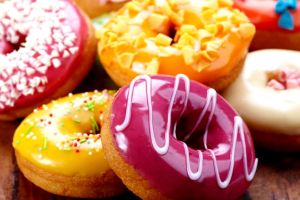 2y+Donutsare all deep fried from a flour dough
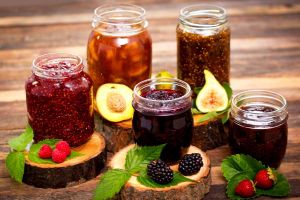 2y+Jamis also a source for sugar, which makes it unhealthy
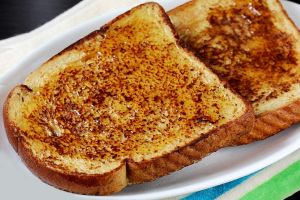 6m+Toastis bread, which was browned by toasting
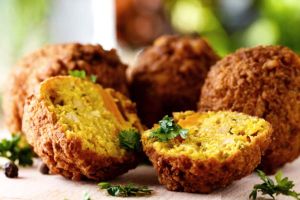 6m+Falafelrepresent an excellent choice for finger
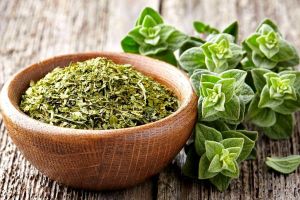 6m+Oreganois a culinary herb, used mostly in its dried
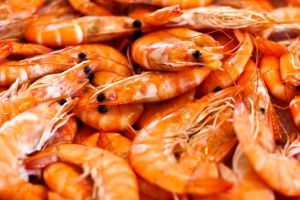 1y+Prawnsis used to identify small aquatic crustaceans
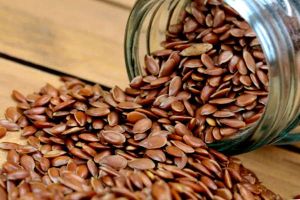 6m+Flax Seedsare a great source for fiber, which help
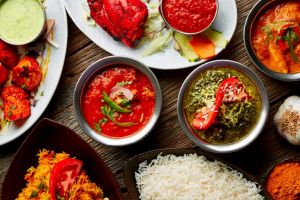 6m+Indian Foodin limited quantities at the age of 8 – 10 months. Spices
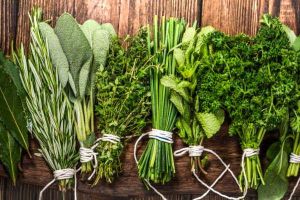 6m+Herbsis an excellent way to offer them interesting
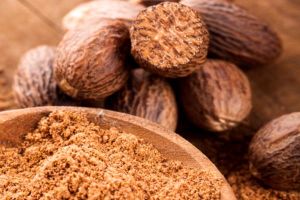 6m+Nutmegis high in dietary fibers, and contains
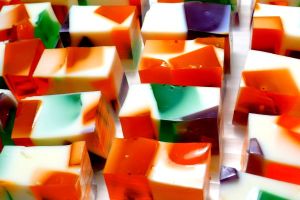 1y+Jellyis actually a simple fruit juice transformed into a
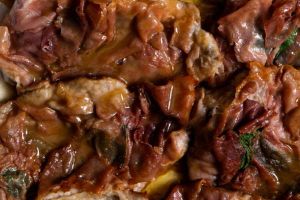 6m+Vealis the meat of calves. It can be
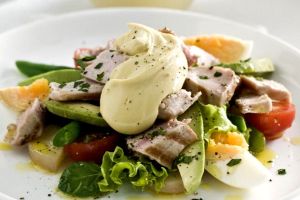 1y+Mayohas calories, fat, but also vitamins E and K, and
 6m+Tomato Saucewas first mentioned by a Spanish friar
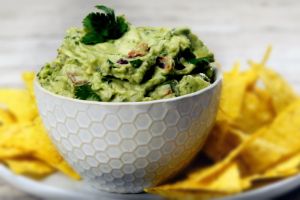 6m+Guacamoleare easily made, and can be altered according
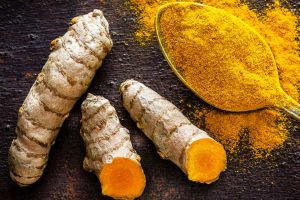 6m+Turmericis a flowering plant of the ginger
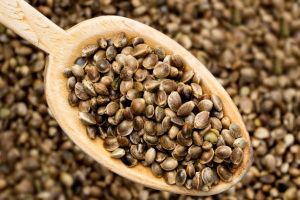 6m+Hemp Seedsare an excellent source for protein, omega fatty
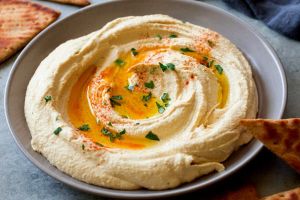 6m+Hummusat the age of 6 months, once you start introducing
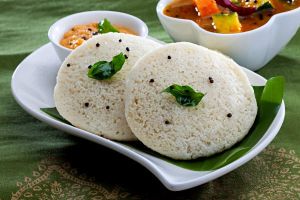 6m+Idliis a nutritious dish, which can be served starting at
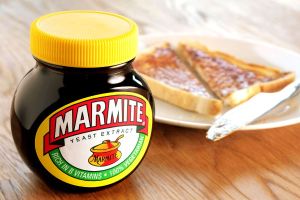 1y+Marmite is salty, that is why parents should carefully
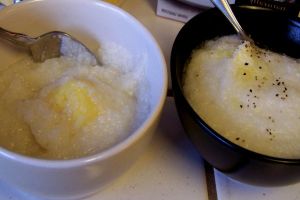 6m+Gritsoffer a good change, being slightly different
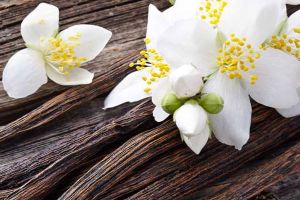 6m+Vanillais a spice obtained from the pods of
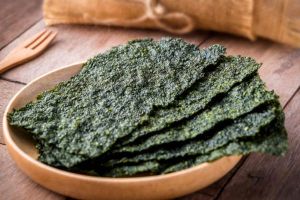 6m+Noriis the Japanese definition for edible
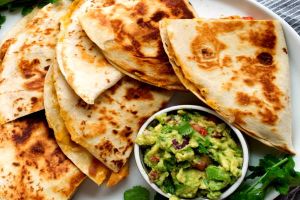 9m+Quesadillasis a type of taco dish, made from
  6m+Seaweedor macroalgae is marine algae. Some
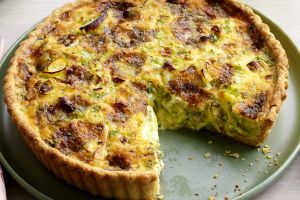 9m+Quicheis a French tart containing a pastry crust
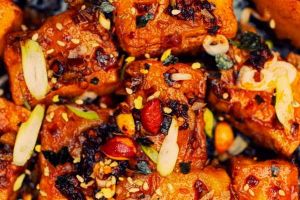 8m+Tofuis made by coagulating soy milk and
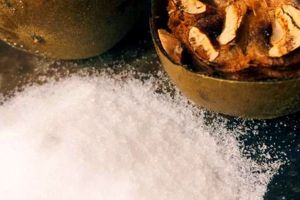 2y+Erythritolis an artificial sugar substitutes for
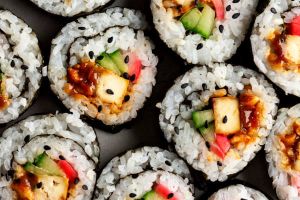 5y+Sushiis a traditional Japanese dish made of
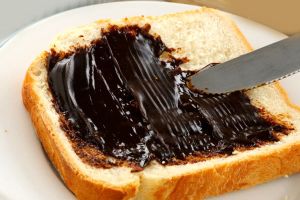 1y+Vegemiteis a thick, dark brown, spreadable
 1y+Vodka Sauceis a sauce composed of a smooth tomato
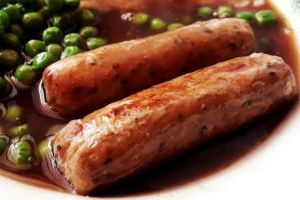 2y+Quorn Sausageis made from Quorn, which is a mycoprotein
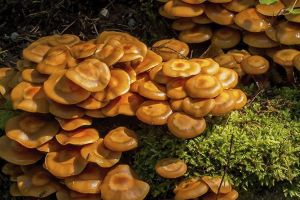 2y+Quornvegan burgers, vegan sausage rolls and
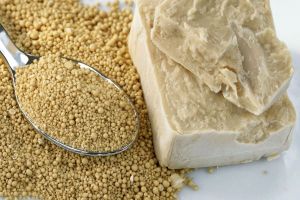 6m+Yeastis a single-celled microorganism belonging
  6m+Kodiak Cakesis the name of a brand of pancakes, fruit syrup
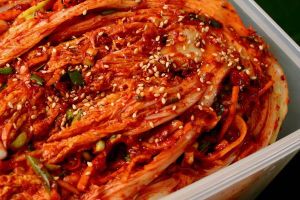 1y+Kimchiis a staple food in Korea. Small amounts can be
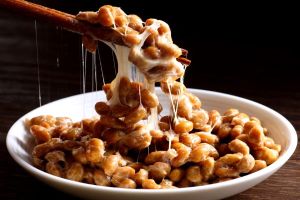 8m+Nattois a traditional Japanese food made from
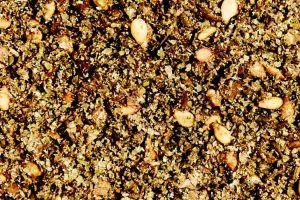 6m+Zaataris an herb used in cuisines, but it
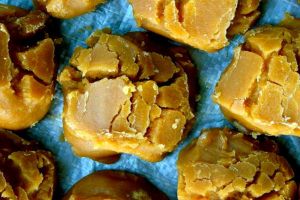 2y+Jaggeryor any kind of sugar into your baby’s diet only after
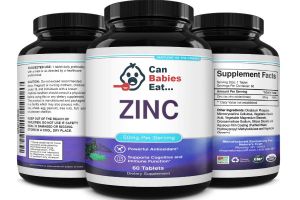 Zincis a chemical element and an essential
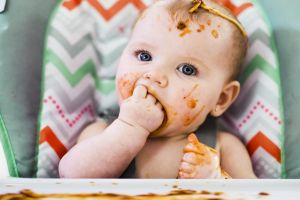 Too MuchThere are many common signs of overfeeding
 In Car Seatis designed in order to protect children
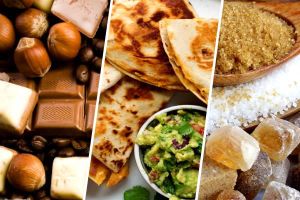 6m+Otherthat can't be categorized as fruits, vegetables
The genuine hard rules
Most feeding advice is about preference and preparation, down to which herbs you cook with. A small number of things are firm:
Never, or not before 12 months
- Honey, not before 12 months, because of infant botulism, and cooking does not help
- Alcohol, never, at any age in childhood
- Raw shellfish, not for young children at all
- Raw and undercooked flour and dough, because of E. coli
- Undercooked kidney beans, which contain a natural toxin
- Whole nuts and popcorn, choking risks until about 4 years
Sugar, salt and sweeteners
Several pages in this category share one theme, which is that a food can be perfectly safe and still not belong in a baby's diet. Added sugar is not recommended before 24 months, whether it arrives as jam or as a sweetener such as xylitol, and salt should not be added at all in the first year. That covers a lot of ground:
| Group | Examples | Guidance |
|---|---|---|
| Added sugars | Sugar, maple syrup, jaggery, jam | Avoid under 24 months |
| Sweeteners | Xylitol, erythritol | Avoid under 24 months |
| Salty staples | Salt, Marmite, pickles, soy sauce | No added salt under 12 months |
| Stimulants | Chocolate, caffeine | Avoid under 24 months |
| Aromatic spices | Turmeric, cumin, oregano, ginger | Fine from 6 months |
| Chilli heat | Jalapenos, chilli powder | Wait until after 12 months |
Added sugar guidance follows the CDC recommendation to avoid it entirely before age two. Source: Centers for Disease Control and Prevention.
How to read the badges
Each card above carries the age that food can usually start. A blue badge means 6 to 11 months, so it fits into early weaning. A red badge means 12 months or later, which is generally either salt, added sugar, a choking risk or a specific safety concern. Tapping through to the article explains which, since the reasons differ enormously.
A few entries are not foods at all but topics, including overfeeding, zinc and feeding in a car seat. Those are worth reading regardless of what is on the plate.
Check the label rather than the category: more than anywhere else on this site, the products in this section vary enormously between brands. Two veggie burgers, two pancake mixes or two jars of tomato sauce can differ several fold in salt and sugar. Where a page says to read the packet, that is doing real work.
Other foods FAQ
Which foods should babies never have?
Three are genuine hard rules rather than preferences. Honey is unsafe before 12 months because of infant botulism, and cooking does not make it safe. Alcohol is never appropriate at any age in childhood. And raw or undercooked shellfish, eggs and flour carry infection risks a baby handles badly.
When can babies have added sugar and salt?
Added sugar is best avoided until 24 months, and salt should not be added at all before 12 months. Babies under a year are limited to less than 1 g of salt a day in total, which everyday foods like bread and cheese already use up. Both have their own detailed guides.
Which grains are best for a baby?
Oats are the standout first grain: soft when cooked, decent iron, rarely allergenic. Beyond that, rice, bread, pasta and fermented grain dishes like idli all work from 6 months. Vary them rather than relying on rice at every meal, because of trace arsenic in rice.
Are baby snack products worth buying?
Some are useful, many are marketing. Puffed corn and rice snacks made for babies genuinely dissolve in the mouth, which is the right texture. Products like veggie straws are essentially crisps with vegetable powder for colour, and do not count as a vegetable portion.
Sources
- Foods and Drinks for 6 to 24 Month Olds, Centers for Disease Control and Prevention.
- Weaning and feeding, NHS.
- FoodData Central, U.S. Department of Agriculture.
This article is general information, not medical advice. Every baby is different. Talk to your doctor, health visitor or paediatrician about your own baby, and about starting solids or any allergy concerns.