Can Babies Eat Zaatar?
Yes, from 6 months, but it counts as a sesame introduction. Zaatar is a lovely thing to give a baby, aromatic without any heat, and it makes plain food taste like a real meal. Two things to know: the sesame in it is a major allergen, and shop bought blends are usually salted. Making your own takes two minutes and fixes the second.
Zaatar is one of the more useful things to have in the cupboard when you are cooking for a baby, because it delivers a lot of flavour with no chilli and no sugar. It also happens to be a convenient way to get sesame into the diet early, which current allergy guidance encourages. Like nutmeg, it belongs with the store cupboard flavourings rather than the main meal. Both of those things are good, provided you introduce it deliberately rather than by accident.
What is zaatar?
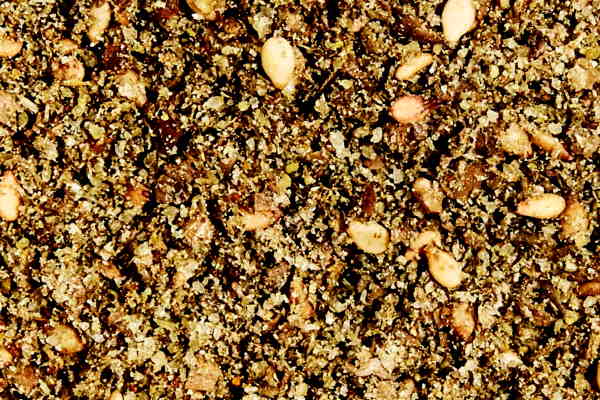
Zaatar is a Middle Eastern blend, and the word refers both to the mixture and to the wild herb at its heart, a relative of thyme and oregano. A typical blend is that herb plus toasted sesame seeds, ground sumac for a lemony sourness, and salt. Proportions vary a great deal by country and by family.
Our herbs page covers the wider case for seasoning baby food, and hummus is the other common route to introducing sesame, via tahini.
What is in the blend
Used a pinch at a time, so this is about what each part contributes:
| Ingredient | What it brings | Note for babies |
|---|---|---|
| Thyme or wild oregano | Aromatic, savoury | Fine from 6 months |
| Sesame seeds | Nutty flavour, calcium, iron | Major allergen |
| Sumac | Lemony sourness | Fine from 6 months |
| Salt | Seasoning | Leave out under 12 months |
| Sometimes cumin | Warmth | Fine from 6 months |
Composition varies widely by region and producer, so check the label. Source: USDA FoodData Central.
When can babies have zaatar?
Early, with the sesame introduction handled properly:
A pinch on a flatbread with olive oil, or stirred into yogurt as a dip. Offer it alone the first time, since this is a sesame introduction.
Once tolerated, keep offering sesame containing foods every week or so, which appears to help maintain tolerance to an allergen.
The salted versions become workable once the daily allowance rises to about 2 g. Check the label, since salt content varies a lot.
Sesame is a major allergen, and it is easy to miss: it has been on the UK and EU declarable list for years and became the ninth major allergen in the United States in 2023. Reactions can be severe. Whole sesame seeds are also a small choking risk for a young baby, which is another reason to grind them for the blend rather than leaving them whole.
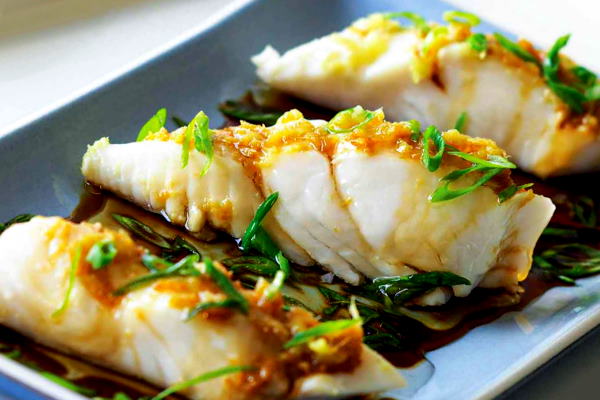
No salt zaatar with flatbread fingers
Grinding the sesame both releases more flavour and removes the whole seed texture:
No salt zaatar with flatbread fingers
Makes about 10 servings of blend, from 6 monthsIngredients
- 2 tablespoons dried thyme or oregano
- 1 tablespoon sesame seeds
- 1 teaspoon ground sumac
- Olive oil and soft flatbread, to serve
Method
- Toast the sesame seeds in a dry pan for 2 minutes until fragrant, then grind them finely.
- Mix with the thyme and sumac, and store in a jar for up to three months.
- Brush a soft flatbread with olive oil and sprinkle over a small pinch of the blend.
- Warm briefly, cut into finger width strips, and cool before serving.
Risks and safety
Sesame allergy is the main thing. Introduce zaatar on its own, earlier in the day, when your baby is well, and watch for hives, a blotchy rash, swelling around the lips or eyes, vomiting or an itchy mouth within two hours. Wheezing, breathing difficulty, throat swelling or a pale floppy baby is anaphylaxis and needs emergency services immediately. Current guidance is to introduce sesame from around six months rather than delay it, since delaying appears to raise allergy risk.
Salt is the second point, and it applies only to shop bought blends, where it can be a substantial proportion. Check the label or make your own. Beyond those two, zaatar is simply a herb mix, with no heat and nothing else to worry about. See our salt guide for the age limits.
Zaatar FAQ
Can babies eat zaatar?
Yes, from around 6 months, but treat it as a sesame introduction. Zaatar is a herb blend containing sesame seeds, which are a major allergen, so offer it on its own the first time and watch. Most shop bought blends also contain salt, so a homemade version is better for a young baby.
Does zaatar contain allergens?
Yes, sesame. Sesame is a recognised major allergen in the UK, EU and, since 2023, the United States, and reactions can be severe. If your baby has not had sesame before, zaatar is effectively their first exposure, so introduce it carefully rather than assuming a herb blend is harmless.
Is zaatar spicy?
No, and that is a common mix up. Zaatar is aromatic rather than hot: thyme or wild oregano, toasted sesame, sumac for a lemony tang, and salt. There is no chilli in a traditional blend, which makes it a good way to give a baby real flavour without heat.
How do I make zaatar without salt?
Mix two tablespoons of dried thyme or oregano with one tablespoon of toasted ground sesame seeds and one teaspoon of ground sumac. That is the whole recipe, and leaving out the salt changes very little, since the sumac provides the sharpness that salt usually carries.
Sources
- Za'atar, Wikipedia.
- Food Allergies, U.S. Food and Drug Administration.
- Feeding and Nutrition, American Academy of Pediatrics.
This article is general information, not medical advice. Every baby is different. Talk to your doctor, health visitor or paediatrician about your own baby, and about starting solids or any allergy concerns.