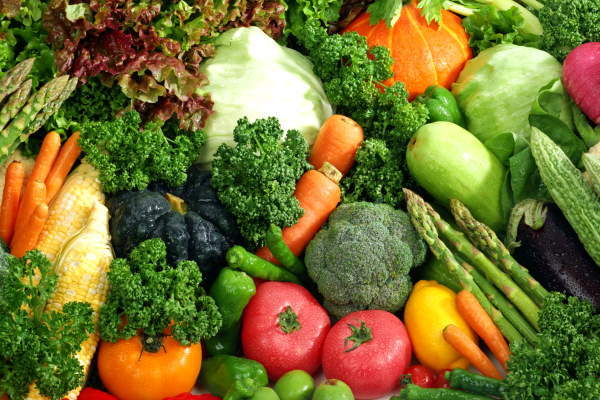
Can Babies Eat Vegetables?
Nearly all of them, from 6 months, cooked soft. Vegetables are the food group most worth persisting with, because acceptance takes longer than it does for sweet things and the pattern set now tends to last. The one consistent rule is texture: cook until a piece squashes between your fingers, and leave raw vegetables until about 4 years.
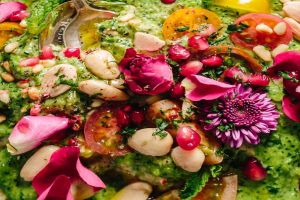 6m+Vegandiet is higher in dietary fibers,
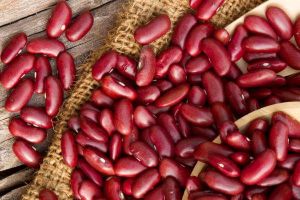 7m+Beansyou should rinse them first, before
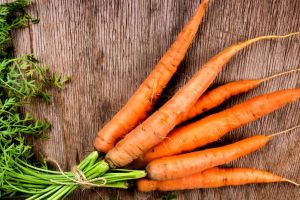 6m+Carrotscan be introduced into a baby’s diet at the age of
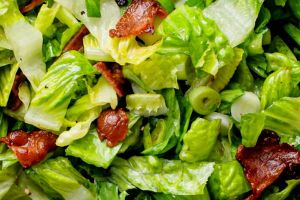 9m+Lettuceis a perfect vegetable for toddlers. It is high in
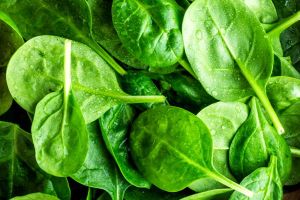 6m+Spinachis a leafy green flowering plant
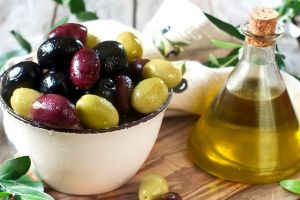 6m+Olivesare cultivated for their fruit and
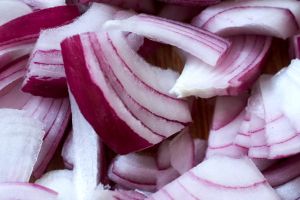 8m+Onionsshould be introduced into a baby’s diet
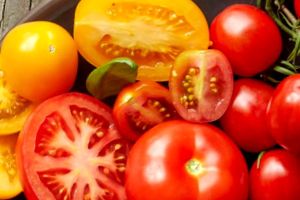 6m+Tomatoesare the edible, usually red berries of
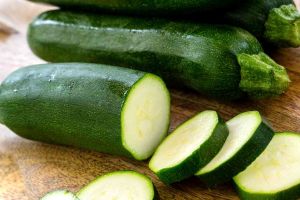 6m+Zucchinialso known as courgette, marrow or baby
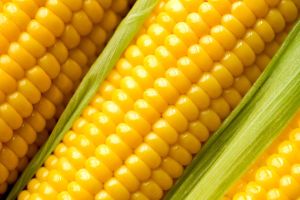 6m+Cornhas mostly starchy carbs and is considered an
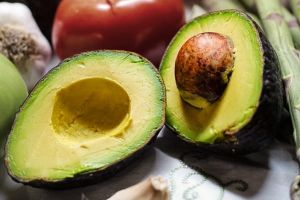 6m+Avocadoare very nutritious, they contain high
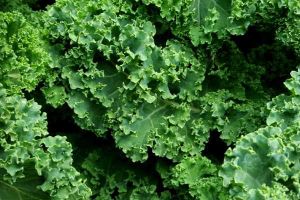 7m+Kaleas well as spinach contains nitrates, which can make
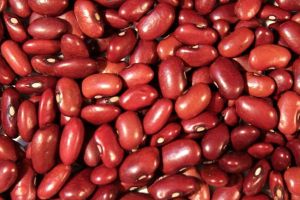 6m+Kidney Beanslegumes introduction into a baby’s diet
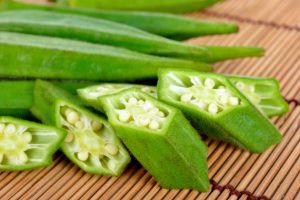 6m+Okraseeds are pressed into edible okra oil
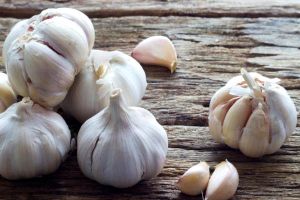 6m+Garlicto your baby in small amounts, by adding it in
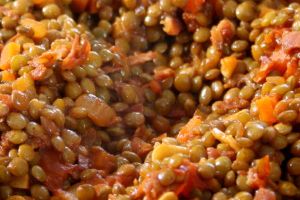 6m+Lentilsare high in calories, carbs, dietary fibers and
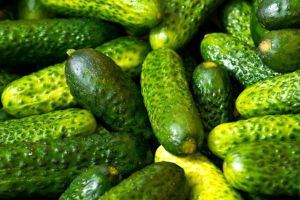 1y+Picklesor a gherkin is actually a cucumber, which
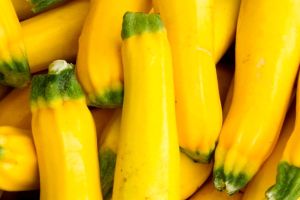 6m+Yellow Squashis a type of summer squash, belonging to
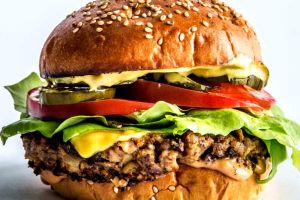 9m+Veggie Burgersdo not contain meat, made from beans
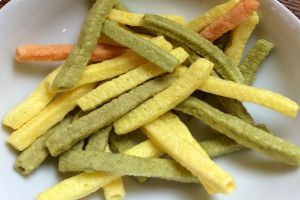 1y+Veggie Strawsare snacks, made from different
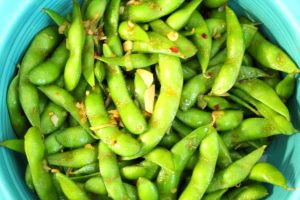 6m+Edamamecome in two separate forms: beans or pods
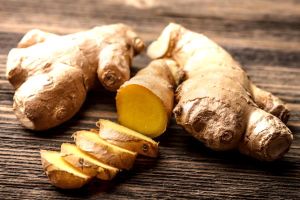 6m+Gingercan have side effects as well, if it is
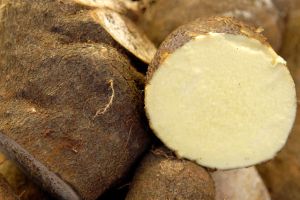 6m+Yamsare plants which form edible starchy
 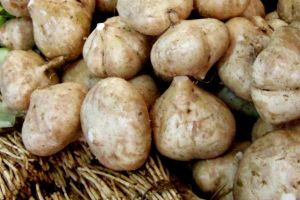 6m+Jicamais rich in antioxidants, aiding hearth functions
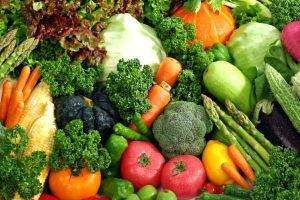 6m+Vegetablesare plants eaten by humans and also
Where to start
Carrot, sweet potato, butternut squash and courgette are the usual first vegetables. All four cook down soft, all are mild, and the sweeter ones tend to be accepted readily. Broccoli and cauliflower florets are worth adding early too, since their shape makes them easy for a baby to hold by the stem.
Greens like spinach and kale are more strongly flavoured and often take longer to accept, which is normal rather than a problem. Blending them into something milder works while their palate catches up.
Preparing vegetables by age
Texture is the whole story, and it changes steadily:
Steamed or roasted batons long enough to stick out of a fist, or blended purees. Add a teaspoon of olive oil, since vegetables are light on energy.
Bite sized cubes as the pincer grip develops. Leave more texture in mashes rather than blending smooth, which helps them learn to chew.
Raw carrot, pepper and celery are firm and crunchy, which is the classic choking profile, as are the harder fruits. They belong with the other raw hard foods until chewing is reliable.
Cooked soft is the test, not the clock: steaming times vary with how thickly you cut things, so check rather than trusting the timer. Press a piece between finger and thumb. If it holds its shape and resists, it needs longer. This one habit removes most of the risk attached to vegetables.
Making them taste of something
Cooking without salt does not mean cooking without flavour, and the difference matters for acceptance:
Roast rather than boil
Roasting concentrates natural sugars, while boiling leaches them into the water. The same carrot tastes noticeably sweeter.
Use herbs and mild spice
Cumin, paprika, oregano and thyme are all fine from 6 months. See our herbs guide.
Add fat
Olive oil, butter or full fat yogurt improve both flavour and energy density, and help absorb fat soluble vitamins.
Finish with acid
A squeeze of lemon lifts a bland mash and helps iron absorption at the same meal.
Safety notes
Two vegetables on this list carry specific warnings worth knowing. Jicama is edible only as the peeled root, since the skin, leaves and seeds are toxic. Kidney beans must be boiled hard rather than slow cooked, because raw and undercooked beans contain a genuine toxin. Both have their own pages.
More generally: wash everything, including produce you will peel. Cook until soft. Cut round items such as cherry tomatoes lengthways into quarters. And introduce new vegetables one at a time when convenient, so a reaction would be traceable, though vegetable allergies are uncommon.
Vegetables FAQ
Which vegetables should a baby try first?
Carrot, sweet potato, courgette, butternut squash and broccoli are all good starting points. They cook soft quickly, they are mild, and they hold together well enough to serve as finger strips. Starting with vegetables rather than fruit is sometimes suggested, though there is no strong evidence it changes anything.
Do vegetables need to be cooked for babies?
Almost always, yes. Raw vegetables are firm and crunchy, which puts them among the higher choking risks for under fours. Steam, boil or roast until a piece squashes easily between finger and thumb. Avocado and very ripe tomato are the main exceptions that need no cooking.
My baby refuses vegetables. What should I do?
Keep offering without pressure. It commonly takes eight to fifteen exposures before a child accepts a new vegetable, and refusing something today says nothing about next month. Roasting rather than boiling helps, since it concentrates sweetness, and eating the same food yourself in front of them helps more than any technique.
Are frozen vegetables as good as fresh?
Yes, and sometimes better. Frozen vegetables are picked and frozen quickly, which preserves vitamins that decline in fresh produce during transport and storage. They are cheaper, they cook fast, and they save waste. Choose plain frozen vegetables without added salt or sauce.
Sources
- Weaning and feeding, NHS.
- Choking Prevention, American Academy of Pediatrics.
- FoodData Central, U.S. Department of Agriculture.
This article is general information, not medical advice. Every baby is different. Talk to your doctor, health visitor or paediatrician about your own baby, and about starting solids or any allergy concerns.