Can Babies Eat Yams?
Yes. Yam is a lovely first food from around 6 months. Cook it soft and either puree it or hand over soft sticks for baby-led weaning. It is naturally sweet and filling, which tends to go down well. Just cook it properly, because raw yam is hard and not baby-friendly.
Yam is a quiet hero of baby food. It is cheap, it stores for ages, and once cooked it mashes into a soft, sweet puree with almost no effort. It also plays nicely with just about everything else on the plate. Here is when to start yam, how to serve it at each stage, and a recipe that takes about five minutes of actual work.
What is a yam?
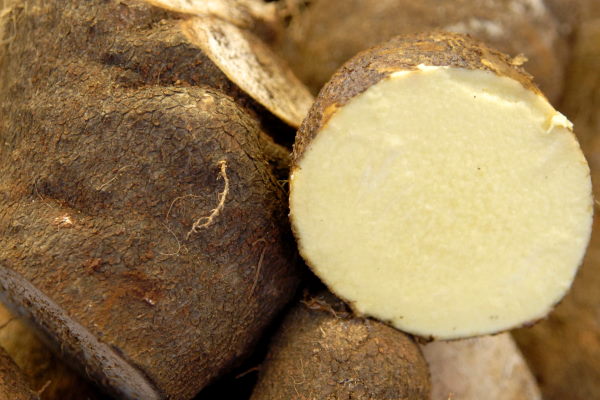
A yam is a starchy root vegetable that grows underground in warm parts of the world. The flesh is firm and dense when raw and turns soft and sweet once cooked. A quick note on names: in some countries, especially the United States, sweet potato is sold as yam, so the two get muddled all the time. For babies, both work the same way.
Yam is a brilliant base to build on. Its gentle sweetness balances stronger flavours, so blend it with spinach for a green mash, or swirl in some mashed avocado for extra healthy fats.
Yam nutrition for babies
Yam is mostly about energy. It gives slow-release carbs to keep a busy baby going, plus fibre, potassium and a little vitamin C.
| Nutrient | Per 100 g (raw) |
|---|---|
| Energy | 118 kcal |
| Carbohydrate | 27.9 g |
| Fibre | 4.1 g |
| Protein | 1.5 g |
| Potassium | 816 mg |
| Vitamin C | 17 mg |
Typical values for raw yam. Source: USDA FoodData Central.
When can babies eat yam?
Yam can start from around 6 months. Cook it soft every time, and change the shape as your baby gets more confident:
Steam or bake yam until soft, then puree it. Or offer thick, soft sticks your baby can grab and gum.
Cut soft cooked yam into small pieces as your baby gets the hang of the pincer grip.
Tip: baking yam whole in its skin keeps more of the flavour and makes the flesh extra soft. Just scoop it out once it cools, and mash to the texture your baby needs.
Health benefits of yam for babies
Steady energy
The starchy carbs in yam release energy slowly, so a bowl keeps your baby full and fuelled.
Fibre
Yam brings useful fibre, which supports digestion and helps keep things moving comfortably.
Potassium
It is a good source of potassium, which the body uses for healthy muscles and nerves.
Yam is filling on its own, but it shines as a partner. Stir it through lentils for a hearty, iron-friendly meal, or keep exploring roots and greens on our vegetables guide.
How to serve yam safely
Do
- Peel and cook yam until fully soft.
- Puree it or offer soft finger-sized sticks.
- Let it cool before serving.
- Use its natural sweetness instead of adding sugar.
Avoid
- Raw or firm undercooked yam.
- Adding salt or butter for young babies.
- Hard chunks that have not softened.
- Leaving your baby to eat alone.
Risks and safety
Cooked yam is soft and low on both the allergy and choking scales, so there is not much to worry about here. The one rule is simple: always cook it through, because raw yam is hard, and some types are not meant to be eaten raw at all. Jicama is the rare root that is safer raw than cooked.
Starting solids: introduce yam on its own and watch how your baby gets on. The NHS has straightforward advice on weaning and safe first foods.
Easy yam recipe (6 months)
Simple yam puree for baby
Makes 3 baby portions, from 6 monthsIngredients
- 1 small yam or sweet potato, peeled and diced
- Water or breast milk or formula to loosen
Method
- Steam or boil the diced yam until soft, about 15 minutes.
- Mash or blend it until smooth.
- Loosen with a little water, breast milk or formula, then cool before serving.
Yam FAQ
When can babies eat yam?
Babies can have yam from around 6 months. Cook it until soft, then puree it or cut it into soft sticks for baby-led weaning. It is naturally sweet, so most babies take to it quickly.
Are yams and sweet potatoes the same thing?
Not quite, though the names get mixed up. True yams are a starchy tropical root, while sweet potato is a different plant that is often called a yam, especially in the United States. Both cook down soft and work well for babies.
How do you cook yam for a baby?
Peel it, chop it, then steam, boil or bake until soft enough to mash with a fork. Puree it for early eaters, or leave soft finger-sized pieces for babies doing baby-led weaning.
Is yam good for babies?
Yes. Yam gives slow-release carbs for energy, plus fibre and some vitamin C. Its soft, sweet flesh makes it an easy and filling early food.
Sources
- Yam (vegetable), Wikipedia.
- FoodData Central, U.S. Department of Agriculture.
- Weaning and feeding, National Health Service (UK).
This article is general information, not medical advice. Every baby is different. Talk to your doctor, health visitor or paediatrician about your own baby, and about starting solids or any allergy concerns.