Can Babies Eat Spinach?
Yes. Spinach is fine from around 6 months. Cook it, then blend it into a puree or stir it through a mash. It brings iron and folate to the table, and a squeeze of fruit alongside helps your baby soak up that iron. Fair warning: it stains everything.
Spinach is one of those foods that feels like a win as a parent. It is packed with good stuff, it cooks in seconds, and it hides beautifully in a puree. The trick is simple: cook it and blend it, because a floppy raw leaf is not a baby's friend. Here is when to start, how to serve it, and a recipe that actually gets eaten.
What is spinach?
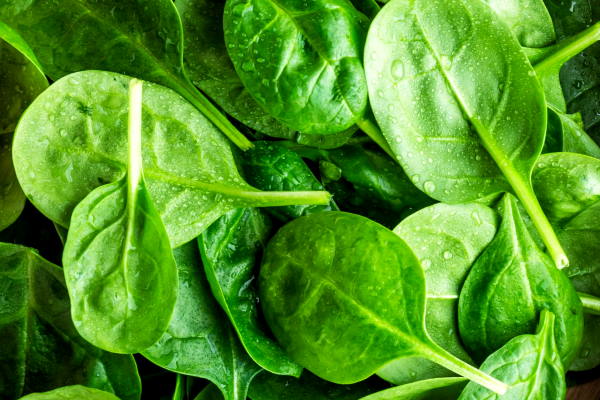
Spinach is a leafy green vegetable with soft, dark leaves. You can eat it raw or cooked, though it shrinks dramatically when heated, so that giant pan of leaves becomes a modest spoonful. For babies, cooked and blended is the way to go.
On its own, spinach is a bit much for a new eater. Blend it into something mellow. It disappears into carrot puree, mashed potato, or a fruit mix, and nobody is any the wiser.
Spinach nutrition for babies
Spinach punches above its weight. It brings iron, folate, vitamin A and vitamin C, all in a low-calorie leaf.
| Nutrient | Per 100 g (raw) |
|---|---|
| Energy | 23 kcal |
| Protein | 2.9 g |
| Fibre | 2.2 g |
| Iron | 2.7 mg |
| Folate | 194 mcg |
| Vitamin C | 28 mg |
| Vitamin A | 469 mcg |
Typical values for raw spinach. Source: USDA FoodData Central.
When can babies eat spinach?
Spinach can join the menu from around 6 months. The texture is what changes as your baby grows:
Wilt the spinach, then blend it smooth into a puree or mash. On its own it can taste sharp, so mixing it with something sweet and starchy helps.
Stir finely chopped cooked spinach through soft foods like scrambled egg, risotto or pasta sauce.
Spinach can go into more or less anything now, from omelettes to curries. Keep the salt low and it fits right into what everyone else is eating.
Tip: pair spinach with a vitamin C food to boost iron absorption. A little orange or a spoon of fruit puree next to it does the job.
Health benefits of spinach for babies
Iron
Spinach offers plant-based iron, which babies need in bigger amounts from 6 months to support growth.
Folate
It is rich in folate, a B vitamin the body uses to make new cells during a fast growth stage.
Vitamin A
The vitamin A in spinach supports healthy eyes, skin and a working immune system.
Because it is so easy to hide, spinach is a handy way to add greens to meals your baby already likes. Fold it into oatmeal is a step too far for most, but a savoury mash or a cheesy sauce takes it happily.
How to serve spinach safely
Do
- Wash the leaves well and cook until wilted.
- Blend or finely chop it for young babies.
- Serve it with a vitamin C food for iron.
- Mix it into foods your baby already enjoys.
Avoid
- Big raw leaves, which are stringy and hard to chew.
- Making spinach the whole meal every single day.
- Adding salt.
- Reheating cooked spinach more than once.
Risks and safety
Spinach is low on the allergy scale and, once cooked and blended, low on the choking scale too. The only thing worth a mention is nitrates. They are natural in leafy greens, and for a baby over 6 months eating a range of foods they are not a problem, so just keep the diet varied. The same goes for kale.
Variety is the point: the World Health Organization advises offering a range of safe, nutritious foods from 6 months, so rotate spinach with other vegetables rather than serving it on repeat.
Easy spinach recipe (6 months)
Spinach and potato baby puree
Makes 3 baby portions, from 6 monthsIngredients
- 1 small potato, peeled and diced
- 1 large handful of fresh spinach
- Water or unsalted stock
Method
- Steam or boil the potato until soft, about 12 minutes.
- Add the spinach for the last 2 minutes, just until it wilts down.
- Blend everything smooth, loosen with a little cooking water, and cool before serving.
Spinach FAQ
When can babies eat spinach?
Babies can have spinach from around 6 months. Cook it and blend it into a puree or mix, since whole leaves are hard for little ones to manage. Pair it with a vitamin C food to help iron absorption.
Is spinach good for babies?
Yes. Spinach gives iron, folate and vitamin A, which all matter in the first year. The iron is plant-based, so serving spinach with fruit or another vitamin C food helps the body take it in.
What about the nitrates in spinach?
Spinach contains natural nitrates. For babies over 6 months eating a varied diet, this is not a concern. Just do not build every single meal around large amounts of spinach or other high-nitrate greens.
Can babies eat raw spinach?
It is best to cook spinach for babies and young toddlers. Raw leaves are stringy and awkward to chew, and cooked spinach blends smoothly into purees, sauces and mashes.
Sources
- Spinach, Wikipedia.
- FoodData Central, U.S. Department of Agriculture.
- Infant and young child feeding, World Health Organization.
This article is general information, not medical advice. Every baby is different. Talk to your doctor, health visitor or paediatrician about your own baby, and about starting solids or any allergy concerns.