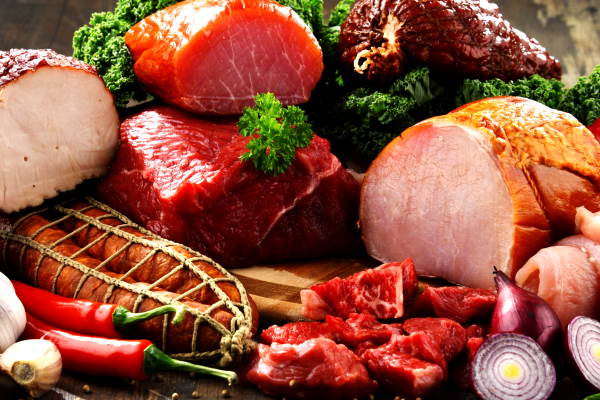
Can Babies Eat Meat?
Yes, from 6 months, and iron is the reason not to wait. A baby's own iron stores start running down at around six months, and meat and fish supply iron in the form the body absorbs best. Cook everything right through, slow cook it so it shreds, and check fish for bones and mercury.
 6m+Tunais a saltwater fish, one of the few
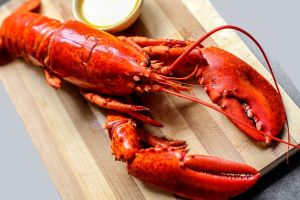 1y+Lobsteramong shrimps and clams can be given safely at
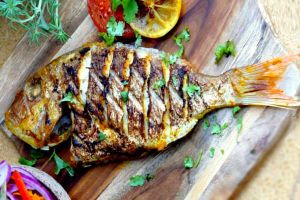 6m+Fishis healthy to your baby. Pay attention to
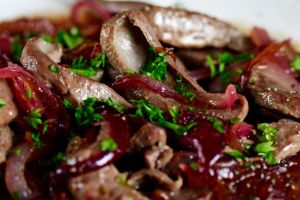 6m+Liveris an excellent source for iron and proteins
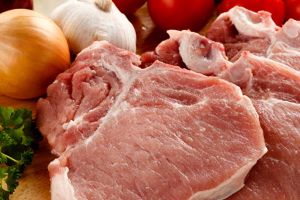 6m+Porkis the culinary definition for domestic pig meat
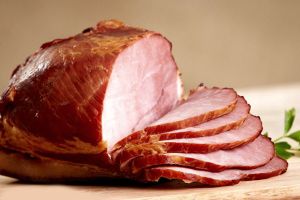 1y+Hambread, breadsticks, crackers are very salty foods
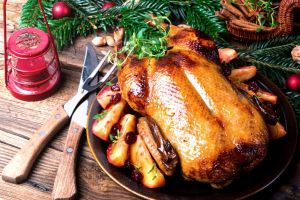 6m+Duckis the meat of different species of bird
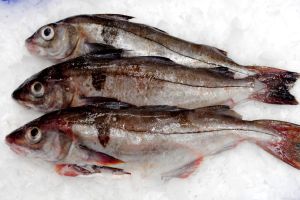 6m+Haddockis a good source for proteins. Babies need
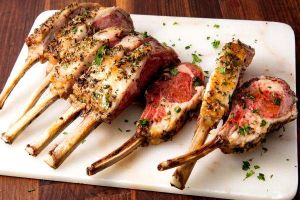 6m+Lambis not popular just for its meat, but also for
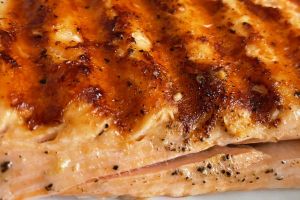 6m+Salmonis a very popular food, because it
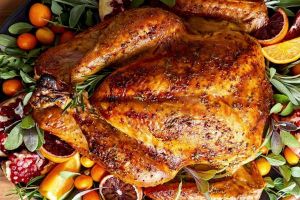 6m+Turkeyis the meat from domesticated or wild
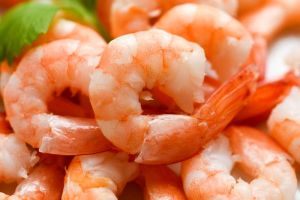 1y+Shrimpare widespread small crustaceans with
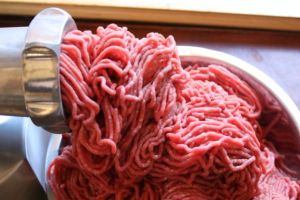 6m+Ground Beefcan be introduced at the age they start
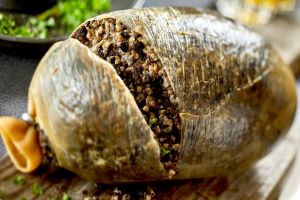 1y+Haggiscontains important organs like heart, liver and
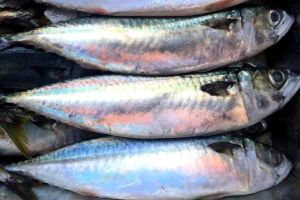 6m+Mackerelis commonly applied to a great number of species
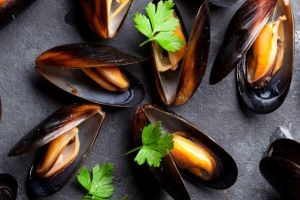 1y+Musselscan be steamed, boiled, smoked, roasted, barbecued
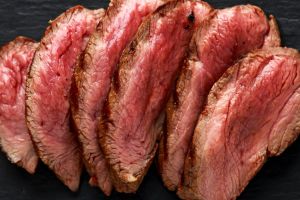 6m+Venisonwas the meat originating from a
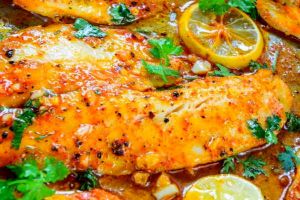 6m+Tilapiais the common name used for many freshwater
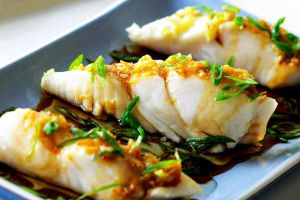 6m+Halibutare too high in mercury levels to be safely
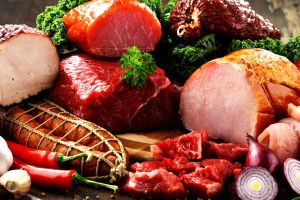 6m+Meatis animal flesh, consumed by humans as food
Why iron drives the timing
Babies are born with an iron store that lasts roughly six months. After that, breast milk alone does not supply enough, and iron becomes the nutrient most likely to fall short. Meat is the most efficient way to fix that, because heme iron from animal foods is absorbed several times better than the non-heme iron in plants.
There is a bonus effect too: eating meat at the same meal as plant iron improves absorption of the plant iron as well. A little beef mashed through lentils does more than either would alone. Our zinc guide covers the mineral that follows the same curve.
Serving meat and fish by age
Moisture and texture are what change:
Braised until it falls apart, then shredded finely and mashed into vegetables with cooking liquid. Lamb and venison both suit this treatment. Fish flaked with your fingers, checking every flake for bones.
Mince browned and simmered in a sauce is easy and reliable, which is what makes ground beef such a useful starting point. Soft shreds and large fish flakes make good finger food at this stage.
Whatever you are eating, cooked fully rather than pink and cut small. Sausages must be quartered lengthways, never sliced into coins.
Never serve meat or poultry pink to a baby: a steak or duck breast cooked rare is normal for adults and not appropriate for an infant, since undercooked meat can carry E. coli, campylobacter and salmonella, all of which hit small children hard. Cook until the juices run clear and no pink remains.
Fish and mercury
Fish is excellent for babies and worth aiming for twice a week, at least one of those an oily fish. The one thing to manage is mercury, which accumulates in large long lived predators:
| Tier | Fish | How often |
|---|---|---|
| Best choices | Salmon, haddock, cod, sardines, tilapia, trout, shrimp, Atlantic mackerel | Twice a week |
| Good choices | Halibut, snapper, canned albacore tuna | Once or twice a month |
| Avoid entirely | Shark, swordfish, marlin, king mackerel, tilefish, orange roughy, bigeye tuna | Never |
Note that Atlantic mackerel and king mackerel are different species with opposite advice. Source: U.S. Food and Drug Administration.
The ones with specific limits
Most meat and fish needs nothing beyond cooking through. A few carry their own rules:
Extra caution
Meat and fish FAQ
When should babies start eating meat?
From around 6 months, and there is a good reason not to delay. The iron stores a baby is born with start running down at about this age, and meat is the most absorbable source there is. Slow cook it until it shreds, then mash it into vegetables with plenty of cooking liquid.
Why is meat particularly good for babies?
Iron and zinc, in the forms the body absorbs best. Iron from meat, called heme iron, is taken up far more efficiently than iron from plants, and it also improves absorption of plant iron eaten at the same meal. Meat also supplies zinc, B12 and protein in a compact package.
How do I stop meat being too tough for a baby?
Cook it long and wet. Braising, casseroling and slow cooking break down the connective tissue that makes meat chewy, and the cooking liquid keeps it moist. Dry meat is the usual reason a baby refuses it. Mince is the other easy route, browned and then simmered in a sauce.
Which fish should babies avoid?
Shark, swordfish, marlin, king mackerel, tilefish, orange roughy and bigeye tuna, all of which are high in mercury. Stick to the best choices group: salmon, haddock, cod, sardines, tilapia, trout and shrimp. Our fish guide has the full three tier breakdown.
Sources
- Advice about Eating Fish, U.S. Food and Drug Administration.
- Feeding and Nutrition, American Academy of Pediatrics.
- FoodData Central, U.S. Department of Agriculture.
This article is general information, not medical advice. Every baby is different. Talk to your doctor, health visitor or paediatrician about your own baby, and about starting solids or any allergy concerns.