Can Babies Eat Mackerel?
Atlantic mackerel yes, from 6 months. King mackerel no, at any age in childhood. This is the one fish where the name genuinely matters. Atlantic and Pacific chub mackerel are small, low in mercury and packed with omega 3. King mackerel is a large warm water predator on the avoid entirely list. Same word, completely different answer.
Mackerel is one of the best things you can put in front of a baby, and it is also the fish most likely to trip people up, because two very different species share the name. Get the right one and you are giving your baby more omega 3 per spoonful than almost any other food. Get the wrong one and you are serving something regulators tell children to avoid completely.
Two fish, one name
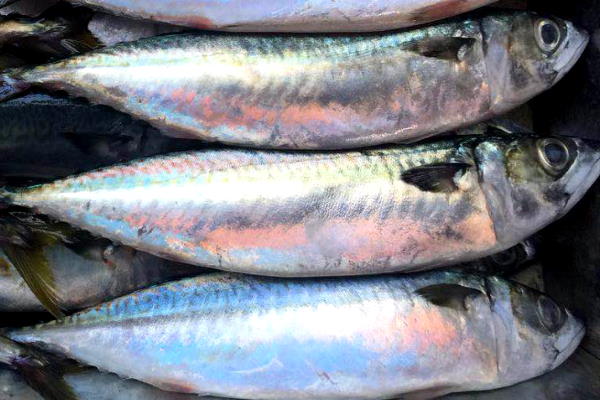
Atlantic mackerel is a small striped fish, usually 30 to 40 cm, that grows fast and does not live long. Pacific chub mackerel is similar. Both stay low in mercury for exactly that reason. King mackerel is a much larger tropical and subtropical predator that can exceed 1.5 metres and lives for years, concentrating mercury as it goes. Spanish mackerel sits somewhere in between.
In practice, almost all mackerel sold fresh or tinned in Britain and Europe is Atlantic mackerel, and king mackerel is mainly a concern in the United States and the Caribbean. Check the label, and see our fish guide for the full mercury tiers.
Mackerel nutrition
This is why mackerel is worth bothering with. The omega 3 figure is exceptional.
| Nutrient | Per 100 g |
|---|---|
| Energy | 205 kcal |
| Protein | 19 g |
| Fat | 14 g |
| Omega 3 (EPA and DHA) | 2.6 g |
| Vitamin D | 16 mcg |
| Vitamin B12 | 8.7 mcg |
| Selenium | 44 mcg |
Typical values for Atlantic mackerel. Source: USDA FoodData Central.
When can babies eat mackerel?
Fresh and tinned come in early. Smoked waits for the salt allowance to grow:
Flake it into potato or vegetable mash. Mackerel has a strong flavour, so mixing it with something mild helps the first few times. Offer it alone the first time, since fish is a major allergen.
Mackerel counts as your oily fish for the week. Aim for at least one oily fish serving weekly, which mackerel, salmon or sardines all cover.
Once the daily salt allowance reaches about 2 g, a small flake of smoked mackerel in a family dish is workable, as with smoked haddock. It is very salty, so keep the portion genuinely small.
Mackerel and histamine: mackerel, tuna and sardines produce histamine if they are not chilled properly after being caught, which causes scombroid poisoning, a reaction with flushing, rash and vomiting that is often mistaken for an allergy. Buy fresh looking fish from a shop with good turnover, keep it cold, and cook it the day you buy it.
Mackerel and potato mash
Potato and yogurt take the edge off the strong flavour, which makes this a good introduction:
Mackerel and potato mash
Makes 2 baby portions, from 6 monthsIngredients
- 1 small mackerel fillet, or half a tin in spring water
- 1 medium potato
- 1 tablespoon plain full fat yogurt
- A squeeze of lemon
Method
- Bake or grill the fresh mackerel for about 8 minutes, or drain the tinned fish well.
- Boil the potato until soft and mash it with the yogurt until smooth.
- Flake the mackerel on a plate with your fingers, pressing carefully to find any bones.
- Fold the fish through the mash with a squeeze of lemon, keeping it loose and moist, then cool before serving.
Risks and safety
Bones first. Mackerel has fine pin bones running through the fillet, so flake it on a plate with your fingers and press every piece. Tinned mackerel bones are soft enough to mash and are a good source of calcium, which is a bonus rather than a hazard. Raw preparations such as sushi are a separate question and wait until much later. Tinned salmon works the same way.
Fish is one of the major allergens, so introduce it alone and watch for hives, swelling, vomiting or rash within two hours, with emergency help for any breathing difficulty. And keep the species straight: the U.S. Food and Drug Administration lists Atlantic mackerel among its best choices and king mackerel among the fish to avoid entirely, which is an unusually large gap for two things sold under the same name.
Mackerel FAQ
Can babies eat mackerel?
Atlantic and Pacific chub mackerel yes, from around 6 months. They are low in mercury and among the richest sources of omega 3 you can buy. King mackerel is a different species entirely, it is high in mercury, and it should not be given to young children at all.
What is the difference between Atlantic mackerel and king mackerel?
They are different species despite the shared name. Atlantic mackerel is a small, fast growing fish on the best choices list. King mackerel is a large, long lived predator from warmer waters that accumulates a lot of mercury and appears on the avoid entirely list. Check the label, not just the word mackerel.
Is tinned mackerel good for babies?
Yes, and it is one of the easiest ways to serve it. Choose tins in spring water or olive oil rather than brine or sauce, drain it well, and mash the soft bones in for extra calcium. Check the salt content on the label, since some tins are heavily salted.
Can babies eat smoked mackerel?
Better to wait until after 12 months, and keep it small. Smoked mackerel is cured with a lot of salt, and babies under one should have less than 1 g of salt a day in total. Fresh or tinned plain mackerel gives you the same omega 3 without the salt load.
Sources
- Mackerel, Wikipedia.
- Advice about Eating Fish, U.S. Food and Drug Administration.
- FoodData Central, U.S. Department of Agriculture.
This article is general information, not medical advice. Every baby is different. Talk to your doctor, health visitor or paediatrician about your own baby, and about starting solids or any allergy concerns.