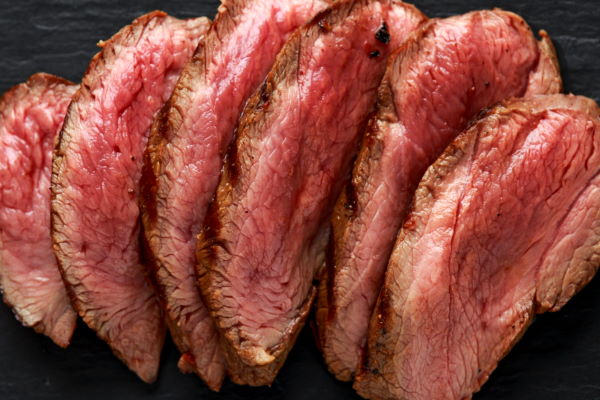
Can Babies Eat Venison?
Yes, from 6 months, and it is one of the best iron sources going. Venison is leaner than beef and carries more iron, which matters a lot once a baby's own stores start running low. The one thing worth knowing, and it is not widely discussed, is lead shot in wild game. Farmed venison sidesteps it entirely.
Iron is the nutrient most likely to fall short in the second half of a baby's first year, because the stores they were born with run down around six months and breast milk is low in it. Red meat is the most absorbable source, and venison is at the top of that list. It is worth knowing about even if you only cook it occasionally.
What is venison?
Venison is deer meat, either farmed or wild. It is dark red, closer grained than beef, and noticeably leaner, with a mild gamey flavour that varies with the animal's diet and age. Farmed venison is milder and more consistent; wild venison has more character and is where the lead question arises.
Our ground beef and lamb pages cover the more everyday red meats, which carry the same iron benefit without the lead consideration.
Venison nutrition
Compare the iron and fat rows against beef to see why it stands out:
| Per 100 g cooked | Venison | Lean beef |
|---|---|---|
| Energy | 158 kcal | 217 kcal |
| Protein | 30 g | 26 g |
| Fat | 3.2 g | 11 g |
| Iron | 4.5 mg | 2.6 mg |
| Zinc | 2.8 mg | 4.8 mg |
| Vitamin B12 | 2.7 mcg | 2.1 mcg |
Typical values for cooked venison and lean beef. Source: USDA FoodData Central.
Serving venison by age
Slow cooking is the technique that matters, at every stage:
Casseroled until it falls apart, then shredded finely and mashed into vegetables with plenty of cooking liquid to keep it moist.
Venison mince browned and simmered in a tomato sauce works well, and soft shreds become good finger food at this stage.
Whatever you are eating, cooked right through rather than pink, and cut small. Still avoid frequent wild game if it was shot with lead, which applies to wild duck as much as to deer.
Ask how the deer was shot: lead ammunition fragments on impact, and pieces far too small to see or feel spread through the surrounding meat. Removing the visible wound area does not reliably remove them. Lead affects the developing nervous system and there is no known safe level for children. Farmed venison, or wild game taken with copper or steel ammunition, avoids the question entirely.
Slow cooked venison and root vegetables
Long and low is the only reliable way to keep venison tender:
Slow cooked venison and root vegetable mash
Makes 4 baby portions, from 6 monthsIngredients
- 200 g diced venison shoulder
- 1 carrot, chopped
- 1 small parsnip, chopped
- 1 teaspoon olive oil
- 300 ml water or no salt stock
- A sprig of thyme
Method
- Brown the venison in the olive oil, then add the vegetables and thyme.
- Pour in the liquid, cover, and simmer very gently for 90 minutes until the meat shreds with a fork.
- Remove the thyme, then shred the meat finely and mash it with the vegetables.
- Loosen with cooking liquid until soft and moist, and cool before serving.
Risks and safety
Lead is the distinctive risk and it applies only to wild shot game, as above. It is worth taking seriously for a baby, since lead exposure in early childhood is linked to effects on cognitive development, and agencies including the Food Standards Agency advise children to minimise consumption of lead-shot game. Offal dishes such as haggis raise a separate question about vitamin A.
The rest is standard meat safety. Cook venison through rather than pink, since undercooked meat can carry E. coli and other pathogens a baby handles poorly. Because it is so lean it dries out fast, and dry meat is genuinely hard for a baby to swallow, so keep it moist and shred it finely. Meat allergy is rare. Finally, if you are given wild venison, check for shot fragments by hand as you would for fish bones.
Venison FAQ
Can babies eat venison?
Yes, from around 6 months. Venison is very lean and one of the richest sources of iron in any meat, which suits a baby well once their own iron stores start running down. Cook it through, keep it moist since it dries out easily, and shred or mince it finely.
Is lead shot in venison a risk for babies?
It can be, in wild game shot with lead ammunition. Fragments too small to see can spread through the meat, and lead affects the developing nervous system. Food safety agencies advise that children and pregnant women minimise how often they eat lead-shot game. Farmed venison and game shot with non-lead ammunition avoid the issue.
How do I cook venison so it is not tough?
Venison is much leaner than beef, so it goes dry and tough quickly at high heat. For a baby, slow cook it in a casserole with liquid until it shreds easily, or use venison mince browned and then simmered in a sauce. Avoid roasting it pink, since babies need meat cooked right through.
Is venison better than beef for babies?
It is leaner and typically higher in iron, so per bite it is nutritionally excellent. Beef is easier to buy, easier to cook without drying out and carries no lead question. Both are good. If you have access to venison, using it now and then rather than weekly is a sensible balance.
Sources
- Venison, Wikipedia.
- Food Standards Agency, food safety guidance.
- FoodData Central, U.S. Department of Agriculture.
This article is general information, not medical advice. Every baby is different. Talk to your doctor, health visitor or paediatrician about your own baby, and about starting solids or any allergy concerns.