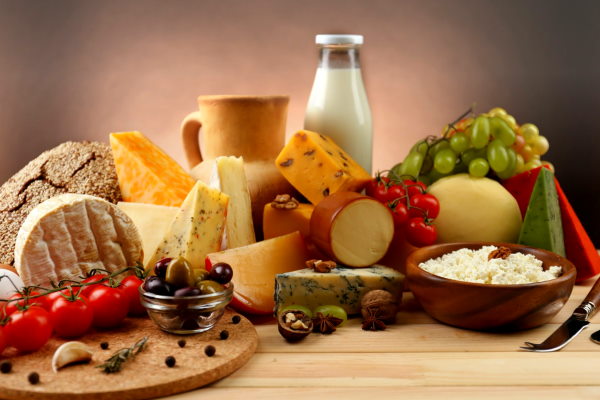
Can Babies Eat Dairy?
In food from 6 months. As a main drink from 12 months. This is the single most misunderstood rule in weaning, and it is simpler than it sounds. Yogurt, cheese and milk cooked into food are all fine early. What waits a year is a cup or bottle of cow's milk replacing a milk feed, because it is low in iron.
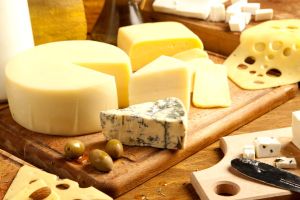 6m+Cheesecheese as soon as they start eating solids
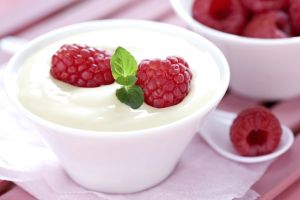 6m+Yogurtis made by the bacterial fermentation of
 2y+Ice Creamis a good pain-relieving mixture of pears, baby formula
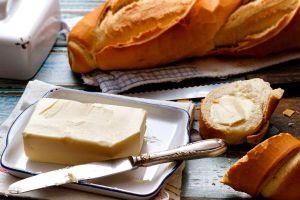 7m+Butteris saturated fat and cholesterol should not
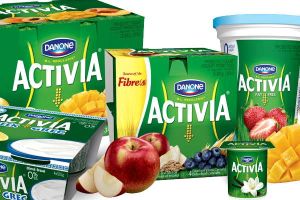 6m+Activiais a brand of yogurt owned and managed by
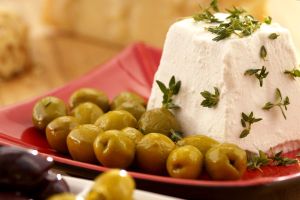 6m+Fetacheese is high in calories, fats, protein
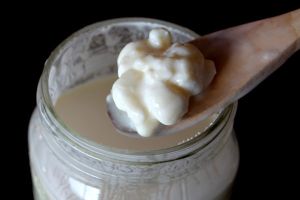 6m+Kefiralso known as kephir is a fermented milk drink, which
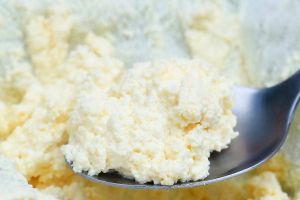 6m+Ricottais a whey cheese prepared from cow
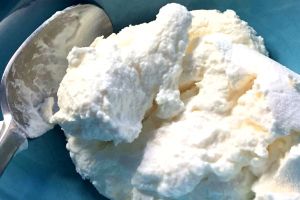 6m+Quarkalso called quarg is a type of fresh
 2y+Yakultis a Japanese sweetened probiotic milk
 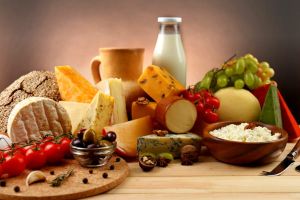 6m+Dairyproducts to your baby as soon as he/she
Food or drink, and why it matters
Cow's milk is not harmful to a baby. The reason it is held back as a main drink is that it contains very little iron, and drinking it in quantity both displaces breast milk or formula and can reduce absorption of iron from other foods. A baby drinking cow's milk instead of formula from nine months is at real risk of iron deficiency.
None of that applies to a few tablespoons of yogurt, a little cheese or a branded pot such as Activia in a meal, which is why those come in at six months alongside everything else. Our yogurt and cheese pages cover each in detail.
The dairy timeline
Three stages, and the middle one is where most confusion sits:
No other milk, no yogurt, no cheese. Cow's milk formula is of course fine, since it is modified to suit an infant.
Plain full fat yogurt, mild cheese, milk in a sauce or on cereal. Soft fresh cheeses such as ricotta and quark are the gentlest way in. Milk is a major allergen, so introduce it on its own the first time.
Full fat cow's milk can now be the main drink, and sweetened drinks such as Yakult still are not a substitute for it. Stay on whole milk until at least 2 years, then semi skimmed is an option if they are growing well.
Avoid unpasteurised dairy entirely: raw milk and cheeses made from it can carry listeria, salmonella and E. coli, and a baby has little reserve for any of them. The same applies to salty brined cheeses such as feta, and to mould ripened soft cheeses such as brie, camembert and blue cheese under 12 months, even when pasteurised, because their moisture and low acidity suit listeria.
Choosing dairy for a baby
Two label checks cover most of it:
Good choices
Leave until later
- Cow's milk as a main drink, under 12 months
- Low fat and zero fat dairy, under 2 years
- Unpasteurised milk and cheese, at any age
- Brie, camembert and blue cheese, under 12 months
- Flavoured yogurts and drinking yogurts, because of sugar
- Very salty cheeses like feta, under 12 months
Allergy and intolerance
Cow's milk protein is one of the most common allergens in infancy, and it is also one of the most commonly outgrown, with most children growing out of it by school age. Signs include rash or hives, vomiting, diarrhoea, blood or mucus in stools, reflux, poor weight gain and eczema that will not settle. If you suspect it, speak to your doctor rather than removing dairy on your own, since a restricted diet in infancy needs planning.
Lactose intolerance is a different thing and is genuinely rare in babies, since they are built to digest lactose. Temporary lactose intolerance sometimes follows a bad stomach bug, and very sweet dairy such as ice cream is the least helpful thing at that point. It resolves in a few weeks. If your family avoids dairy entirely, our vegan weaning page covers calcium, iodine and B12.
Dairy FAQ
When can babies have dairy?
Dairy in food, such as yogurt, cheese and milk cooked into a sauce, is fine from around 6 months. What waits until 12 months is cow's milk as a main drink, because it is low in iron and would displace breast milk or formula. That distinction between food and drink is the whole rule.
Why can babies have yogurt but not cow's milk?
Because of what it replaces rather than what it contains. A bowl of yogurt sits alongside milk feeds; a bottle of cow's milk replaces one. Cow's milk is low in iron and can reduce iron absorption, so relying on it as the main drink before 12 months risks iron deficiency.
Should babies have full fat or low fat dairy?
Full fat, until at least 2 years. Babies need a high proportion of their energy from fat for growth and brain development, so low fat and zero fat products are the wrong choice at this age. Look for plain full fat yogurt rather than anything marketed as light.
Which cheeses are safe for babies?
Pasteurised hard cheeses like mild cheddar, plus mozzarella, cream cheese and ricotta, all in small amounts because cheese is salty. Avoid unpasteurised cheese and mould ripened soft cheeses such as brie, camembert and blue cheese under 12 months because of listeria risk.
Sources
- Weaning and feeding, NHS.
- Feeding and Nutrition, American Academy of Pediatrics.
- FoodData Central, U.S. Department of Agriculture.
This article is general information, not medical advice. Every baby is different. Talk to your doctor, health visitor or paediatrician about your own baby, and about starting solids or any allergy concerns.