Can Babies Eat Butter?
Yes, in small amounts. A little butter is fine from around 7 months, for cooking or to make food softer and tastier. Pick unsalted, keep it modest, and think of it as a finishing touch rather than a main ingredient. Babies do need fat, and this is one easy way to add a bit.
Butter is not really a food you serve on its own, and nobody is spooning it into a bowl. But it earns its place in baby cooking. A little unsalted butter makes a mash creamier, helps the body take up certain vitamins, and adds the kind of energy small tummies need. The whole story here is two words: small and unsalted.
What is butter?
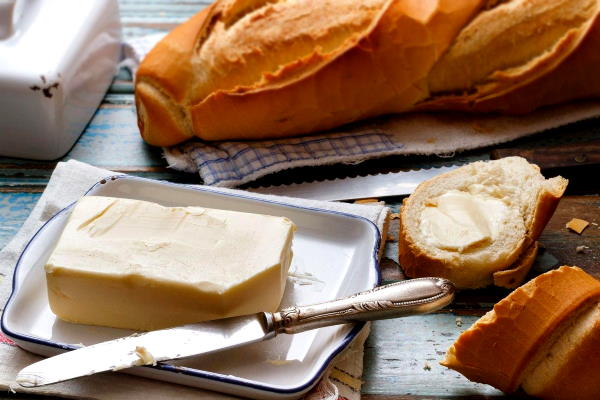
Butter is a dairy product made by churning cream until the fat separates out. It is roughly four-fifths fat, which is why it is used in small amounts. It comes salted or unsalted, and for babies the unsalted version is the one to reach for.
Butter is best as a helper. Melt a little into a vegetable mash, or use it to soften oatmeal, and spread a thin scrape on toast fingers once your baby is on finger foods.
Butter nutrition for babies
Butter is almost all fat, which is where its energy comes from. It carries some fat-soluble vitamin A too.
| Nutrient | Per 100 g |
|---|---|
| Energy | 717 kcal |
| Fat | 81 g |
| of which saturated | 51 g |
| Protein | 0.9 g |
| Vitamin A | 684 mcg |
Typical values for butter. A baby only has a small knob at a time. Source: USDA FoodData Central.
When can babies eat butter?
Small amounts of unsalted butter suit babies from around 7 months, mostly as part of cooking:
Stir a small knob of unsalted butter into a vegetable mash or porridge to add creaminess and energy.
Spread a thin scrape of unsalted butter on toast fingers or soft pancakes.
Butter fits into family meals and baking now. Keep an eye on the total salt across the day.
Tip: a knob of unsalted butter is a simple way to boost the energy in a baby meal without adding bulk, which is handy for smaller eaters who fill up fast.
Health benefits of butter for babies
Energy
Its concentrated fat gives babies energy in a small amount, useful during a period of fast growth.
Vitamin A
Butter carries a little fat-soluble vitamin A, which supports healthy eyes and skin.
Makes food nicer
A little butter makes mashes creamier and food more appealing, which can help a fussy eater.
Butter shines as a background player. Melt it into mash, or use it to gently cook soft vegetables and mild flavour bases like onion.
How to serve butter safely
Do
- Choose unsalted butter.
- Use small amounts in cooking.
- Spread it thinly on finger foods.
- Watch total salt across the whole day.
Avoid
- Salted butter as an everyday choice.
- Thick spreads of butter.
- Using butter as a main food.
- Butter on already-salty foods.
Risks and safety
Butter is a dairy food, so cow's milk allergy is the thing to be aware of, though butter is very low in milk protein. Otherwise the main point is simply moderation: it is high in saturated fat and, if salted, in salt, so keep it small and unsalted.
Salt: the NHS advises babies have very little salt, so choose unsalted butter and keep an eye on salt from all foods across the day.
Easy butter recipe idea (7 months)
Buttery vegetable mash for baby
Makes 3 baby portions, from 7 monthsIngredients
- 1 potato and 1 carrot, diced
- A small knob of unsalted butter
- A splash of milk or unsalted stock
Method
- Steam or boil the potato and carrot until soft.
- Mash them with a small knob of unsalted butter and a splash of milk until smooth and creamy.
- Cool to a safe temperature before serving.
Butter FAQ
When can babies eat butter?
Babies can have small amounts of butter from around 7 months, used in cooking or to add flavour and softness to food. Choose unsalted butter, since salted butter adds salt a baby does not need.
Is butter healthy for babies?
In small amounts, butter is fine. Babies need plenty of fat for energy and brain growth, and a little butter helps. It is high in saturated fat though, so use it as a flavour, not the main event.
Salted or unsalted butter for babies?
Unsalted. Babies need very little salt, and salted butter adds up quickly if you use it often. Unsalted butter gives you the same flavour and softness without the salt.
Can babies have butter on toast?
Yes, a thin scrape of unsalted butter on a toast finger is fine once your baby is on finger foods. Keep it thin, and pair it with lower-salt bread.
Sources
- Butter, Wikipedia.
- FoodData Central, U.S. Department of Agriculture.
- Weaning and feeding, National Health Service (UK).
This article is general information, not medical advice. Every baby is different. Talk to your doctor, health visitor or paediatrician about your own baby, and about starting solids or any allergy concerns.