Can Babies Eat Apricots?
Yes. Ripe apricots are a lovely early food from around 6 months. They're soft, a little tart, and they mash in seconds. Fresh is the easiest place to start. Dried apricots are handy in the changing bag, but chop them small, because they're sticky and a choking risk.
Apricots almost seem built for babies. Soft, sweet, a little tangy. No cooking needed once they're ripe. There's only one thing to keep an eye on, and it's the dried ones, which we'll come to in a minute. Fresh blackberries are just as little work at the same age.
What is an apricot?
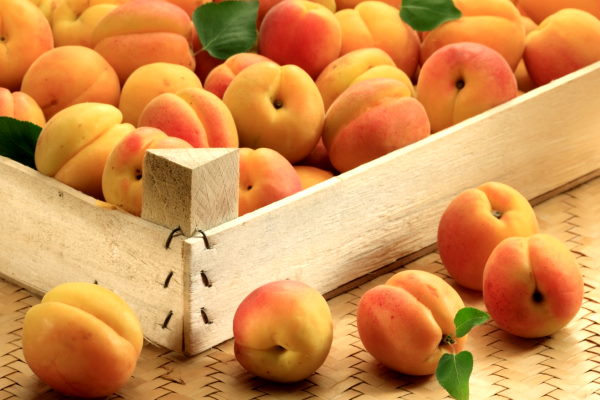
An apricot is a small orange stone fruit, a close cousin of the peach and the plum. Ripe ones are soft with a gentle tartness. You can eat them fresh or dried, and the dried version is much sweeter and chewier.
That gentle tartness plays nicely with sweeter, creamier foods. Swirl apricot puree into oatmeal, or mash it with banana if your baby pulls a face at the tang.
Apricot nutrition for babies
Apricots bring vitamin A, a bit of vitamin C, potassium and fibre, all for very few calories.
| Nutrient | Per 100 g (fresh) |
|---|---|
| Energy | 48 kcal |
| Carbohydrate | 11 g |
| of which sugars | 9 g |
| Fibre | 2 g |
| Protein | 1.4 g |
| Vitamin A | 96 mcg |
| Potassium | 259 mg |
Typical values for fresh apricot. Source: USDA FoodData Central.
When can babies eat apricots?
Fresh apricots can start from around 6 months. The texture you serve just shifts as your baby gets more confident:
Peel very ripe apricot, then mash or puree it. A soft peeled half, stone removed, also makes a good thing to gnaw on.
Once the pincer grasp shows up, offer small pieces of soft fresh apricot. Finely chopped soaked dried apricot works here too.
Toddlers can handle chopped fresh apricot and small pieces of dried. Keep the dried ones small, and keep them a sometimes food, which is the same rule that applies to raisins.
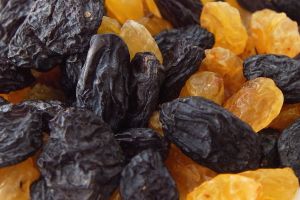
Dried apricots: they look innocent, but whole or large dried apricots are sticky and a real choking risk. Soak them, chop them small, and never hand your baby a whole one to hold.
Health benefits of apricots for babies
Vitamin A
Apricots are a good source of vitamin A, which your baby's eyes, skin and growth all rely on.
Gentle on the tummy
The fibre and natural sorbitol give a mild laxative nudge, which is handy if things have slowed down.
Potassium
There's a decent hit of potassium in here too, which the body uses for healthy muscles and nerves.
Apricot has a bright flavour that lifts blander foods. Try it stirred through a spoon of yogurt, or blended with mango for a sunny, no-cook fruit mix. Ripe figs mash into the same kind of bowl.
How to serve apricots safely
Do
- Use ripe, soft fresh apricots.
- Peel them for young babies.
- Soak and finely chop any dried apricots.
- Take the stone out every single time.
Avoid
- Whole or large dried apricots.
- Firm, under-ripe fruit.
- Adding sugar to something already sweet.
- Leaving your baby to eat on their own.
Risks and safety
Fresh apricot is soft and easy going. The two things worth remembering are the stone, which always comes out, and dried apricots, which turn into a sticky choking risk if they're too big. A true allergy is rare, though the fruit acids can leave a harmless red patch on some babies' cheeks.
New to solids? Bring apricot in on its own and give it a day or two before the next new food. If you're not sure your baby is ready to start solids, the American Academy of Pediatrics lists the signs to look for.
Easy apricot recipe (6 months)
Simple apricot puree for baby
Makes 2 baby portions, from 6 monthsIngredients
- 4 ripe fresh apricots, or 1/2 cup dried apricots
- 2 tbsp water
Method
- Wash the fresh apricots, halve them and remove the stones. If you are using dried apricots, soak them in warm water until soft.
- Simmer the apricots in a little water for a few minutes until they are very soft.
- Blend or mash to a smooth puree, let it cool, and loosen with water or your baby's usual milk if needed.
Apricot FAQ
When can babies eat apricots?
Fresh, ripe apricots work from around 6 months, mashed or in soft pieces. Dried apricots are fine too, but soak them soft and chop them small, since they are sticky and a choking risk.
Are dried apricots safe for babies?
In small, soft, finely chopped pieces, yes. Whole or large dried apricots are a choking hazard, and they are high in sugar, so keep them as an occasional treat and stay close while your baby eats.
Do apricots help with constipation?
They can. Apricots have fibre and sorbitol, which has a gentle laxative effect, so pureed apricot is a common pick when a baby is a bit backed up. Bring it in slowly.
Can apricots cause an allergy?
A true apricot allergy is uncommon. Once in a while a baby gets a mild rash around the mouth from the fruit acids, and that usually fades. Offer it on its own the first time and watch how your baby does.
Sources
- Apricot, Wikipedia.
- FoodData Central, U.S. Department of Agriculture.
- Starting Solid Foods, American Academy of Pediatrics.
This article is general information, not medical advice. Every baby is different. Talk to your doctor, health visitor or paediatrician about your own baby, and about starting solids or any allergy concerns.