Can Babies Eat Blueberries?
Yes. Babies can have blueberries from around 6 months, but squash or mash them first. Whole blueberries are round and firm, so they are a choking risk. Blueberries are low on the allergy scale and rich in vitamin C.
Blueberries are small, sweet and full of nutrients, which is why they are a favourite for baby meals. The one thing to remember is their shape, so squash or mash them before serving. This guide covers when to start, how to serve them and a quick recipe. If your baby takes to them, apricots are an easy next fruit at the same age.
What is a blueberry?
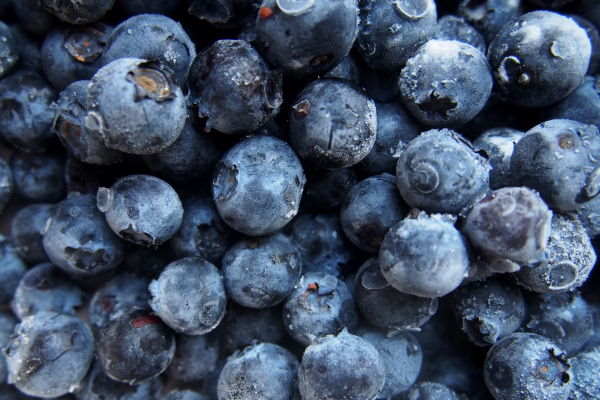
A blueberry is a small, round, blue-purple berry that grows on a shrub. Blueberries are sweet with a slight tang and are eaten fresh, cooked and dried. Their deep colour comes from natural plant pigments.
Blueberries have a gentle sweetness that works in many baby meals. Stir squashed berries into oatmeal, or mash them with banana for a simple no-cook meal.
Blueberry nutrition for babies
Blueberries give vitamin C, vitamin K and fibre, with natural antioxidants.
| Nutrient | Per 100 g (raw) |
|---|---|
| Energy | 57 kcal |
| Carbohydrate | 14.5 g |
| of which sugars | 10.0 g |
| Fibre | 2.4 g |
| Protein | 0.7 g |
| Vitamin C | 9.7 mg |
| Vitamin K | 19.3 mcg |
Values for raw blueberries. Source: USDA FoodData Central.
When can babies eat blueberries?
Blueberries can start from around 6 months. Because of their shape, keep preparing them carefully well into toddlerhood:
Squash each blueberry so no whole berries are left, or stir mashed berries into puree or oatmeal.
Halve or quarter the berries. Flattening them slightly makes them easier and safer to pick up.
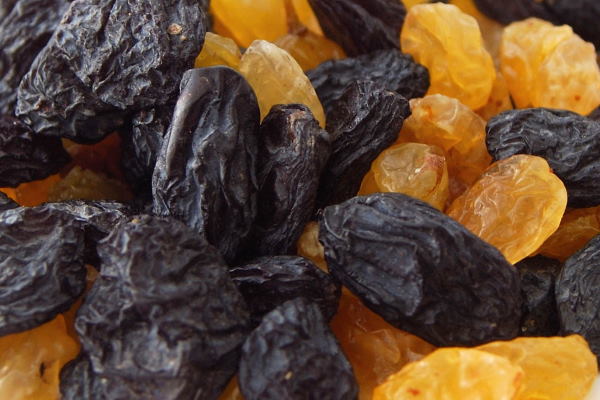
Keep halving blueberries until your child chews well and confidently, usually well after the first birthday. Dried fruit such as raisins needs that care for longer still.
Choking: whole blueberries are a common choking hazard. Squash, halve or quarter them for babies and toddlers, and always stay with your baby while they eat.
Health benefits of blueberries for babies
Vitamin C
Blueberries provide vitamin C, which supports the immune system and helps iron absorption.
Fibre
The fibre in blueberries supports digestion and helps keep bowel movements regular.
Antioxidants
The deep colour comes from anthocyanins, natural plant compounds that act as antioxidants.
Blueberries mix into almost any baby breakfast. Fold them through yogurt, or blend them with other soft berries such as strawberries or blackberries.
How to serve blueberries safely
Do
- Wash blueberries well before serving.
- Squash or mash them for young babies.
- Halve or quarter them for older babies.
- Use soft, ripe berries.
Avoid
- Whole blueberries for babies and young toddlers.
- Dried blueberries, which are firm and sticky.
- Adding sugar or syrup.
- Leaving your baby to eat alone.
Risks and safety
Blueberries are low on the allergy scale, so the main thing to manage is their shape. Squashing or halving them removes the choking risk. Do not worry if you see blue or dark stools afterwards, since that is normal. Figs can colour a nappy the same way without anything being wrong.
Balanced meals: the World Health Organization advises offering a variety of safe, nutritious foods from 6 months alongside continued breastfeeding, so serve blueberries as part of a mix of foods.
Easy blueberry recipe (6 months)
Blueberry and oat baby mash
Makes 2 baby portions, from 6 monthsIngredients
- 2 tbsp blueberries
- 3 tbsp cooked oatmeal
- 1 tbsp milk or water
Method
- Squash the blueberries with a fork so there are no whole berries left.
- Warm them gently in a small pan for a minute until they soften and release their juice.
- Stir the blueberries through the cooked oatmeal, loosen with milk or water, then cool before serving.
Blueberry FAQ
When can babies eat blueberries?
Babies can have blueberries from around 6 months. Squash or mash them first, because whole blueberries are round and firm and can be a choking risk.
Are whole blueberries a choking hazard?
Yes. Whole blueberries are the right size and shape to block a small airway. Squash, halve or quarter them for babies and young toddlers until your child chews well.
Do blueberries stain or change nappies?
Blueberries can turn stools dark or greenish and sometimes pass through partly whole, which is normal. Mashing them helps your baby digest more of the fruit.
Are blueberries good for babies?
Yes. Blueberries give vitamin C, fibre and natural plant compounds called antioxidants. They are low on the allergy scale and most babies enjoy their mild sweetness.
Sources
- Blueberry, Wikipedia.
- FoodData Central, U.S. Department of Agriculture.
- Infant and young child feeding, World Health Organization.
This article is general information, not medical advice. Every baby is different. Talk to your doctor, health visitor or paediatrician about your own baby, and about starting solids or any allergy concerns.