Can Babies Eat Yogurt?
Yes. Babies can have plain whole milk yogurt from around 6 months. Choose full-fat, unsweetened yogurt and add your own fruit for sweetness. Dairy foods like yogurt are fine in meals from 6 months, even though cow's milk as a main drink waits until 12 months.
Yogurt is one of the easiest dairy foods to give a baby. It is smooth, needs no cooking and carries calcium and protein. The main choice is which pot to buy, because many baby yogurts are high in sugar. This guide covers when to start, what to look for and a quick recipe.
What is yogurt?
Yogurt is made by adding friendly bacteria to milk, which thickens it and gives it a mild, tangy taste. Plain whole milk yogurt is the best choice for babies. Greek yogurt is a thicker, strained version that also works well.
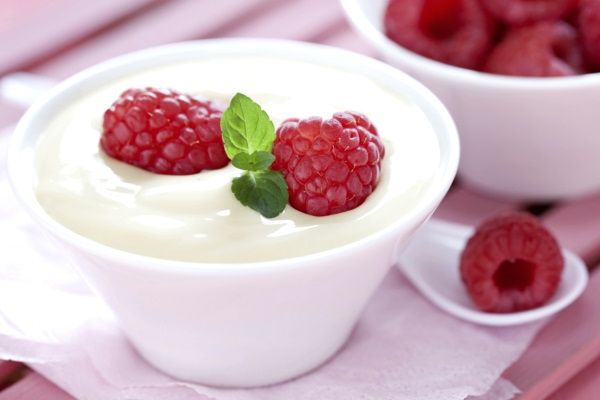
Plain yogurt is a blank base you can flavour yourself. Stir in squashed blueberries, mashed banana, or a spoon of fruit puree for a quick, no-cook meal.
Yogurt nutrition for babies
Yogurt gives protein, fat for energy and calcium for growing bones.
| Nutrient | Per 100 g (plain, whole milk) |
|---|---|
| Energy | 61 kcal |
| Protein | 3.5 g |
| Fat | 3.3 g |
| Carbohydrate | 4.7 g |
| of which sugars | 4.7 g |
| Calcium | 121 mg |
Values for plain whole milk yogurt. The sugar here is natural milk sugar, not added sugar. Source: USDA FoodData Central.
When can babies eat yogurt?
Yogurt can start from around 6 months. It stays useful right through the first year and beyond:
Offer a few spoonfuls of plain whole milk yogurt, on its own or stirred with a little fruit puree.
A thick yogurt like Greek yogurt is good for early spoon practice, since it stays on the spoon better.
Yogurt fits into breakfasts, snacks and dips. Keep choosing plain and adding your own fruit.
Tip: many yogurts sold for babies and children are high in added sugar. Check the label and pick plain, unsweetened pots, then sweeten them at home with mashed or pureed fruit.
Health benefits of yogurt for babies
Calcium
Yogurt is a good source of calcium, which babies need to build strong bones and teeth.
Protein
The protein in yogurt supports steady growth during a fast period of development.
Smooth and easy
Yogurt is soft and easy to eat, which makes it a simple food for babies learning to use a spoon.
Yogurt is a handy way to add creaminess to other meals. Swirl it into warm oatmeal, or mix it with sharper fruit such as strawberries. Ricotta does a similar job in savoury meals.
How to serve yogurt safely
Do
- Choose plain, full-fat, unsweetened yogurt.
- Add your own fruit for sweetness.
- Serve it cool, straight from the fridge or slightly warmed.
- Keep opened pots covered in the fridge.
Avoid
- Sugary or flavoured baby yogurts.
- Low-fat yogurt, since babies need the fat.
- Cow's milk as a main drink before 12 months.
- Adding honey before 12 months.
Risks and safety
Plain yogurt is soft and low on the choking scale. The main things to watch are added sugar in many pots and cow's milk allergy. If your baby has reacted to dairy before, or you are worried about a milk allergy, check with your doctor first.
Dairy and milk: yogurt is fine in meals from 6 months, but the NHS advises waiting until 12 months before giving cow's milk as a main drink.
Easy yogurt recipe (6 months)
Fruit and yogurt for baby
Makes 1 to 2 baby portions, from 6 monthsIngredients
- 3 tbsp plain whole milk yogurt
- 1 tbsp fruit puree, such as pear, banana or berry
Method
- Spoon the plain yogurt into a bowl.
- Stir the fruit puree through it until mixed.
- Serve straight away, and keep any leftovers in the fridge.
Yogurt FAQ
When can babies eat yogurt?
Babies can have plain whole milk yogurt from around 6 months. Yogurt and other dairy foods are fine in meals from 6 months, even though cow's milk as a main drink waits until 12 months.
What yogurt is best for babies?
Choose plain, unsweetened, full-fat yogurt. Babies need the fat for energy, and plain pots avoid the added sugar found in many flavoured baby yogurts. Add your own fruit puree for sweetness.
Can babies have yogurt if they cannot drink cow's milk?
Cow's milk allergy is possible, and yogurt is made from milk. If your baby reacts to dairy, or has had a milk allergy, talk to your doctor before giving yogurt.
How much yogurt can a baby have?
A few spoonfuls as part of a meal or snack is plenty for a young baby. Yogurt is one of several dairy foods your baby can have across the day, so there is no need to overdo it.
Sources
- Yogurt, Wikipedia.
- FoodData Central, U.S. Department of Agriculture.
- Weaning and feeding, National Health Service (UK).
This article is general information, not medical advice. Every baby is different. Talk to your doctor, health visitor or paediatrician about your own baby, and about starting solids or any allergy concerns.