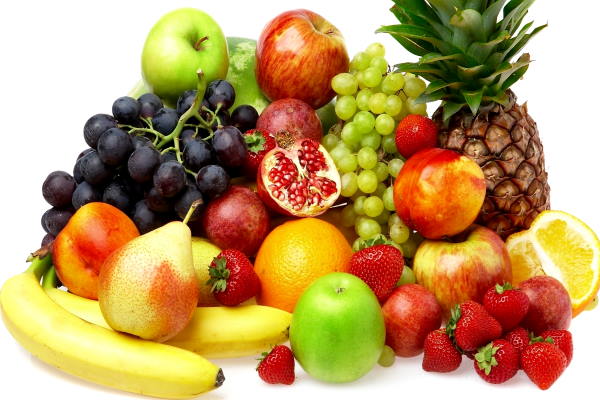
Can Babies Eat Fruits?
Most soft fruit works from 6 months. Fruit is where a lot of babies start, and for good reason: it needs little preparation, it is naturally sweet, and the vitamin C helps them absorb iron from other foods at the same meal. The things to watch are shape rather than the fruit itself, since round firm pieces need halving.
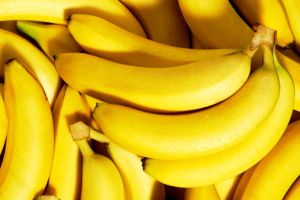 6m+Bananais excellent first food for babies, starting
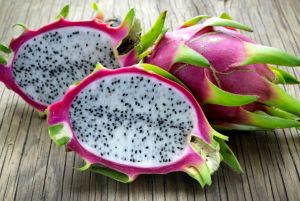 6m+Dragon Fruitis often compared to kiwi
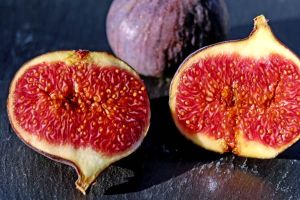 6m+Figsare high in sugar especially the dried
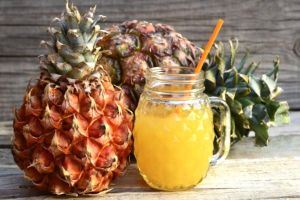 6m+Pineappleis the edible fruit of the tropical plant
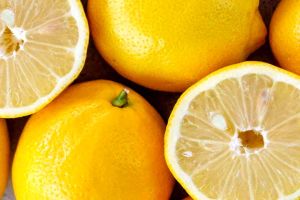 6m+Lemonsare sour, but you can trick your baby to
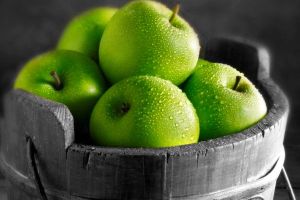 6m+Applesrecommended as first foods for babies
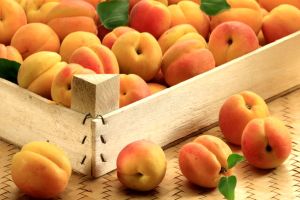 6m+Apricotsare very nutritious and low in calories
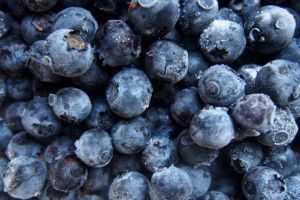 6m+Blueberriesare considered to be superfood, highly
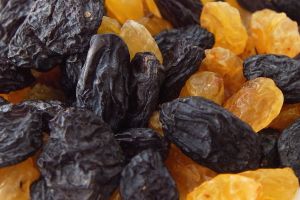 6m+Raisinsare dried grapes and can have different
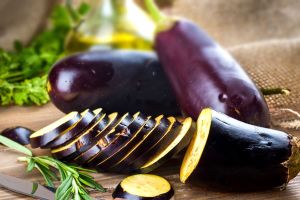 9m+Eggplantare rich in calories, carbs, fiber, folate
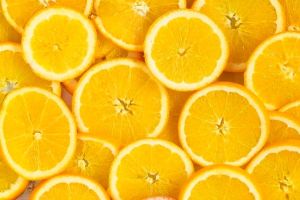 1y+Orangesare the fruits of several citrus species
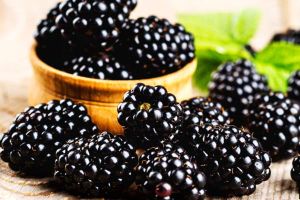 6m+Blackberrieshelp digestion, keeping
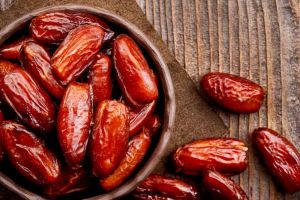 6m+Datesare usually consumed out-of-hand, or are
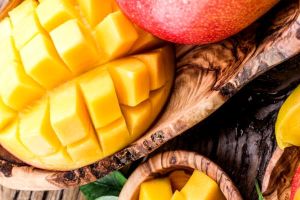 6m+Mangois essential for brain development, and promote
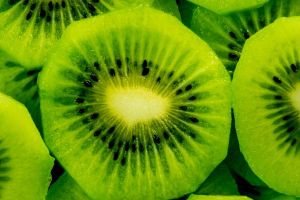 10m+Kiwior kiwifruit can be introduced at the age of
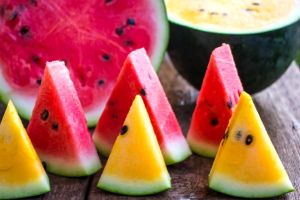 8m+Meloncan be introduced into a baby’s diet starting at
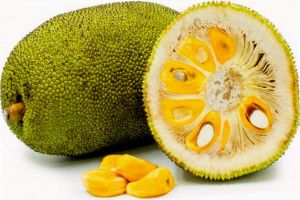 8m+Jackfruitflesh must be removed and the fruit itself must be
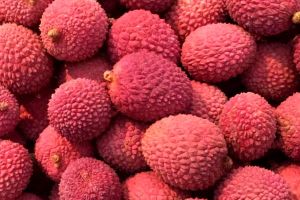 6m+Lycheerepresent a good source of dietary fibers
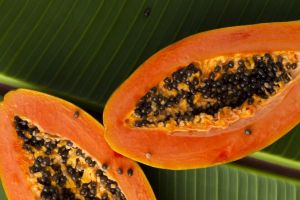 6m+Papayaalso called papaw or pawpaw is the fruit of
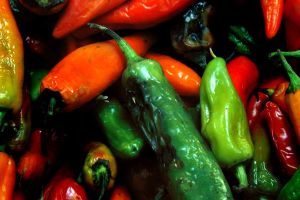 1y+Jalapenosor chili peppers into babies’ diets, some say it is
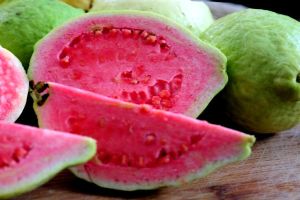 6m+Guavastarting at 6 months old. It is recommended to
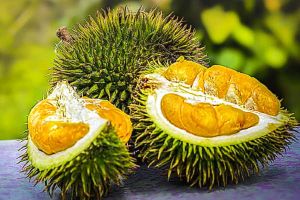 8m+Durianfruit is used to flavor many sweet edibles
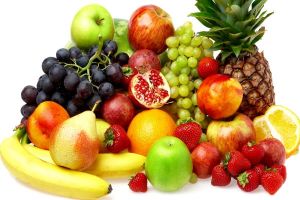 6m+FruitsExcellent ideas for pureed fruits to prepare
Where to start
Banana and avocado are the classic first fruits because they require nothing beyond a fork. Both mash to a smooth consistency, both are mild, and both carry useful energy, which matters when a baby's stomach is very small. Apple and pear are equally good but need softening first, either steamed or baked.
There is no correct order and no need to introduce fruit before vegetables or the other way round. What does help is offering vegetables regularly alongside, since fruit is sweet and easy to accept while vegetables sometimes take more attempts.
Preparing fruit by age
The fruit stays the same. What changes is how you cut it:
Smooth purees, or strips of soft fruit long enough to stick out of a closed fist. Cook firm fruit until it squashes easily between your fingers.
Bite sized chunks as the pincer grip develops. Round fruit such as grapes, blueberries and cherry tomatoes must be quartered lengthways.
Skins become manageable and pieces can be larger. Keep quartering round fruit until around 2 years, and keep whole nuts and hard raw fruit off the menu until about 4.
Round fruit is the main hazard: whole grapes, cherry tomatoes, blueberries and small plums are almost exactly the width of a young child's airway and firm enough to hold that shape. Quarter them lengthways rather than halving them across, which leaves the same round profile. See our choking hazards guide for the wider list.
Fruit, juice and dried fruit
These three behave very differently, and it is worth separating them:
| Form | Fibre | Effect on teeth | Suits a baby |
|---|---|---|---|
| Whole fresh fruit | Intact | Low risk | Yes, from 6 months |
| Mashed or pureed | Intact | Low risk | Yes, from 6 months |
| Dried fruit | Intact but concentrated | Sticky, higher risk | Small amounts, from 9 months |
| Fruit juice | Removed | High risk | Not under 12 months |
| Smoothie pouches | Partly broken down | Higher risk | Occasionally, not daily |
Juicing releases the sugars from the fruit's structure, which is why juice is treated differently from whole fruit. Source: NHS.
Safety notes
Fruit is among the lowest risk food groups, and most of the caution attaches to preparation rather than the food. Beyond the round fruit point above, wash everything, including fruit you are going to peel, since bacteria transfer from skin to flesh on the knife. Remove stones, pips and large seeds, which are choking hazards.
Two allergen notes. Kiwi, banana, avocado and papaya are associated with latex fruit syndrome, so mention it to your doctor if latex allergy runs in the family. And acidic fruit such as citrus, berries and tomato often produces a red ring around the mouth on contact, which is irritation rather than allergy and settles within an hour or two.
Fruit FAQ
Which fruit should a baby try first?
Banana and avocado are the usual starting points, because they need no cooking and mash to a smooth texture straight away. Apple and pear are close behind, though both need steaming or baking first to soften them enough. There is no required order, so start with whatever you have.
Do fruits need to be cooked for babies?
Some do, some do not. Banana, avocado, ripe pear, mango and papaya are soft enough to mash raw. Apple, and any firm pear, need steaming or baking to soften. As a rule, if you cannot squash it easily between finger and thumb, it needs cooking.
Can babies eat dried fruit?
In small amounts and with care from around 9 months. Dried fruit is concentrated sugar and it sticks to teeth, and larger pieces like raisins, dates and dried apricots are a choking risk that need chopping small. Serving it with a meal rather than as a snack is better for teeth.
Is fruit juice suitable for babies?
Not under 12 months, and it is not needed after that either. Juicing removes the fibre and leaves the sugar free to attack teeth, and a cup of juice displaces milk or food. Whole fruit gives everything juice does plus the fibre, so offer that and water instead.
Sources
- Weaning and feeding, NHS.
- Choking Prevention, American Academy of Pediatrics.
- FoodData Central, U.S. Department of Agriculture.
This article is general information, not medical advice. Every baby is different. Talk to your doctor, health visitor or paediatrician about your own baby, and about starting solids or any allergy concerns.