Can Babies Eat Halibut?
Yes from 6 months, but treat it as a now and then fish. Halibut is lovely, mild and firm, and it carries more mercury than the everyday white fish because it grows large and lives a long time. Once or twice a month is fine. Fill the rest of the week with haddock, salmon or sardines instead.
Halibut is the fish people buy when they want to treat themselves, and it makes perfectly good baby food. The only reason it needs its own page rather than a line in the general fish guide is mercury. It is not in the avoid entirely group, but it is a step up from cod and haddock, and the difference is worth understanding rather than guessing at. Our meat and fish guide puts the whole list in order.
What is halibut?
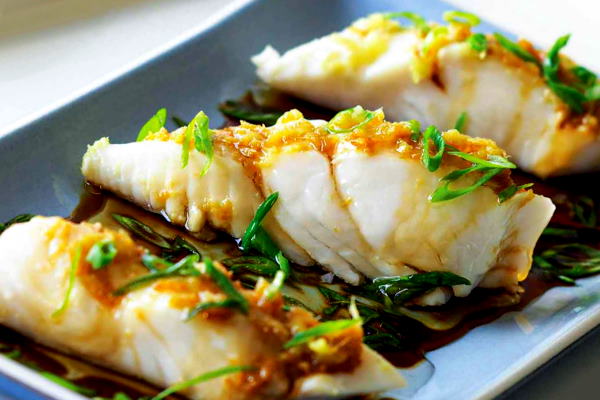
Halibut is a very large flatfish from the cold waters of the North Atlantic and North Pacific. It is the biggest of the flatfish, sometimes reaching well over two metres, and it lives for decades. The flesh is white, firm and meaty, closer in texture to a steak than to the soft flake of cod.
The size and age are the whole explanation for the mercury. Our general fish guide has the full low, moderate and avoid lists if you want to plan a week around them.
Halibut nutrition
Lean, high in protein, and a decent source of selenium and B12 without much fat.
| Nutrient | Per 100 g |
|---|---|
| Energy | 111 kcal |
| Protein | 23 g |
| Fat | 2.3 g |
| Omega 3 (EPA and DHA) | 0.5 g |
| Vitamin B12 | 1.2 mcg |
| Selenium | 47 mcg |
| Potassium | 528 mg |
Typical values for cooked Atlantic halibut. Source: USDA FoodData Central.
Where halibut sits on mercury
Mercury advice is easier to follow as three tiers rather than a long list:
Salmon, haddock, cod, pollock, sardines, tilapia, trout, shrimp. These are the fish to build the routine around.
Halibut, mahi mahi, snapper and canned albacore tuna. The U.S. Food and Drug Administration puts these in a second tier, and for a baby, once or twice a month is a comfortable interpretation.
Shark, swordfish, marlin, king mackerel, tilefish, orange roughy and bigeye tuna. These carry enough mercury that they are not recommended for children at all.
Why mercury matters more for babies: methylmercury affects the developing nervous system, and a baby's brain is doing more building than it ever will again. The effect is about long term average intake rather than any single meal, so an occasional halibut dinner is not a problem. A weekly habit of moderate mercury fish is what to avoid.
Gentle baked halibut with pea mash
Halibut is lean and turns dry and rubbery if you overdo it, so cover it and pull it out the moment it turns opaque:
Gentle baked halibut with pea mash
Makes 2 baby portions, from 6 monthsIngredients
- 1 small skinless halibut fillet
- 3 tablespoons peas
- 1 small potato
- A splash of whole milk or olive oil
Method
- Bake the halibut covered, at a moderate heat, for about 10 minutes until just opaque.
- Boil the potato until soft and cook the peas until tender, then blend them smooth.
- Flake the halibut on a plate with your fingers, checking every flake for bones.
- Mash the fish through the potato and peas with a splash of milk, keeping it loose, then cool before serving.
Risks and safety
Three things to hold in mind. Mercury sets the frequency, as covered above. Fish is a major allergen, so introduce halibut on its own and watch for hives, swelling around the mouth, vomiting or a rash within a couple of hours, and seek emergency help for wheezing or breathing trouble.
The third is texture, which people underestimate with halibut specifically. It is much firmer than cod or haddock, and overcooked halibut goes genuinely rubbery, which is hard for a baby to break down and swallow. Cook it gently, keep it moist, flake it with your fingers to catch bones, and always serve it mashed through something soft rather than as dry chunks.
Halibut FAQ
Can babies eat halibut?
Yes, from around 6 months, but keep it occasional. Halibut sits in the moderate mercury group, so regulators class it as a good choice rather than a best choice. Roughly once or twice a month is sensible, with low mercury fish like haddock or salmon filling the rest of the week.
Why is halibut higher in mercury than other white fish?
Because of size and lifespan. Halibut is a large, long lived predator that eats other fish, so mercury accumulates in its flesh over many years. Small, fast growing fish like sardines never live long enough to build up much.
How should I cook halibut for a baby?
Bake or poach it gently until it turns opaque and flakes apart. Halibut is lean and dries out quickly, which makes it tough and hard to swallow, so cook it just to done and mash it with something moist like potato or a little milk.
Is halibut a choking risk for babies?
Only through bones and dryness. Halibut has firm, meaty flesh that can turn rubbery if overcooked, and dry fish is hard for a baby to manage. Flake it with your fingers to remove bones, and always mash it into a soft, moist base.
Sources
- Halibut, Wikipedia.
- Advice about Eating Fish, U.S. Food and Drug Administration.
- FoodData Central, U.S. Department of Agriculture.
This article is general information, not medical advice. Every baby is different. Talk to your doctor, health visitor or paediatrician about your own baby, and about starting solids or any allergy concerns.