Can Babies Eat Too Much?
They can, but it usually takes an adult to make it happen. Babies are born with a working sense of fullness, and breastfed babies in particular are very good at stopping when they have had enough. Overfeeding tends to arrive with bottles, spoons and pouches, where someone else decides how much is in the portion and how fast it goes in.
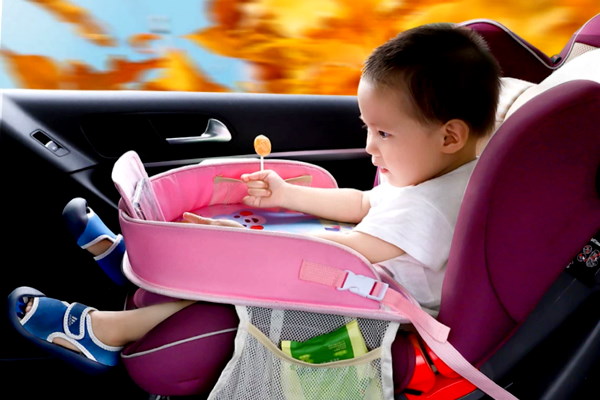
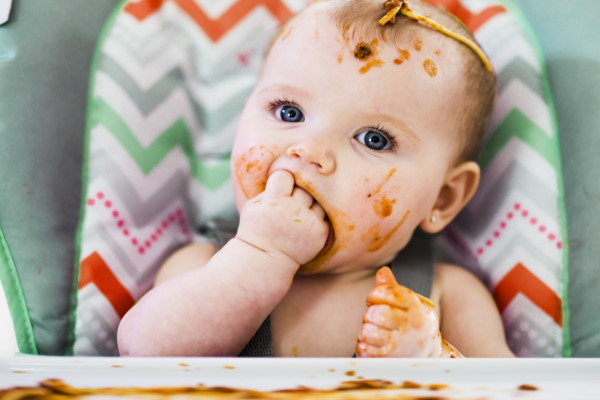
This question usually arrives at three in the afternoon with half a jar left and a baby who has clearly finished. The instinct to get the rest in is strong, and it is worth resisting. Babies come equipped with a sense of fullness that most adults have spent decades overriding, whether the bowl holds oatmeal or pudding, and the single most useful thing you can do is not teach them to override it too. Where you feed matters as well, which is why we have a separate page on eating in a car seat.
Why breastfed babies rarely overfeed
At the breast, a baby controls the pace, the flow slows as the feed goes on, and feeding takes real effort. All of that gives them time to notice fullness and act on it. A bottle flows steadily regardless of effort, and it is easy for an adult to tip it up for the last bit. That difference, rather than what is in the milk, is why bottle fed babies are more likely to take more than they need.
Our page on feeding in a car seat covers a related point about paying attention while a baby eats.
The signals to read
Babies are clear about this long before they can talk. The cues are consistent from the first weeks:
| Still hungry | Had enough |
|---|---|
| Leaning towards the spoon | Turning the head away |
| Opening the mouth as it approaches | Keeping the mouth closed |
| Hands reaching for food | Pushing the spoon or bowl away |
| Excited, focused on eating | Getting distracted or playing |
| Sucking steadily on a bottle | Slowing right down, releasing the teat |
| Fussing when the food stops | Arching back, becoming unhappy |
These cues are reliable from early infancy and are the basis of responsive feeding. Source: Centers for Disease Control and Prevention.
What changes with age
Appetite is not steady, and it is not meant to be:
Feed when they show hunger cues rather than to a clock. Growth spurts mean some days involve far more feeding than others, which is normal.
Milk is still the main source of nutrition. Solids are practice and exploration as much as calories, so a meal barely touched is not a failure.
Never force the last spoonful: games, distraction, and encouraging a baby to finish what is left all teach the same lesson, which is that the plate decides rather than the body. That habit is far harder to undo later than it is to avoid now. An unfinished portion is information, not a problem.
Practical habits
Most of this is about removing the pressure rather than adding a rule:
Do
- Offer, and let your baby decide how much
- Serve small portions and top up if they want more
- Pace bottle feeds, pausing and holding the bottle level
- Eat together where you can, so they copy rather than perform
- Judge intake across a week rather than a single meal
Do not
- Aim to empty the bottle, jar or pouch
- Use games or distraction to get more in
- Use food as a reward or withhold it as punishment
- Compare portions with another baby
- Add cereal to a bottle to make a baby sleep longer
When it is worth checking
Rather than counting spoonfuls, look at the things that actually indicate whether a baby is thriving: steady weight gain along their own centile line, plenty of wet nappies, alertness when awake, and reaching their milestones. Health visitors track growth for exactly this reason, and a single measurement matters far less than the trend across several.
Get in touch with your health visitor or doctor if your baby is consistently gaining much faster or slower than their own established line, if they seem persistently uncomfortable or in pain after feeds, if there is frequent forceful vomiting rather than ordinary posseting, or if you are simply worried. Persistent overfeeding in bottle fed babies sometimes shows up as discomfort, wind and vomiting rather than weight gain, so those symptoms are worth mentioning.
Risks and safety
The realistic short term consequences of overfeeding are discomfort, wind and vomiting rather than anything serious, whatever the food. Very sweet things are simply the easiest to overdo, which is why we treat sugar separately. It sits alongside the practical questions covered in our other foods guides. Over the longer term, the concern is about learned behaviour: children encouraged to finish portions tend to become less good at recognising their own fullness, and rapid weight gain in infancy is associated with a higher likelihood of overweight later in childhood.
The opposite worry deserves saying too. Most parents who ask this question are feeding their baby perfectly well, and anxiety about amounts is far more common than actual overfeeding. If reading this has made you second guess yourself, the answer is not to change anything except to watch your baby a little more and the bowl a little less. The American Academy of Pediatrics has more on responsive feeding.
Overfeeding FAQ
Can babies eat too much?
They can, though it is less common than parents fear. Breastfed babies are very good at self regulating, because feeding takes effort and they stop when full. Overfeeding is far more likely with a bottle or a spoon, where an adult sets the pace and can encourage a baby past the point where they would have stopped.
How do I know when my baby has had enough?
Watch them rather than the bowl. Turning the head away, closing the mouth, pushing the spoon back, arching away, slowing right down, getting distracted or becoming unhappy are all ways of saying they are finished. Those signals are reliable, and they are worth trusting even when food is left.
Should I encourage my baby to finish the bottle or the jar?
No. A bottle or a pouch is a portion someone else decided on, and it has no idea how hungry your baby is today. Encouraging the last bit teaches a child to override their own fullness, which is the habit most worth avoiding. Let them leave what they leave.
What are the signs my baby is not getting enough?
Wet nappies are the most useful day to day sign, along with steady weight gain along their own centile line, alertness when awake and general contentment. If you are worried in either direction, have them weighed and talk to your health visitor rather than trying to judge from the amount eaten.
Sources
- Foods and Drinks for 6 to 24 Month Olds, Centers for Disease Control and Prevention.
- Feeding and Nutrition, American Academy of Pediatrics.
- Complementary feeding, World Health Organization.
This article is general information, not medical advice. Every baby is different. Talk to your doctor, health visitor or paediatrician about your own baby, and about starting solids or any concerns about growth or feeding.