Can Babies Eat Bread?
Yes. Bread is good from around 7 months, and toast fingers are the friendliest way in. Go for lower-salt bread and keep toppings thin. Bonus: bread is a painless way to introduce wheat and gluten.
Bread feels like the ultimate easy snack, and mostly it is. There are just two catches with babies: fresh bread can turn gummy in a small mouth, and bread carries a surprising amount of salt. Sort both of those and it becomes one of the handiest foods you can offer.
What is bread?
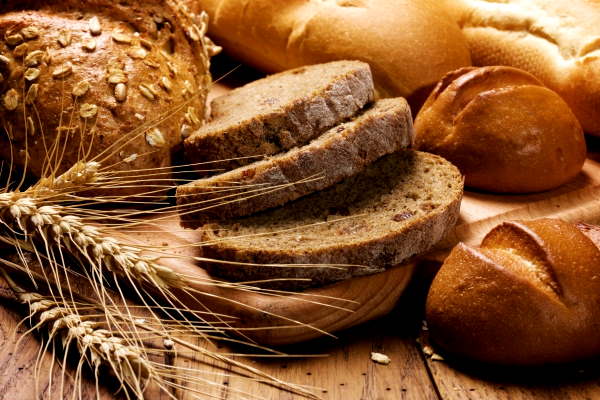
Bread is baked from a dough of flour and water, usually risen with yeast. It has fed people for thousands of years and comes in endless shapes, from soft sandwich loaves to dense wholegrain. For babies, the softer and lower in salt, the better.
Toast is basically a built-in cutlery-free meal. Spread it with mashed avocado or a thin layer of smooth nut butter, and you have a quick breakfast that your baby can hold.
Bread nutrition for babies
Bread brings carbohydrate for energy, some protein and a little fibre, and wholegrain versions add more. The number to keep an eye on is salt.
| Nutrient | Per 100 g (white bread) |
|---|---|
| Energy | 265 kcal |
| Carbohydrate | 49 g |
| Protein | 9 g |
| Fibre | 2.7 g |
| Fat | 3.2 g |
Typical values for white bread. Source: USDA FoodData Central.
When can babies eat bread?
Bread fits in from around 7 months. How you serve it changes as chewing gets stronger:
Lightly toast the bread and cut it into finger strips. Toast is easier to manage than soft fresh bread, which can ball up.
Add a thin spread such as mashed avocado, cream cheese or smooth nut butter, right to the edges so it does not smear off.
Cut soft sandwiches into small pieces. Keep fillings low in salt and sugar.
Tip: if you would rather not toast, squash a slice of fresh bread flat with a rolling pin first. It is far less likely to turn into a gummy lump.
Health benefits of bread for babies
Energy
The carbohydrate in bread gives babies quick, easy fuel for a busy day of crawling and grabbing.
Fibre from wholegrain
Wholemeal and seeded breads add fibre, which supports steady digestion.
Easy allergen intro
Bread is a gentle way to bring wheat and gluten into your baby's meals early.
Toast is a brilliant delivery system for other foods. Load a finger with mashed egg, or a thin smear of hummus, and a plain slice becomes a proper little meal.
How to serve bread safely
Do
- Lightly toast bread for younger babies.
- Choose lower-salt loaves.
- Spread toppings thin and to the edges.
- Cut it into grippable finger strips.
Avoid
- Big pillowy chunks of soft fresh bread.
- Salty toppings like ham, marmite or stock spreads.
- Honey on toast before 12 months.
- Whole seeds or nuts on top for young babies.
Risks and safety
The main safety points are texture and salt. Soft fresh bread can clump, so toast it or flatten it for young babies. And because bread adds up quickly as a salt source, keep an eye on the loaf you buy and what goes on top.
Weaning safely: the NHS has clear guidance on finger foods, salt limits and introducing gluten, which is worth a read before bread becomes a daily thing.
Easy bread idea (7 months)
Toast fingers with a thin topping
Makes 1 baby portion, from 7 monthsIngredients
- 1 slice lower-salt bread
- A thin spread of mashed avocado, smooth nut butter or cream cheese
Method
- Toast the bread lightly so it firms up but is not hard.
- Spread a thin layer of your topping right to the edges.
- Cut into finger-width strips your baby can grip, and serve.
Bread FAQ
When can babies eat bread?
Bread suits babies from around 7 months, once they are used to first foods. Toast fingers are the easiest and safest way to start, and bread is a simple way to bring wheat and gluten into the diet.
Is fresh bread a choking risk?
Soft fresh bread can squish into a sticky ball in a baby's mouth, which is why lightly toasted fingers are a better bet. Toast holds its shape, softens as your baby gums it, and is easier to manage.
How much salt is okay in bread for babies?
Bread is one of the biggest hidden sources of salt in a child's diet. Babies need very little salt, so choose lower-salt loaves, keep portions small, and go easy on salty toppings.
Does bread contain allergens?
Most bread contains wheat and gluten. Introducing these from around 6 months is recommended rather than delaying. Some loaves also carry sesame, seeds or milk, so it is worth a quick label check.
Sources
- Bread, Wikipedia.
- FoodData Central, U.S. Department of Agriculture.
- Weaning and feeding, National Health Service (UK).
This article is general information, not medical advice. Every baby is different. Talk to your doctor, health visitor or paediatrician about your own baby, and about starting solids or any allergy concerns.