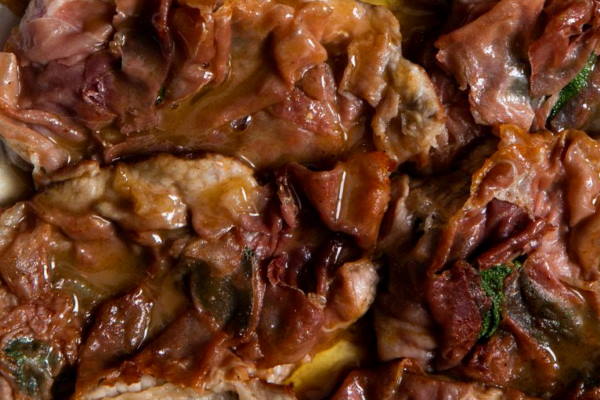
Can Babies Eat Veal?
Yes, from 6 months, slow cooked. Veal is young beef, and it brings the same iron, zinc and B12 that make red meat worth giving a baby, with a milder taste and finer texture. The only real cooking note is that it is extremely lean, so it needs gentle moist cooking rather than a hot pan, or it turns tough.
Veal is a common weaning meat in Italy and France, where it often appears in a baby's first meals precisely because it is mild and fine textured. It is less familiar elsewhere, partly for welfare reasons that have genuinely changed over the past couple of decades. Nutritionally, it does the job red meat does at this age.
What is veal?
Veal is meat from young cattle, usually calves under about eight months. Because the animal is young, the muscle has developed less connective tissue and stored less fat, so the meat is pale, fine grained and delicate. Rose veal, which is slightly older and pasture raised, is the version most widely sold in Britain now.
Our ground beef page covers the more widely available option, and lamb is another good iron source at this age.
Veal nutrition
Lean and protein dense, with useful iron and a lot of B12.
| Nutrient | Per 100 g cooked |
|---|---|
| Energy | 172 kcal |
| Protein | 31 g |
| Fat | 4.6 g |
| Iron | 1.2 mg |
| Zinc | 4.4 mg |
| Vitamin B12 | 1.6 mcg |
| Salt | Trace |
Typical values for cooked lean veal. Source: USDA FoodData Central.
Serving veal by age
Moisture is the constant, since veal has almost no fat to protect it:
Slow cooked in stock or a tomato sauce until it falls apart, then shredded finely and mashed with vegetables and plenty of cooking liquid.
Veal mince browned and simmered in a sauce is easy, and soft shreds work as finger food. Keep everything moist.
Whatever the family is eating, cooked fully and cut small. Breaded escalopes are fine occasionally, though watch the salt in shop bought ones.
Lean meat dries out and dry meat is hard to swallow: this is the most common reason a baby refuses meat. Veal has almost no internal fat, so a quickly cooked piece goes firm and stringy. Braise it, keep the cooking liquid, and mash the meat back into it. Moist shredded meat is far easier for a baby than a neat cube.
Braised veal and vegetable mash
The long gentle simmer is what turns lean veal into something a baby can manage:
Braised veal and vegetable mash
Makes 4 baby portions, from 6 monthsIngredients
- 200 g diced veal shoulder
- 1 carrot, chopped
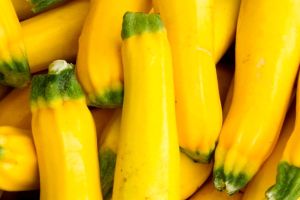
- 1 small courgette, chopped
- 1 teaspoon olive oil
- 300 ml water or no salt stock
- A pinch of dried thyme
Method
- Brown the veal lightly in the olive oil, then add the carrot and thyme.
- Pour in the liquid, cover, and simmer very gently for 60 to 75 minutes.
- Add the courgette for the last 15 minutes, until everything is completely soft.
- Shred the meat finely, mash with the vegetables and cooking liquid, and cool before serving.
Risks and safety
Veal is a low risk food. Meat allergy is rare, and there is no salt, sugar or toxin question attached. The standard meat rules apply: cook it right through rather than pink, since undercooked meat can carry E. coli and other pathogens that hit a baby hard, and store and handle it as you would any raw meat.
Texture is the practical issue rather than safety, as covered above. Shop bought breaded veal escalopes and schnitzel are usually salted, so check the label if you are using them, and see our salt guide for the limits. The welfare question around veal farming is worth being aware of, and buying rose veal from a known source is the usual answer for families who want to eat it.
Veal FAQ
Can babies eat veal?
Yes, from around 6 months. Veal is young beef, so it carries the same useful iron, zinc and B12 but with a milder flavour and finer texture, which many babies accept more easily than beef. It is very lean, so cook it slowly with liquid to keep it tender.
How is veal different from beef?
Veal comes from young calves, so the meat is paler, finer grained and much lower in fat. That makes it tender if cooked gently and tough if cooked fast and hot. Nutritionally it is similar to lean beef, with slightly less iron but plenty of protein, zinc and B12.
How should veal be cooked for a baby?
Slowly and with moisture. Braise diced veal in stock or a tomato sauce until it shreds, or use veal mince browned and simmered. Avoid pan frying escalopes for a baby, which cook fast and go firm, and always cook it right through rather than pink.
Is veal ethically different from beef?
Farming standards vary considerably by country, and welfare concerns about traditional crate raised veal led to changes in many places, including a ban on veal crates across the EU and UK. Rose veal, raised to higher welfare standards, is the version usually available now. It is a values question rather than a safety one.
Sources
- Veal, Wikipedia.
- Feeding and Nutrition, American Academy of Pediatrics.
- FoodData Central, U.S. Department of Agriculture.
This article is general information, not medical advice. Every baby is different. Talk to your doctor, health visitor or paediatrician about your own baby, and about starting solids or any allergy concerns.