Can Babies Eat Corn?
Yes, with one big caveat. Corn is fine from around 6 months, but not as loose whole kernels. For young babies, puree or blend it. Whole kernels and corn on the cob come later, and popcorn is off the menu for years yet.
Babies tend to love corn, which is handy, because it is sweet, cheap and available all year. The catch is the shape. Those little kernels are round and firm with a tough skin, so how you serve corn matters more than when. Here is the safe way to do it.
What is corn?
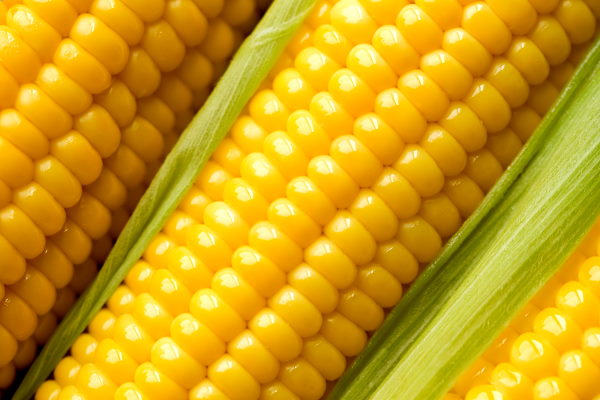
Corn, or maize, is a cereal grain grown all over the world. The sweetcorn we eat as a vegetable is the soft, sugary kind, picked young. Each cob is packed with kernels, and each kernel has a chewy outer hull that a baby cannot break down easily.
Corn puree is smooth and naturally sweet, so it mixes into all sorts of meals. Stir it through mashed peas for a bright green and yellow bowl your baby will happily wear.
Corn nutrition for babies
Corn gives energy from carbohydrate, plus fibre and a little protein. It is more filling than most vegetables.
| Nutrient | Per 100 g (sweetcorn) |
|---|---|
| Energy | 86 kcal |
| Carbohydrate | 19.0 g |
| of which sugars | 3.2 g |
| Fibre | 2.7 g |
| Protein | 3.3 g |
| Vitamin C | 6.8 mg |
Typical values for sweetcorn. Source: USDA FoodData Central.
When can babies eat corn?
Corn can start from around 6 months in the right form. The texture is the whole story here:
Blend cooked sweetcorn until smooth, and sieve it to remove the tough hulls. Stir the puree into other vegetables or into oatmeal.
Lightly mashed or creamed corn is fine as your baby gets better at chewing, but still no loose whole kernels.
When your child chews confidently, whole soft kernels are okay. Corn on the cob is best saved for older toddlers.
Choking: whole corn kernels and popcorn are high on the choking hazard list. Puree corn for young babies, hold off on whole kernels until your child chews well, and skip popcorn until around 4 to 5 years.
Health benefits of corn for babies
Energy
Corn is higher in carbohydrate than most vegetables, so it gives busy babies a bit more staying power.
Fibre
It brings fibre to the plate, which supports digestion, most of it tucked into those chewy hulls.
Eye-friendly nutrients
The yellow colour comes from lutein and zeaxanthin, plant pigments that support healthy eyes.
Corn puree has a gentle sweetness that plays well with creamy foods. A spoon of mashed avocado stirred in adds healthy fats and makes it lovely and smooth.
How to serve corn safely
Do
- Puree and sieve corn for young babies.
- Cook it soft, whether fresh or frozen.
- Rinse canned corn and choose no-salt versions.
- Wait for confident chewing before whole kernels.
Avoid
- Loose whole kernels for young babies.
- Popcorn, until around 4 to 5 years.
- Salty canned or tinned corn.
- Corn on the cob for young babies.
Risks and safety
Corn is low on the allergy scale, so choking is the real concern. The kernels and popcorn are the parts to watch, and veggie straws raise the same question about crunchy snack shapes. Puree does the job for young babies, and a little patience with whole kernels keeps mealtimes safe.
Safe textures: the Centers for Disease Control and Prevention lists whole kernels and popcorn among common choking hazards, so match the texture to your baby's stage and never leave them alone while eating.
For a heartier meal once your baby is a bit older, stir corn into a mild cheesy mash. A little grated cheese turns plain corn into something they will ask for again.
Easy corn recipe (6 months)
Simple sweetcorn puree for baby
Makes 2 baby portions, from 6 monthsIngredients
- 1 cup sweetcorn, fresh or frozen
- 2 tbsp water, breast milk or formula
Method
- Cook the sweetcorn in a little water until soft, about 5 minutes.
- Blend it until completely smooth, adding the water or milk to loosen it.
- For young babies, pass the puree through a sieve to catch the tough hulls, then cool before serving.
Corn FAQ
When can babies eat corn?
Corn is fine from around 6 months, but not as loose whole kernels for young babies. Puree it, blend it or serve it creamed. Whole kernels come later, once your child chews well.
Are corn kernels a choking hazard?
Yes. Whole kernels are round with a tough hull, which makes them a choking risk for babies and young toddlers. Puree or blend corn for younger babies, and only offer whole kernels once your child chews confidently.
Can babies eat popcorn?
No. Popcorn is one of the top choking hazards for young children and should be avoided until around 4 to 5 years. The hard, unpopped bits at the bottom of the bowl are the worst offenders.
Is canned or frozen corn okay for babies?
Frozen corn is great, just cook it soft. Canned corn works too, but rinse it well and choose a no-salt version, since canned vegetables are often salty.
Sources
- Maize, Wikipedia.
- FoodData Central, U.S. Department of Agriculture.
- Foods and Drinks for 6 to 24 Month Olds, Centers for Disease Control and Prevention.
This article is general information, not medical advice. Every baby is different. Talk to your doctor, health visitor or paediatrician about your own baby, and about starting solids or any allergy concerns.