Can Babies Eat Jam?
Best left until after 24 months. Jam is roughly half sugar by weight, because sugar is what makes it set and keep. There is no safety issue, so a taste will not hurt anyone. But toast with jam every morning is a sugar habit forming at exactly the age when it is easiest not to start one. A homemade fruit spread takes ten minutes.
Jam is fruit, which is why it feels like it should be fine, and it is also mostly sugar, which is why it is not. The sugar is not there for taste alone, it is doing the preserving, which is why traditional recipes use roughly equal weights of fruit and sugar. Sweet spreads such as maple syrup skip the fruit entirely. Knowing that makes the answer easier to accept, and easier to work around.
What is jam?
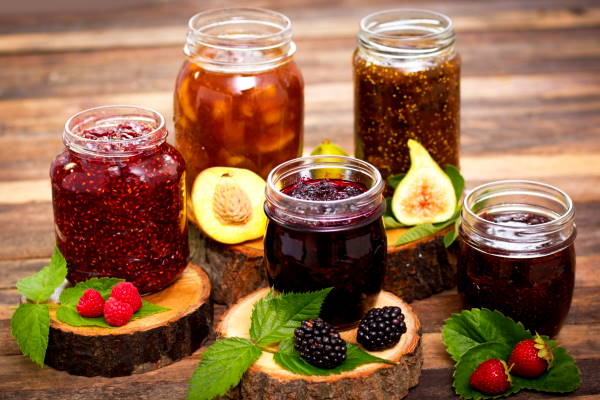
Jam is fruit cooked with sugar until it sets, held together by pectin naturally present in the fruit. The high sugar concentration is what stops microbes growing, which is how a jar keeps for a year unopened. Jelly in the American sense is the same thing made from strained juice, and marmalade is the citrus version including peel.
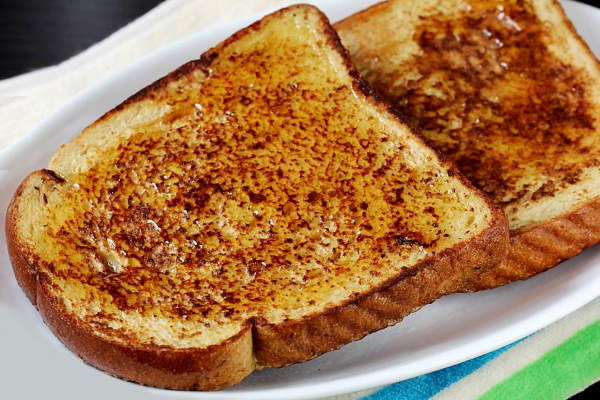
Our jelly page covers both meanings of that word, and the toast page has better topping ideas for a baby.
Jam compared
The gap between standard jam and a homemade fruit spread is substantial:
| Per 20 g serving | Standard jam | Homemade chia spread |
|---|---|---|
| Energy | 55 kcal | 14 kcal |
| Sugars | 12 g | 2 g, from fruit |
| Added sugar | 10 g | 0 g |
| Fibre | 0.2 g | 1.5 g |
| Fruit content | Around 40 percent | Around 95 percent |
Approximate values. Reduced sugar jams sit between the two. Source: USDA FoodData Central.
When can babies eat jam?
Which version matters more than the age:
Mashed or simmered fruit with no added sugar is simply fruit, and fine on toast fingers from the start.
Shop bought spreads sweetened only with fruit juice are reasonable in small amounts, though juice concentrate is still a free sugar.
A thin scrape as part of a meal, or a little jelly, which is the same thing strained. Keep it to mealtimes rather than grazing, and brush teeth afterwards, since jam is unusually sticky.
Stickiness matters as much as sugar: jam clings to teeth and keeps feeding decay causing bacteria long after the meal ends. That is why a sticky sweet food is worse for teeth than the same sugar in a drink swallowed quickly. If jam is on the menu, put it with a meal and follow with water.
No added sugar chia berry spread
Chia seeds absorb liquid and set the mixture, doing the job sugar and pectin normally do:
No added sugar chia berry spread
Makes about 8 servings, from 6 monthsIngredients
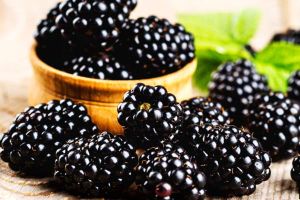
- 200 g soft berries, fresh or frozen
- 1 tablespoon chia seeds
- 2 tablespoons water
- A squeeze of lemon
Method
- Simmer the berries with the water for about 5 minutes, until they collapse.
- Mash them thoroughly, or blend smooth for a younger baby.
- Stir in the chia seeds and the lemon, then leave to stand for 15 minutes to thicken.
- Cool completely and keep in a jar in the fridge for up to 5 days.
Risks and safety
Jam is not a dangerous food. There is no botulism concern the way there is with honey, no allergen unless the fruit itself is one, and no choking risk in a smooth spread. The whole case against it is sugar, plus the stickiness that keeps that sugar on the teeth. Jam filled donuts combine both problems with deep frying.
Two smaller points. Chunky preserves and marmalade contain firm pieces and peel that a young baby will struggle with, so choose smooth. And if you make the chia spread, note that chia seeds must be fully soaked and hydrated before serving, never given dry, since they swell considerably in liquid. Our sugar guide has the wider picture on added sugars in the first two years.
Jam FAQ
Can babies eat jam?
Best avoided before 24 months. Standard jam is around 50 to 60 percent sugar, and added sugar is not recommended under two. It is not dangerous, so a taste at a family breakfast is nothing to worry about, but it does not belong on toast every morning.
Is no added sugar jam suitable for babies?
It is a much better option, and reasonable from around 12 months in small amounts. These spreads are usually sweetened with fruit juice concentrate, which is still a free sugar, so they are an improvement rather than a free pass. Check the label and spread it thinly.
Can I make a fruit spread for my baby?
Easily. Simmer chopped berries or apricots with a splash of water until soft, mash them, and stir in chia seeds to thicken as it cools. It keeps about five days in the fridge, contains no added sugar, and tastes considerably more of fruit than shop bought jam does.
Does jam pose any risk beyond sugar?
Not much. Watch for whole seeds and large fruit pieces in chunky preserves, which are not ideal for a young baby, and be aware that jam is sticky, so it clings to teeth for longer than most foods. Marmalade also tends to contain firm peel, which is harder to manage.
Sources
- Fruit preserves, Wikipedia.
- Healthy diet, World Health Organization.
- FoodData Central, U.S. Department of Agriculture.
This article is general information, not medical advice. Every baby is different. Talk to your doctor, health visitor or paediatrician about your own baby, and about starting solids or any allergy concerns.