Can Babies Eat Ricotta?
Yes. Ricotta is a lovely first cheese from around 6 months. It's soft, creamy and mild, and it's lower in salt than most cheeses, which is exactly what you want for a baby. Spoon it straight in, or stir it through fruit, vegetables or soft pasta.
If hard cheese feels like a lot for a new eater, ricotta is the gentle way in. It's soft enough to spoon, mild enough that babies rarely pull a face, and lower in salt than cheddar or feta. It also plays nicely with both sweet and savoury food, which makes it a handy thing to keep in the fridge.
What is ricotta?
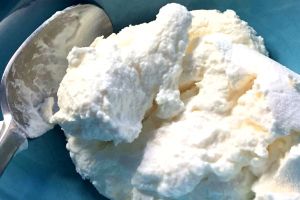
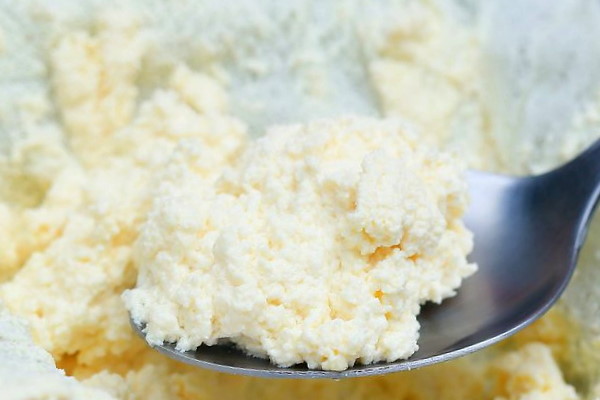
Ricotta is a soft, fresh cheese with a light, slightly grainy texture. It's traditionally made from the whey left over after making other cheeses, which is where the name, meaning roughly recooked, comes from. Unlike aged cheeses, it's mild and low in salt, so it suits little eaters.
Ricotta is a close cousin of plain yogurt in how you use it. Stir in a little fruit and you have a quick sweet bowl, or keep it plain and mix it into a savoury mash.
Ricotta nutrition for babies
Ricotta brings protein, fat and calcium in a soft, spoonable form. It's also lower in salt than harder cheeses, which is a real plus for babies.
| Nutrient | Per 100 g (whole milk) |
|---|---|
| Energy | 174 kcal |
| Protein | 11.3 g |
| Fat | 13 g |
| Carbohydrate | 3 g |
| Calcium | 207 mg |
| Sodium | 84 mg |
Typical values for whole milk ricotta. Source: USDA FoodData Central.
When can babies eat ricotta?
Ricotta can start from around 6 months. It stays useful the whole way through:
Offer a little plain, or stir it into fruit and vegetable puree for a creamy, protein-rich bowl.
Spread it thick on soft toast fingers, or let your baby practise the spoon with it. Thick ricotta clings to a spoon better than runny food.
Fold it through soft pasta, dollop it onto cooked vegetables, or bake it into simple family dishes.
Health benefits of ricotta for babies
Calcium
Ricotta supplies calcium for building strong bones and teeth during a big growth stretch.
Protein
It's a good source of protein, which supports steady growth, in a texture babies can manage early.
Lower in salt
Compared with aged cheeses, ricotta is low in salt, so it fits a baby's diet more comfortably.
Ricotta is a quiet upgrade for plain meals. A spoonful stirred into fruit turns a simple puree into something creamier and more filling, a bit like adding banana for sweetness.
How to serve ricotta safely
Do
- Choose full-fat, pasteurised ricotta.
- Spoon it plain or stir it into other food.
- Spread it on soft toast fingers for older babies.
- Keep it chilled and use it fresh.
Avoid
- Low-fat versions, since babies need the fat.
- Adding salt or sugar.
- Leaving it out of the fridge for long, as it is a fresh cheese.
- Flavoured or sweetened tubs aimed at adults.
Risks and safety
Ricotta is one of the easier cheeses on the safety front. It's soft, so choking risk is low, and it's naturally lower in salt. It is still a dairy food, though, so cow's milk allergy applies, and being a fresh cheese it needs to be kept cold and eaten reasonably fresh. Stick to pasteurised.
Dairy note: cow's milk is a common allergen, so if your baby has reacted to dairy before, check with your doctor first. For general weaning advice and which cheeses suit babies, the NHS is a good place to start.
Easy ricotta recipe (6 months)
Ricotta and fruit for baby
Makes 2 baby portions, from 6 monthsIngredients
- 3 tbsp full-fat ricotta
- 1 tbsp fruit puree, such as pear, banana or berry
Method
- Spoon the ricotta into a bowl.
- Stir the fruit puree through until smooth and creamy.
- Serve straight away, or spread it onto soft toast fingers.
Ricotta FAQ
When can babies eat ricotta?
Ricotta is fine from around 6 months. It is soft, mild and lower in salt than many cheeses, so it is a gentle first cheese to spoon straight in or stir through other food.
Is ricotta a good first cheese for babies?
It really is. Ricotta is smooth and creamy with a mild taste and less salt than hard cheeses, which makes it one of the friendlier cheeses to start with.
How do you serve ricotta to a baby?
Spread it on toast fingers, stir it into fruit or vegetable puree, or fold it through soft pasta. Choose full-fat, pasteurised ricotta and add no salt.
Is ricotta safe for babies?
Ricotta is soft, so choking risk is low, and it is lower in salt than most cheeses. It is still a dairy food, though, and cow's milk is a common allergen, so check with your doctor if your baby has reacted to dairy.
Sources
- Ricotta, Wikipedia.
- FoodData Central, U.S. Department of Agriculture.
- Weaning and feeding, National Health Service (UK).
This article is general information, not medical advice. Every baby is different. Talk to your doctor, health visitor or paediatrician about your own baby, and about starting solids or any allergy concerns.