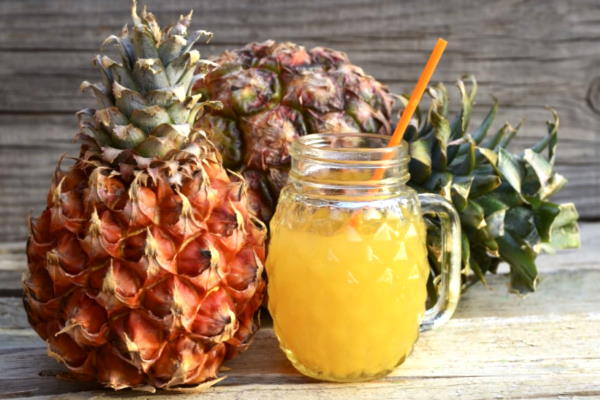
Can Babies Eat Pineapple?
Yes, from around 6 months. Fresh, ripe pineapple is sweet, juicy and loaded with vitamin C. It's also fairly acidic, so a red patch around the mouth is common and harmless. Cut it small and soft, and lose the tough core.
Pineapple is a bit of a party trick fruit. Bright, sweet, a little sharp, and babies tend to make an excellent face at the first taste. It's a great source of vitamin C. The catch is the acidity, plus a tough core and skin you'll need to deal with first.
What is a pineapple?
A pineapple is a tropical fruit with spiky skin on the outside and sweet, golden flesh inside. Despite the name, it is not related to pine or apples at all. The flesh surrounds a firm central core that is too tough for babies.
That sharp, sweet flavour softens when you mix it with something creamy. Blend pineapple with banana to take the edge off, which is a good move for a baby who is not sure about the tang.
Pineapple nutrition for babies
Pineapple is a vitamin C star, with manganese and a little fibre alongside.
| Nutrient | Per 100 g (fresh) |
|---|---|
| Energy | 50 kcal |
| Carbohydrate | 13 g |
| of which sugars | 10 g |
| Fibre | 1.4 g |
| Protein | 0.5 g |
| Vitamin C | 48 mg |
| Manganese | 0.9 mg |
Typical values for fresh pineapple. Source: USDA FoodData Central.
When can babies eat pineapple?
Pineapple can start from around 6 months. Keep the pieces small and soft, and adjust as your baby grows:
Mash very ripe pineapple, or hand over a thin, soft strip your baby can hold and chew. Skin and core off first, always.
Cut soft pineapple into small, bite-sized pieces once your baby is picking things up and gumming them well.
Tip: a smear of plain barrier cream around the mouth before pineapple can save your baby from that acid rash. And a bib. Honestly, two bibs.
Health benefits of pineapple for babies
Vitamin C
Pineapple is packed with vitamin C, which supports the immune system and helps iron get absorbed.
Fibre
There's a little fibre in each serving, which lends a hand to digestion.
Hydration
Pineapple is mostly water, so it is a refreshing, juicy option on a warm day.
Pineapple loves company. Stir it through yogurt, or blend it with softer fruit like mango for a smoother, less sharp mix your baby may prefer.
How to serve pineapple safely
Do
- Use ripe, sweet, fresh pineapple.
- Remove the skin and the tough core.
- Cut it small and soft.
- Wipe your baby's face after eating.
Avoid
- The hard central core, which is a choking risk.
- Under-ripe pineapple, which is very sharp.
- Canned pineapple in sugary syrup.
- Big firm chunks for young babies.
Risks and safety
Pineapple is not a common allergen, so the day-to-day issues are the acid rash and the choking risk from firm chunks or the core. The rash looks alarming and usually is not. Keep pieces small and soft, and you have covered the main worry.
A varied plate: pineapple is a nice extra, not a main event. The NHS has solid guidance on weaning and offering a range of foods, so serve pineapple alongside vegetables, grains and protein.
Easy pineapple recipe (6 months)
Pineapple and banana baby mash
Makes 2 baby portions, from 6 monthsIngredients
- 2 rings of ripe fresh pineapple, core removed
- 1/2 ripe banana
Method
- Cut the skin and the hard central core off the pineapple, then chop the soft flesh.
- Add the peeled banana and blend or mash until smooth.
- Serve straight away, and wipe your baby's face afterwards to settle any acid rash.
Pineapple FAQ
When can babies eat pineapple?
From around 6 months, cut into small soft pieces or mashed. Use ripe fresh pineapple, take off the skin and the hard core, and do not be surprised by a harmless rash around the mouth from the acidity.
Does pineapple cause a rash?
It can. Pineapple is acidic and has an enzyme called bromelain, and both can leave a red patch or a tingly feeling around a baby's mouth. That is usually harmless and fades fast. Hives, swelling or any breathing trouble are different, and need urgent help.
Can babies eat canned pineapple?
Fresh is best. If you reach for canned, pick pineapple in its own juice rather than syrup, drain it well and cut it small. The sugary syrup versions are worth skipping.
Is pineapple good for babies?
Yes. It is high in vitamin C, which supports the immune system and helps the body take up iron, and it brings a little fibre. Serve it as one of several fruits across the week.
Sources
- Pineapple, Wikipedia.
- FoodData Central, U.S. Department of Agriculture.
- Weaning and feeding, National Health Service (UK).
This article is general information, not medical advice. Every baby is different. Talk to your doctor, health visitor or paediatrician about your own baby, and about starting solids or any allergy concerns.