Can Babies Eat Cheese?
Yes, and it's a bit of a win. Babies can have cheese from around 6 months. Stick to full-fat, pasteurised, milder cheeses like cheddar, and grate or melt them into food so they go down easily. A few cheeses sit this one out for now, and we'll get to those.
Cheese makes life easier. It's quick, it's loaded with calcium and protein, and most babies are instant fans. There are just three things to keep straight: pick the right cheeses, go easy on the salt, and serve it in a shape that isn't a choking risk. Sort those out and cheese becomes one of your most useful staples.
What is cheese?
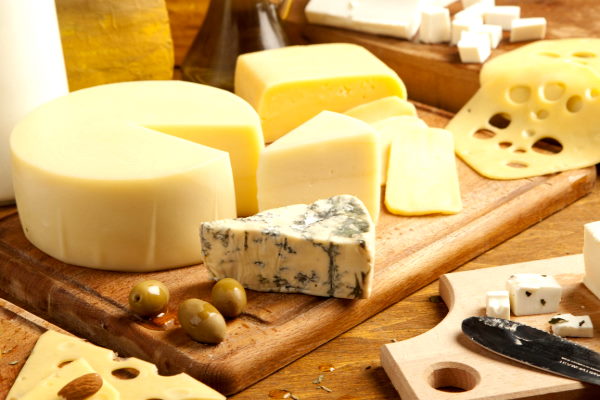
Cheese is milk that has been curdled and had most of its liquid drained away, leaving the solid part behind. From there it can be soft and fresh or hard and aged, and that's where the hundreds of varieties come from. For a baby, the type you pick matters more than you might expect.
If your baby is already a fan of yogurt, cheese is an easy next dairy food to try. A little grated cheddar melted into a vegetable mash is usually a hit.
Cheese nutrition for babies
Cheese is small but mighty. It packs calcium, protein and fat into a tiny portion, which suits little tummies. It also carries salt, so the sodium line is worth a look.
| Nutrient | Per 100 g (cheddar) |
|---|---|
| Energy | 403 kcal |
| Protein | 25 g |
| Fat | 33 g |
| Carbohydrate | 1.3 g |
| Calcium | 721 mg |
| Sodium | 621 mg |
Typical values for cheddar. Source: USDA FoodData Central.
When can babies eat cheese?
Cheese can join the menu from around 6 months. How you serve it changes as your baby gets more capable:
Grate mild cheddar over soft food, or melt a little into a vegetable mash. Melted cheese turns stringy fast, so keep the amount small.
Now you can offer thin strips or small soft cubes of mild cheese as finger food. Expect some to end up in the hair.
Health benefits of cheese for babies
Calcium
Cheese is rich in calcium, which babies use to build strong bones and teeth.
Protein
It delivers good-quality protein for steady growth, all in a small serving.
Energy in a little
The fat in full-fat cheese gives concentrated energy, handy when appetites are tiny.
Cheese also earns its keep as a flavour booster. A pinch of grated cheddar can turn a plain bowl of vegetables into something your baby actually wants to eat.
How to serve cheese safely
Do
- Choose full-fat, pasteurised, milder cheeses.
- Grate or melt it for young babies.
- Offer thin strips or small cubes once your baby can pick things up.
- Check the label and lean towards lower-salt options.
Avoid
- Soft mould-ripened cheeses like brie and camembert, and blue cheese, unless cooked right through.
- Very salty or heavily processed cheeses.
- Big rubbery chunks, which are hard to chew.
- Adding any extra salt.
Risks and safety
Two things to keep in mind. First, salt: cheese has plenty and babies need barely any, so small portions win. Second, the cheese itself: soft mould-ripened and blue cheeses carry a small listeria risk and a lot of salt, so save those unless they are cooked through. Cow's milk is also a common allergen, so if dairy has caused a reaction before, get advice first.
Keep salt low: babies should have very little salt, and cheese is one of the saltier foods in the fridge. Serve small amounts and pick milder, lower-salt types. The NHS has more on weaning and which cheeses suit babies.
Easy cheese recipe (6 months)
Cheesy vegetable mash for baby
Makes 2 baby portions, from 6 monthsIngredients
- 1 small potato
- 1 small carrot
- 1 tbsp grated mild cheddar
- Splash of whole milk
Method
- Peel and chop the potato and carrot into small pieces.
- Steam or boil them until very soft, then mash with a splash of milk.
- Stir the grated cheese through while the mash is warm so it melts in, then cool before serving.
Cheese FAQ
When can babies eat cheese?
Cheese is fine from around 6 months. Go for full-fat, pasteurised, milder cheeses like cheddar, and grate or melt them into food so they are easy to eat.
What cheese is safest for babies?
Mild, full-fat, pasteurised, lower-salt cheeses are best, so think cheddar, edam or mozzarella. Skip soft mould-ripened cheeses like brie and camembert, and blue cheeses, unless they are cooked right through.
Is cheese too salty for babies?
Cheese does carry salt, and babies need very little, so keep portions small and treat it as a topping rather than a main event. Choosing lower-salt cheeses helps a lot.
Can cheese cause an allergy in babies?
Cheese is made from milk, and cow's milk is one of the common allergens. Most babies handle cheese well, but if your baby has reacted to dairy before, check with your doctor first.
Sources
- Cheese, Wikipedia.
- FoodData Central, U.S. Department of Agriculture.
- Weaning and feeding, National Health Service (UK).
This article is general information, not medical advice. Every baby is different. Talk to your doctor, health visitor or paediatrician about your own baby, and about starting solids or any allergy concerns.