Can Babies Eat Pasta?
Yes. Pasta is a winner from around 6 months. Cook it soft, serve big shapes for grabbing or small pieces for spoon-fed babies, and keep the sauce low in salt. Expect it in the hair. It always ends up in the hair.
Few foods are as baby-friendly as a bowl of soft pasta. It is cheap, quick and endlessly flexible, and it doubles as a first lesson in self-feeding. Cook it soft, keep the salt down, and you are basically done. The clean-up is another story.
What is pasta?
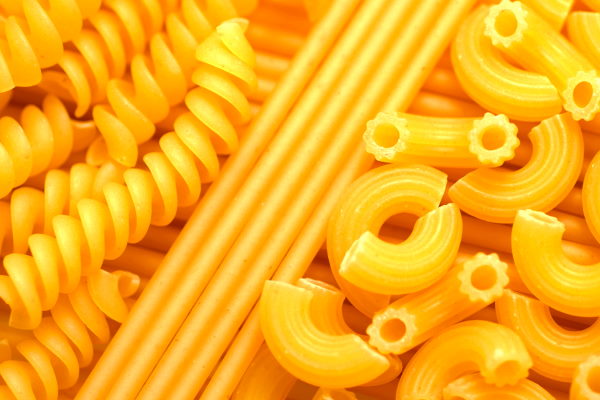
Pasta is a simple dough of wheat and water, sometimes with egg, shaped and then cooked in boiling water. It comes in hundreds of shapes, from tiny stars to big shells. For babies, the softer and chunkier, the easier.
Pasta loves a sauce, and that is where the goodness usually hides. Blend a ripe tomato into a smooth sauce, or stir through a little soft vegetable so it is more than plain carbs.
Pasta nutrition for babies
Pasta is mainly carbohydrate for energy, with a bit of protein and fibre, and wholewheat adds more fibre again.
| Nutrient | Per 100 g (cooked) |
|---|---|
| Energy | 131 kcal |
| Carbohydrate | 25 g |
| Protein | 5 g |
| Fibre | 1.8 g |
| Fat | 1.1 g |
Typical values for cooked pasta. Source: USDA FoodData Central.
When can babies eat pasta?
Pasta can start from around 6 months. The shape and size are what change as your baby gets more confident:
Cook large shapes very soft for baby-led weaning, or cut smaller pieces for spoon feeding. A smooth sauce helps it all go down.
As the pincer grip arrives, small soft pasta pieces are perfect finger-food practice.
Most toddlers can share the family pasta now, though creamy ones such as vodka sauce need a second look. Keep sauces low in salt and cut long strands shorter.
Tip: a smooth vegetable sauce is the easiest way to sneak veg past a suspicious baby. Blend it right in and no one is any the wiser.
Health benefits of pasta for babies
Energy
Pasta is a soft source of carbohydrate, giving babies steady fuel to grow and move.
Self-feeding practice
Soft shapes are ideal for learning to grab, hold and self-feed, mess and all.
A carrier for more
Pasta happily takes on vegetables, cheese and protein, so it is easy to build a balanced meal around it.
Bulk out a pasta bowl and it becomes a proper meal. Melt in a little cheese, stir through soft spinach, or add some mashed lentils for protein and iron.
How to serve pasta safely
Do
- Cook pasta soft, past the packet time.
- Use big shapes for grabbing or cut small pieces.
- Keep sauces low in salt.
- Cut long strands into shorter lengths.
Avoid
- Firm, undercooked pasta.
- Salty jarred sauces and added stock.
- Big forkfuls of long spaghetti in one go.
- Leaving your baby to eat unwatched.
Risks and safety
Pasta is soft and low risk once cooked well, so the main jobs are to cook it properly soft and to keep the sauce gentle on salt. Watch long strands, which are easier to stuff in all at once, and cut them shorter for young eaters.
Salt and weaning: the NHS sets out how little salt babies need and how to build up finger foods, which is handy once pasta night becomes a regular fixture.
Easy pasta recipe (6 months)
Soft pasta with vegetable sauce
Makes 2 baby portions, from 6 monthsIngredients
- A small handful of pasta shapes
- 1 ripe tomato, skin removed
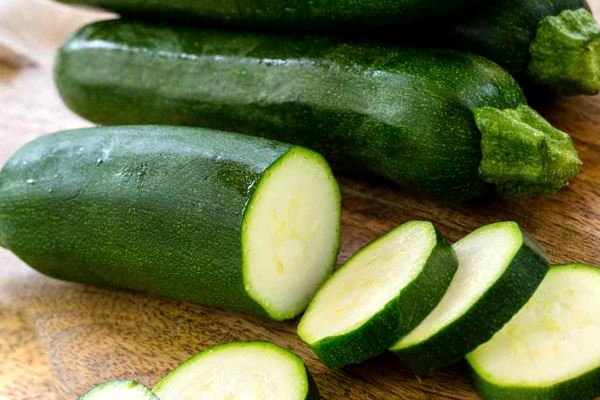
- A little soft cooked vegetable, such as courgette
- 1 tsp grated mild cheese (optional)
Method
- Cook the pasta until very soft, a couple of minutes past the packet time.
- Blend or mash the tomato and cooked vegetable into a smooth sauce.
- Stir the sauce through the drained pasta, add the cheese if using, cool to a safe temperature, and cut into small pieces for younger babies.
Pasta FAQ
When can babies eat pasta?
Pasta suits babies from around 6 months. Cook it well past al dente so it is really soft, then serve big shapes for grabbing or cut it into small pieces. Keep any sauce low in salt.
What pasta shapes are best for babies?
Chunky shapes like fusilli, penne and large shells are easy for little hands to hold once soft. For younger babies, cut them small. Long, thin spaghetti is trickier and gets everywhere, but it is safe when soft.
Does pasta contain allergens?
Most pasta is made from wheat, so it contains gluten, and many fresh pastas also contain egg. That makes it a handy way to introduce those foods. Check the packet if your family avoids any of them.
Can babies have wholewheat pasta?
Yes. Wholewheat pasta adds a bit more fibre and works well for babies, as long as you cook it soft. Mixing it with a smooth vegetable sauce helps if the texture feels heavy at first.
Sources
- Pasta, Wikipedia.
- FoodData Central, U.S. Department of Agriculture.
- Weaning and feeding, National Health Service (UK).
This article is general information, not medical advice. Every baby is different. Talk to your doctor, health visitor or paediatrician about your own baby, and about starting solids or any allergy concerns.