Can Babies Eat Seaweed?
Small amounts of the mild types from 6 months, and not every day. Seaweed is genuinely nutritious, and it is also the one food where a normal looking portion can deliver many times a child's daily iodine limit. Nori is the safe everyday choice. Kombu and kelp are not, and hijiki is best skipped entirely because of arsenic.
Seaweed is unusual on this site, because most foods are either fine or not, and the amount is a detail. With seaweed the amount is the entire story. It is nutritionally impressive, and the same concentration that makes it impressive is what makes a large portion a problem. The good news is that the type you are most likely to have at home, nori, is also the gentlest. It belongs with the store cupboard ingredients you use by the pinch.
The main types, ranked by caution
Not all seaweed behaves the same, and the differences are large enough to matter:
Fine in small amounts
Skip for young children
- Kombu and kelp, extremely high in iodine
- Hijiki, which accumulates inorganic arsenic
- Kelp supplements and powders of any kind
- Seaweed harvested from unknown or polluted waters
- Anything eaten daily rather than occasionally
What is seaweed?
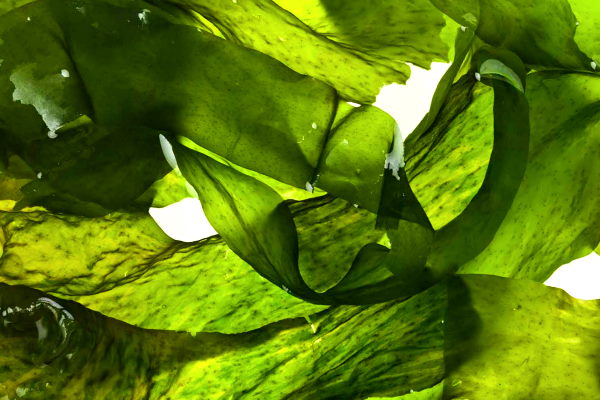
Seaweed is a broad term for edible marine algae, divided into red, green and brown groups. Nori is a red alga, wakame and kombu are brown, sea lettuce is green. They absorb minerals directly from seawater, which is why they concentrate iodine, and also why the water they grow in matters.
If you want a practical everyday option, our nori page has a rice finger recipe that works from six months.
Iodine by seaweed type
This table is the whole argument. Note the scale of the difference:
| Seaweed | Iodine per gram (dried) | Suitable for young children |
|---|---|---|
| Nori | 10 to 40 mcg | Yes, small amounts |
| Dulse | 50 to 100 mcg | Occasionally |
| Wakame | 100 to 200 mcg | Occasionally, small |
| Kombu / kelp | 1500 to 8000 mcg | No |
| Hijiki | Varies, plus arsenic | No, at any age |
Iodine varies widely with species, season and harvest location. Daily needs for infants are roughly 90 to 130 mcg. Source: USDA FoodData Central.
When and how much
Frequency matters more than any single serving here:
Torn into rice or wrapped around soft food. A sheet weighs about 3 g, so a portion of it is a modest iodine dose.
Keep it occasional rather than daily. Skip kombu, kelp and hijiki entirely, including in stocks and broths, where kombu is a common base.
Small amounts of wakame in soup become reasonable. Salted seaweed snacks are workable once the salt allowance rises, but check labels.
Watch out for hidden kombu: dashi, the Japanese stock behind miso soup and many noodle broths, is usually made with kombu. That means a bowl of miso soup can carry a lot more iodine than the seaweed flakes floating in it suggest. Worth knowing if your family eats Japanese food regularly.
Risks and safety
Iodine is the one to understand properly, because both directions are a problem. Babies need iodine for thyroid hormones and brain development, and deficiency is a serious global health issue. But excess iodine can also suppress or overstimulate the thyroid, and in infants that matters. The unusual thing about seaweed is how easily a small amount of the wrong type crosses that line, when almost no other food can.
Two other points. Hijiki is best avoided by everyone, not only children, because it takes up inorganic arsenic from seawater, and several food safety agencies advise against eating it. And because seaweed absorbs whatever is in the water, buy from a reputable source rather than harvesting it yourself. If your child has any thyroid condition, or is on thyroid medication, talk to your doctor before giving seaweed at all. The World Health Organization has background on iodine and health.
Seaweed FAQ
Can babies eat seaweed?
Small amounts of the milder types, such as nori, from around 6 months. Seaweed is the one food group where it is genuinely easy to overshoot the safe iodine limit, and too much iodine disrupts the thyroid just as too little does. Occasional small servings are fine, daily seaweed is not.
Which seaweeds should babies avoid?
Kombu and kelp are the ones to skip, because their iodine content is enormous, sometimes thousands of times higher than nori. Hijiki is best avoided at any age because it accumulates inorganic arsenic. Nori is the mildest, and wakame sits in between.
How much iodine is too much for a baby?
Requirements are around 90 to 130 mcg a day for infants and young children, and tolerable upper limits sit around 200 to 300 mcg for that age group. A single gram of kombu can carry several thousand micrograms, which is why portion size matters so much more with seaweed than with other foods.
Is seaweed in baby snacks safe?
Usually yes in the quantities used, since most are made from nori. Check two things on the label: which seaweed it is, and the salt content, since roasted seaweed snacks are often salted and oiled. Avoid anything listing kelp, kombu or hijiki for a young child.
Sources
- Edible seaweed, Wikipedia.
- Iodine deficiency, World Health Organization.
- FoodData Central, U.S. Department of Agriculture.
This article is general information, not medical advice. Every baby is different. Talk to your doctor, health visitor or paediatrician about your own baby, and about starting solids or any allergy concerns.