Can Babies Eat Lemons?
A squeeze in cooking, from 6 months. Not as a drink, and not as a wedge to suck. Lemon is genuinely useful in baby food: it lifts flavour without salt, and the vitamin C meaningfully improves iron absorption from plant foods. What it should not be is a party trick or a diluted drink sipped through the day.
Lemon earns its place in a baby's food for a reason most people do not think of. Iron is the nutrient most likely to fall short after six months, plant iron is poorly absorbed, and vitamin C changes that substantially. A squeeze of lemon over lentils is not a garnish, it is doing something. The rest of this page is about what not to do with it.
Why vitamin C matters here
Iron from plants, called non-heme iron, is absorbed far less efficiently than iron from meat. Vitamin C eaten at the same meal converts it to a more absorbable form, and studies have shown the effect can be substantial. That makes lemon a genuinely useful partner for lentils, beans, spinach and fortified cereal.
Our lentils and spinach pages cover the iron rich foods lemon pairs best with, and oranges the gentler citrus option.
Lemon nutrition
Used a squeeze at a time, so the per fruit column is the practical one.
| Nutrient | Per 100 g juice | Per squeeze (5 ml) |
|---|---|---|
| Energy | 22 kcal | 1 kcal |
| Vitamin C | 39 mg | 2 mg |
| Citric acid | Around 5 g | 0.25 g |
| Sugars | 2.5 g | 0.1 g |
| Potassium | 103 mg | 5 mg |
| Salt | Trace | Trace |
Typical values for fresh lemon juice. Even a small squeeze contributes useful vitamin C at a meal. Source: USDA FoodData Central.
Good uses and bad ones
The distinction is between lemon in food and lemon on its own:
Do
- Squeeze over lentils, beans or spinach to help iron absorption
- Stir into a yogurt dip or a vegetable mash
- Use zest in baking for flavour without acidity
- Add to avocado to stop it browning
- Serve it as part of a meal rather than between meals
Do not
- Give a lemon wedge to suck for the reaction
- Offer diluted lemon water as a drink
- Use lemon juice as a remedy for anything
- Let a baby sip anything acidic slowly over time
- Give whole lemon slices, since the peel and pith are tough
Acid exposure is about frequency, not amount: a squeeze swallowed with a meal barely registers. Diluted lemon water sipped across an afternoon keeps teeth in contact with acid for hours, which is what softens enamel. The same principle appears on our vinegar page, and it is the reason drinks are treated more strictly than food.
Using lemon by age
Small amounts in food throughout, with the form changing little:
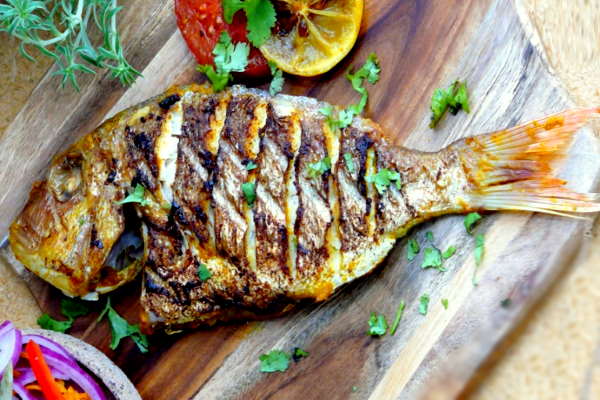
Over lentils, fish or vegetables. Start with a small amount, since some babies find sourness startling at first even in a mild dose.
Lemon zest in baking and a lemon and yogurt dressing over vegetables both work well and are gentler than neat juice.
No particular restriction in cooking. Lemonade and lemon squash follow the added sugar guidance rather than anything specific to lemons.
Lemony lentils
The lemon goes in at the end, off the heat, which preserves more of the vitamin C:
Lemony lentils for iron absorption
Makes 4 baby portions, from 6 monthsIngredients
- 100 g red lentils, rinsed
- 400 ml water or no salt stock
- Half a small onion, finely chopped
- 1 teaspoon olive oil
- Quarter teaspoon ground cumin
- A squeeze of lemon juice
Method
- Soften the onion in the olive oil for 8 minutes, then stir in the cumin.
- Add the lentils and liquid and simmer for 20 to 25 minutes until they collapse.
- Mash or blend to the texture your baby needs.
- Stir in the lemon juice at the end, off the heat, and cool before serving.
Risks and safety
Citrus allergy is uncommon, though it happens. Far more common is a red ring or rash around the mouth after contact with acidic fruit, which is irritation rather than allergy and settles within an hour or two, the same effect described on our tomato sauce page.
Two other points. Tooth enamel erosion is a real consequence of frequent acid exposure, which is why lemon belongs in food rather than in a sipped drink. And there is a less obvious one worth knowing: lemon and lime juice on skin exposed to sunlight can cause a burn like reaction called phytophotodermatitis, which shows up as a rash or blistering hours later. If you are squeezing lemons outdoors in summer, wipe sticky hands and faces afterwards.
Lemons FAQ
Can babies eat lemons?
A squeeze of juice or a little zest in cooking, yes, from around 6 months. Lemon lifts the flavour of food without salt, and the vitamin C helps iron absorption when served alongside iron rich meals. What is not appropriate is lemon juice as a drink or a baby sucking on a wedge.
Is it bad to let a baby suck a lemon?
It is not dangerous, but it is not a good idea either. The videos are popular and the reaction is funny to adults, though it is a reaction to something genuinely unpleasant. Practically, concentrated acid on the gums and teeth can irritate and erode, and a bad first experience can put a baby off new tastes.
Can lemon juice damage a baby's teeth?
Repeated exposure can. Lemon juice is strongly acidic and acid softens tooth enamel, which matters most in newly erupted teeth. A squeeze mixed into food and swallowed with a meal is a very different exposure from sipping diluted lemon water through the day, which is the pattern that causes erosion.
Does lemon help a baby absorb iron?
Yes, and it is a genuinely useful trick. Vitamin C substantially improves absorption of non-heme iron, the type found in lentils, beans, spinach and fortified cereals. A squeeze of lemon over a lentil dish or a spinach mash does real work, which is a better reason to use it than flavour alone.
Sources
- Lemon, Wikipedia.
- Feeding and Nutrition, American Academy of Pediatrics.
- FoodData Central, U.S. Department of Agriculture.
This article is general information, not medical advice. Every baby is different. Talk to your doctor, health visitor or paediatrician about your own baby, and about starting solids or any allergy concerns.