Can Babies Eat Beans?
Yes. Beans are a brilliant early food from around 7 months. Cook them until very soft and mash or puree them, because a whole bean is the wrong size and shape for a small airway. They bring protein and iron, which makes them a star of vegetarian meals. A little extra wind afterwards is normal, by the way.
Beans do a lot for very little money. They are filling, they are cheap, and they carry protein, fibre and iron all at once. For babies, the whole game is texture: cook them soft and mash them well. Here is when to start beans, how to serve them at each stage, and a simple mash to get you going.
What are beans?
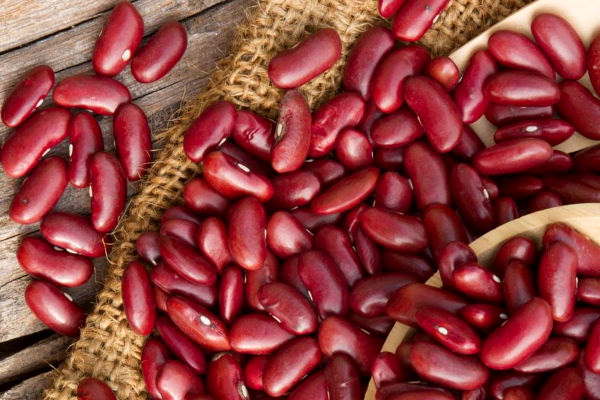
Beans are the edible seeds of legume plants, and there are loads of them: kidney, cannellini, black, butter, pinto and more. They come dried or canned, and both are fine as long as they are cooked soft. Some, like kidney beans, must be cooked thoroughly before eating, so canned or fully cooked is the safe route.
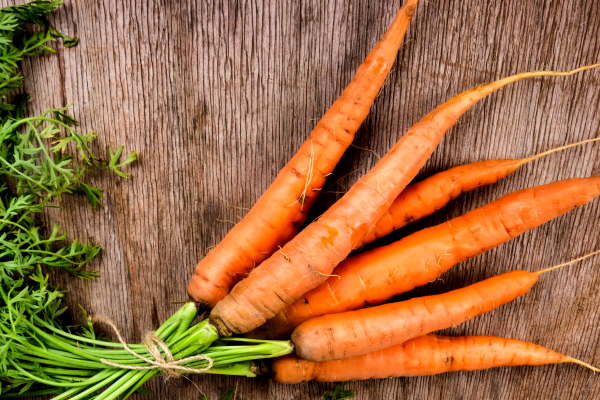
Beans have a soft, mild flavour once cooked, so they blend into all sorts of meals. Mash them with carrot or sweet yam, or stir them into a mild tomato sauce for a proper little dinner.
Bean nutrition for babies
Beans are a plant-protein powerhouse. They also bring iron, fibre and folate, which is why they matter so much in meat-free diets.
| Nutrient | Per 100 g (cooked) |
|---|---|
| Energy | 127 kcal |
| Protein | 8.7 g |
| Carbohydrate | 22.8 g |
| Fibre | 6.4 g |
| Iron | 2.9 mg |
| Folate | 130 mcg |
Typical values for cooked beans. Source: USDA FoodData Central.
When can babies eat beans?
Beans suit babies from around 7 months, once first tastes are going well. Keep them soft, and change the texture as your baby grows:
Cook beans until very soft, then mash or puree them, slipping off loose skins for a smoother finish.
Offer lightly mashed beans, or whole very soft beans your baby can squash. Keep watching as they practise.
Beans go into chilli, stews, dips and salads now. Keep the salt low and let them do their filling, hearty thing.
Tip: beans pair well with iron helpers. Serve them with a little fruit or a vitamin C rich vegetable, and your baby will absorb more of that plant iron.
Health benefits of beans for babies
Plant protein
Beans give the protein babies need for growth, which is a big help in vegetarian and vegan diets.
Iron
They are a useful source of iron, which babies need in larger amounts from 6 months onward.
Fibre
The fibre in beans supports healthy digestion and keeps bowel movements comfortable and regular.
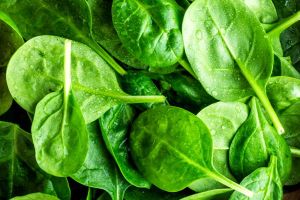
Beans are a great teammate for other iron-rich foods. Combine them with lentils for a double hit of plant protein, or serve a spoonful alongside soft-cooked greens or okra.
How to serve beans safely
Do
- Cook beans until very soft.
- Mash or puree them for young babies.
- Rinse canned beans to wash off salt.
- Introduce them in small amounts at first.
Avoid
- Whole firm beans for young babies.
- Undercooked kidney beans, which must be cooked well.
- Adding salt.
- Baked beans in sugary, salty sauce.
Risks and safety
Beans are low on the allergy scale. The two things to watch are choking, which you solve by mashing them well, and salt, so rinse canned beans and skip salty sauces. A little wind is normal and harmless as your baby gets used to the fibre.
Variety and iron: the World Health Organization recommends a range of safe, nutritious foods from 6 months, so serve beans as one part of a varied, iron-friendly diet.
Easy bean recipe (7 months)
Mashed bean and vegetable for baby
Makes 3 baby portions, from 7 monthsIngredients
- 4 tbsp cooked beans, rinsed
- 1 small cooked carrot
- Water or unsalted stock to loosen
Method
- Make sure the beans and carrot are cooked really soft.
- Mash or blend them together until smooth, removing any loose skins.
- Loosen with a little water or unsalted stock, then cool before serving.
Bean FAQ
When can babies eat beans?
Babies can have beans from around 7 months, once they are handling first purees. Cook them until very soft and mash or puree them, since whole beans can be a choking risk.
Are beans good for babies?
Yes. Beans are a great plant source of protein, iron and fibre, which makes them handy for all babies and especially useful in vegetarian meals. Serve them with a vitamin C food to help iron absorption.
Do beans make babies gassy?
They can, and that is completely normal. Beans are high in fibre, so a bit of extra wind is no cause for worry. Introduce them in small amounts and your baby will adjust over time.
Can babies eat canned beans?
Yes, if you rinse them well to wash off the salt from the canning liquid, then cook them a little more until soft. Never add salt, and choose no-added-salt cans where you can.
Sources
- Bean, Wikipedia.
- FoodData Central, U.S. Department of Agriculture.
- Infant and young child feeding, World Health Organization.
This article is general information, not medical advice. Every baby is different. Talk to your doctor, health visitor or paediatrician about your own baby, and about starting solids or any allergy concerns.