Can Babies Eat Carrots?
Yes. Babies can have carrot from around 6 months, but cook it until soft first. Raw carrot is hard and a choking risk. Serve cooked carrot as a puree or as soft sticks for baby-led weaning. It is a sweet, popular first vegetable.
Carrot is a classic first vegetable. It is cheap, easy to cook and naturally sweet, which most babies like. The key point is texture, because raw carrot is a choking risk and needs cooking until soft. This guide covers when to start, how to serve it and a simple puree.
What is a carrot?
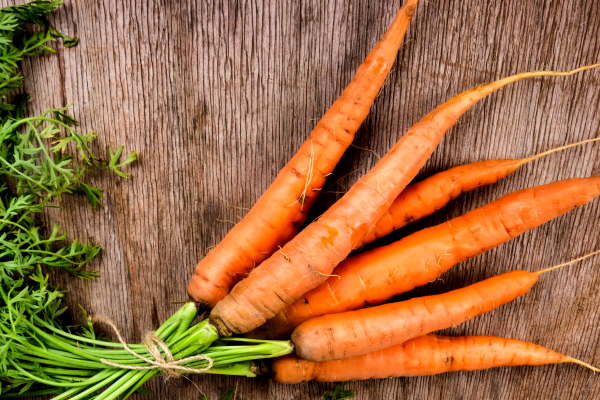
A carrot is a root vegetable, usually orange, that grows underground. It is crisp and sweet when raw and turns soft and sweeter when cooked. Carrots are eaten worldwide in both savoury and sweet dishes.
Cooked carrot has a mild, sweet taste that blends with many foods. Mix carrot puree with apple for a fruit and vegetable meal, or with mashed avocado for extra healthy fats.
Carrot nutrition for babies
Carrots are best known for beta-carotene, which the body turns into vitamin A. They also give fibre and potassium.
| Nutrient | Per 100 g (raw) |
|---|---|
| Energy | 41 kcal |
| Carbohydrate | 9.6 g |
| of which sugars | 4.7 g |
| Fibre | 2.8 g |
| Protein | 0.9 g |
| Vitamin A | 835 mcg |
| Potassium | 320 mg |
Values for raw carrot. Source: USDA FoodData Central.
When can babies eat carrots?
Carrot can start from around 6 months, always cooked soft for young babies. Change the form as your baby grows:
Steam carrot until soft, then puree it, or offer thick soft-cooked sticks your baby can hold.
Cut soft cooked carrot into small pieces that are easy to pick up and chew.
Older toddlers can manage finely grated raw carrot. Save raw carrot sticks for children who chew well and confidently.
Choking: raw carrot, including raw carrot sticks and coins, is a common choking hazard for young children. Cook carrot until soft for babies and toddlers, and stay with your baby while they eat.
Health benefits of carrots for babies
Vitamin A
Beta-carotene in carrots becomes vitamin A, which supports healthy eyes, skin and growth.
Fibre
Carrots add fibre, which supports digestion and helps keep bowel movements regular.
Sweet and mild
Cooked carrot is soft and gently sweet, which makes it an easy vegetable for babies to accept.
Carrot is a good base for mixed meals. Blend it with fruit, or serve it next to a soft protein food. For a sweeter pairing, mash cooked carrot with banana. Steamed zucchini blends in just as easily.
How to serve carrots safely
Do
- Peel and cook carrot until soft for young babies.
- Puree it or offer soft cooked sticks.
- Let it cool before serving.
- Serve it as part of a varied diet.
Avoid
- Raw carrot sticks or coins for babies and toddlers.
- Hard, undercooked pieces.
- Adding salt.
- Leaving your baby to eat alone.
Risks and safety
Carrot is low on the allergy scale, so the main risk is choking on raw or hard pieces, which cooking solves. Like other root vegetables, carrot contains natural nitrates, but this is not a concern for babies over 6 months who eat a varied diet.
Starting solids: introduce carrot on its own and watch how your baby responds. The NHS has clear advice on weaning and safe finger foods.
Easy carrot recipe (6 months)
Carrot puree for baby
Makes 3 baby portions, from 6 monthsIngredients
- 2 medium carrots
- Water for steaming
Method
- Peel the carrots and chop them into small, even pieces.
- Steam or boil them for about 12 minutes, until soft enough to mash easily.
- Blend to a smooth puree, adding a little cooking water to loosen it, then cool before serving.
Carrot FAQ
When can babies eat carrots?
Babies can have carrot from around 6 months. Cook it until soft first, because raw carrot is hard and a choking risk. Serve it as a puree or as soft cooked sticks for baby-led weaning.
Can babies eat raw carrot?
Raw carrot is hard and can break into firm pieces, so it is a choking risk for babies and toddlers. Cook carrot until soft for young children, and save raw carrot sticks for older children who chew well.
Are carrots good for babies?
Yes. Carrots are a good source of vitamin A from beta-carotene, which supports healthy eyes and skin, and they add fibre. Their gentle sweetness makes them a popular first vegetable.
How do you cook carrots for a baby?
Peel and chop the carrot, then steam or boil it until soft enough to mash with a fork. Blend it for a smooth puree, or leave soft cooked sticks for finger feeding.
Sources
- Carrot, Wikipedia.
- FoodData Central, U.S. Department of Agriculture.
- Weaning and feeding, National Health Service (UK).
This article is general information, not medical advice. Every baby is different. Talk to your doctor, health visitor or paediatrician about your own baby, and about starting solids or any allergy concerns.