Can Babies Eat Figs?
Yes. From around 6 months, a ripe fresh fig is soft enough to mash, and it makes a lovely early fruit. Whole dried figs are a different story, since they are sticky and chewy. One heads up: figs are full of fibre, so do not be surprised if nappies get busier.
Figs look fancy, but they could hardly be easier for a baby. A ripe one is basically jam in a skin. The catch is the difference between fresh and dried, and that is really the whole trick with figs. Here is when to start, how to serve them and a two minute recipe.
What is a fig?
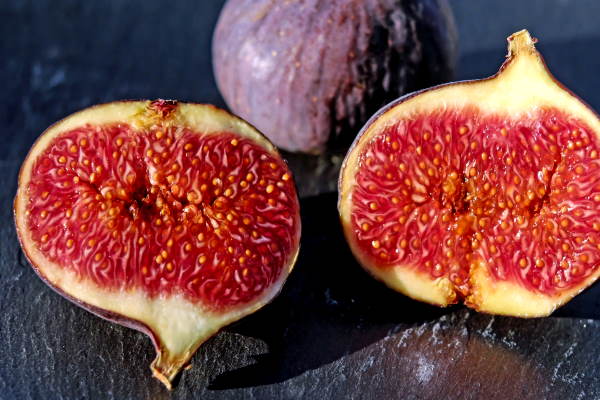
A fig is the soft, sweet fruit of the fig tree. Inside the thin skin is jammy pink flesh dotted with tiny edible seeds. Figs are eaten fresh in late summer, and dried for the rest of the year.
That jammy softness makes figs a natural mixing partner. Swirl mashed fig into yogurt, or stir it through warm oatmeal for a slightly grown up breakfast.
Fig nutrition for babies
Figs bring fibre, natural sugars and a little calcium and potassium.
| Nutrient | Per 100 g (fresh) |
|---|---|
| Energy | 74 kcal |
| Carbohydrate | 19.2 g |
| of which sugars | 16.3 g |
| Fibre | 2.9 g |
| Protein | 0.8 g |
| Calcium | 35 mg |
| Potassium | 232 mg |
Typical values for fresh figs. Source: USDA FoodData Central.
When can babies eat figs?
Fresh figs can start from around 6 months. The texture you serve just needs to grow up alongside your baby:
Peel a ripe fig, pull off the stem and mash it, or hand over a soft strip your baby can grip. Expect a purple face. That is part of the fun.
Cut ripe fig into small pieces for picking up. Still fresh figs at this stage, not dried.
Now you can offer finely chopped dried fig too, in the same way as raisins. Keep the pieces small and watch closely, because dried fig is sticky.
Tip: a ripe fig gives when you squeeze it gently and may have a little split in the skin. A rock hard fig will be bland and grainy, so let it soften on the counter first.
Health benefits of figs for babies
Fibre
Figs are one of the more fibre rich fruits, so they support digestion and can gently ease constipation.
Calcium
Figs give a little calcium, which babies use to build strong bones and teeth.
Naturally sweet
That honey like sweetness means most babies take to figs quickly, with no need to add anything.
Because figs are sweet and soft, they play nicely with milder foods. Mash one with banana for a fuss free bowl, or explore more first fruits in our fruits guide.
How to serve figs safely
Do
- Use ripe, soft fresh figs.
- Pull off the tough stem before serving.
- Mash or cut them small for young babies.
- Introduce them on their own the first time.
Avoid
- Whole dried figs, which are sticky and chewy.
- Hard, under-ripe figs.
- Adding any sugar or syrup.
- Leaving your baby to eat alone.
Risks and safety
Fresh figs are low on the allergy scale and soft when ripe, so they are gentle for most babies. Dried figs are the thing to watch. They are sticky, chewy and easy to choke on, so keep them for older babies and always chop them small. And that generous fibre? It can loosen stools, so go easy at first.
New foods: offer fig on its own and wait a day or two before the next new food. The NHS has clear, practical advice on weaning and safe first foods.
Easy fig recipe (6 months)
Fig and yogurt baby mash
Makes 2 baby portions, from 6 monthsIngredients
- 2 ripe fresh figs
- 3 tbsp plain whole milk yogurt
Method
- Pull off the tough stem and peel the figs if the skin is thick.
- Mash the soft flesh with a fork until there are no stringy bits.
- Stir the fig through the yogurt and serve it straight away.
Fig FAQ
When can babies eat figs?
From around 6 months, once your baby has started solids. A ripe fresh fig is soft enough to mash with a fork, which makes it an easy first fruit.
Are dried figs safe for babies?
Not whole. Dried figs are chewy and sticky, so they are a choking risk and they are much higher in sugar. If you use them, chop them very small or blend them into a puree.
Do figs help with constipation?
They can. Figs are high in fibre, so they often keep things moving. That is handy if your baby is a bit backed up, but it also means the odd surprise in the nappy.
Can figs cause an allergy?
A true fig allergy is uncommon. Some babies get a mild tingle or a little redness around the mouth from the natural fruit compounds. Offer it on its own the first time and keep an eye out.
Sources
- Fig, Wikipedia.
- FoodData Central, U.S. Department of Agriculture.
- Weaning and feeding, National Health Service (UK).
This article is general information, not medical advice. Every baby is different. Talk to your doctor, health visitor or paediatrician about your own baby, and about starting solids or any allergy concerns.