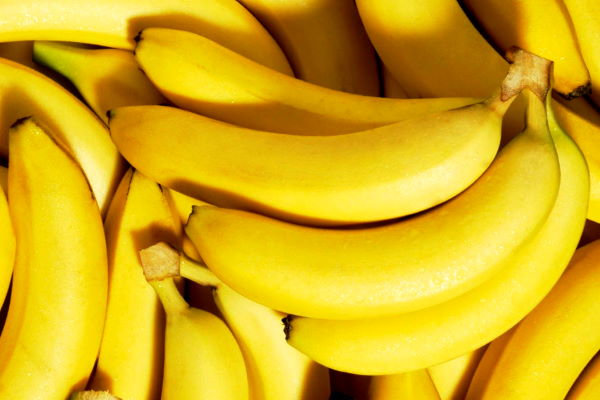
Can Babies Eat Banana?
Yes. Babies can start banana at around 6 months, once they are eating solids. Serve it fully ripe and mashed, or give a thick piece for baby-led weaning. Banana is soft, mild and rarely causes allergies, which is why so many parents use it as a first food.
Bananas are cheap, easy to carry and need no cooking, so they come in handy all through the first year. This guide covers when to give banana to your baby, how to serve it at each stage, the health benefits, the safety points and a simple recipe.
🍌 What is a banana?
A banana is the fruit of a plant in the genus Musa. The sweet dessert types are the ones we eat raw, while the starchy cooking types are usually called plantains. Bananas were first grown in New Guinea thousands of years ago and are now eaten across most of the world.
Ripe bananas are soft and sweet, so they are easy to mash for a baby. Banana also goes well with avocado in a quick meal that needs no cooking.
📊 Banana nutrition for babies
Banana gives your baby energy, potassium, vitamin B6 and vitamin C, plus a little fibre.
| Nutrient | Per 100 g (raw) |
|---|---|
| Energy | 89 kcal |
| Carbohydrate | 22.8 g |
| of which sugars | 12.2 g |
| Fibre | 2.6 g |
| Protein | 1.1 g |
| Fat | 0.3 g |
| Potassium | 358 mg |
| Vitamin B6 | 0.37 mg |
| Vitamin C | 8.7 mg |
Values for a raw banana. Source: USDA FoodData Central.
📅 When can babies eat banana?
Most babies are ready for solids at about 6 months, once they can sit up with support, hold their head steady and show interest in food. The way you serve banana changes as your baby grows:
Mash ripe banana with a fork, or give a whole peeled banana with the end broken off so your baby can hold it for baby-led weaning.
When your baby starts to pick up small things, cut banana into small pieces. Banana is slippery, so rolling the pieces in baby cereal makes them easier to hold.
Tip: banana is slippery and hard for small hands to grip. Leave part of the peel on as a handle, or roll the pieces in oatmeal or baby cereal so they are easier to hold.
💚 Health benefits of banana for babies
Quick energy
The natural sugars and carbohydrate in banana give your baby energy to grow and stay active.
Easy to digest
Ripe banana is gentle on the stomach and is often used to help settle loose stools.
Potassium
Banana is a good source of potassium, which the body uses for healthy muscles and nerves.
Banana is part of the BRAT diet, along with rice, apples and toast, which is sometimes used to settle a runny tummy, and it suits babies with reflux. The World Health Organization advises giving babies a range of safe, healthy solid foods from 6 months while you keep breastfeeding.
✅ How to serve banana safely
🎂 Do
- Use ripe, spotty bananas, which are softer and sweeter.
- Mash it well for the very first tastes.
- Give a thick piece or half-peeled banana for baby-led weaning.
- Stay close and keep your baby sitting up while they eat.
🚫 Avoid
- Large round chunks or firm coins for young babies.
- Green or unripe banana, which is firmer and can cause constipation.
- Adding sugar, and never give honey before 12 months.
- Leaving your baby to eat alone or in a car seat.
🛡 Risks and safety
Banana rarely causes allergies. Now and then a baby gets mild itching or tingling around the mouth. Give banana on its own the first time and watch how your baby reacts before you mix it with other foods.
Choking: match the texture to your baby's stage and stay with them while they eat. If you are not sure your baby is ready for solids, the American Academy of Pediatrics explains the signs to look for.
Because banana is mild and sweet, it works well mixed with sharper fruits such as strawberries once your baby has tried those on their own.
👨🍳 Easy banana recipe (6 months)
Baked banana and apricot puree
Makes 2 baby portions, from 6 monthsIngredients
- 1/2 cup dried apricots
- 1 ripe banana
- 1/4 tsp vanilla
- Optional: 1 drop maple syrup
Method
- Simmer the apricots in water or apple juice until soft, then blend them to a puree.
- Stir the vanilla, and the drop of maple syrup if you use it, into the apricot puree.
- Cut the banana in half lengthways, put each half on a piece of foil, spoon the apricot on top and fold the foil to seal it.
- Bake for 15 minutes in a preheated oven, let it cool, then mash or blend it to the texture your baby needs.
❓ Banana FAQ
When can babies eat banana?
Babies can have banana from around 6 months, when they start solids. Mash it well for the first tastes, or give a thick piece for baby-led weaning.
Is banana a good first food for babies?
Yes. Ripe banana is soft, sweet and rarely causes allergies, so it is a common first food. It is also part of the BRAT diet and suits babies with reflux.
Can babies eat unripe or green banana?
It is better to wait for fully ripe, spotty bananas. Green or unripe banana is firmer, harder to swallow and can cause constipation. Ripe banana is soft and easy to mash.
Can banana cause an allergic reaction in babies?
A real banana allergy is rare. Some babies get mild tingling or itching around the mouth. Give banana on its own the first time so you can watch how your baby reacts.