Can Babies Eat Honey?
No. Do not give honey before 12 months. This is one of the few hard rules of the first year. Honey can carry spores that lead to infant botulism, a serious illness, and that includes honey cooked or baked into food. After the first birthday, it's fine.
Honey feels wholesome and natural, so this one surprises a lot of parents. For a baby under one, though, it is genuinely off the menu. The reason is not sugar or allergy, it is a rare but serious illness called infant botulism. Here is the why, the what counts, and what to sweeten with instead.
What is honey?
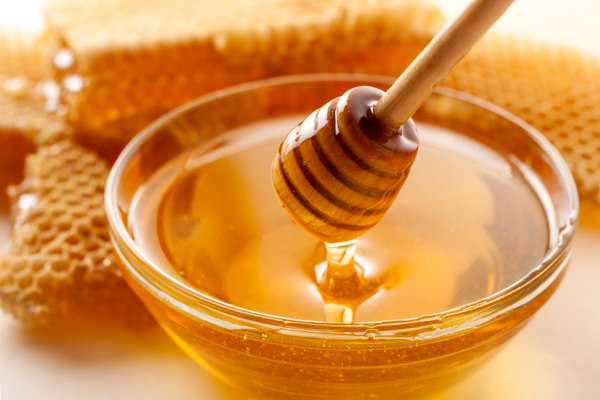
Honey is the sweet, sticky syrup that bees make from flower nectar and store in the honeycomb. It is mostly natural sugars, with tiny traces of vitamins and minerals. People use it as a sweetener, a spread and a home remedy for coughs in older children and adults.
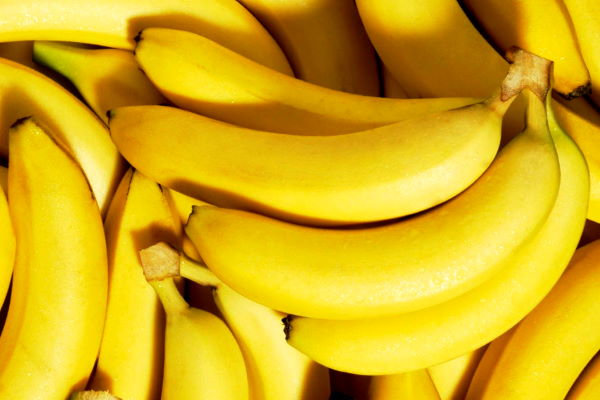
The good news is you lose nothing by waiting. Fruit does the sweetening job perfectly, so a spoon of mashed banana or a little date paste covers you until your baby turns one.
Honey nutrition (from 12 months)
For context, once your child is over one, here is roughly what honey brings to the table. It is essentially sugar, so it stays a treat rather than a staple.
| Nutrient | Per 100 g |
|---|---|
| Energy | 304 kcal |
| Carbohydrate | 82 g |
| of which sugars | 82 g |
| Protein | 0.3 g |
| Fat | 0 g |
| Water | 17 g |
Typical values for honey, for ages 12 months and up. Source: USDA FoodData Central.
When is honey safe?
The line is the first birthday. It is that simple, and it is worth being strict about:
None. Not raw, not pasteurised, not stirred into porridge, and not baked into cakes or biscuits. Check labels too, because honey turns up in a lot of cereals and snacks.
After the first birthday, a baby's gut can handle the spores, so honey is safe in moderation as an occasional sweet treat.
Honey is basically sugar, so keep it as a small extra rather than an everyday food, and mind those new teeth. The same goes for a spoon of jelly on toast.
Infant botulism: honey can contain spores that lead to this rare but serious illness in babies under one, and cooking does not destroy them. Watch for constipation, weak crying, poor feeding or a floppy baby, and seek medical help urgently if you see them. The Centers for Disease Control and Prevention advises no honey before 12 months.
Natural sweeteners to use instead
You really do not need honey to make baby food taste good. These fruity swaps add sweetness with zero risk:
Mashed banana
The classic. A ripe banana mashed into porridge or baking adds natural sweetness and it binds nicely too.
Date paste
Blend pitted dates into a smooth paste. It is intensely sweet, so a small spoon goes a long way.
Risks and safety
To be clear, honey is not dangerous because of choking or allergy, though a honey allergy can happen. The real reason to wait is infant botulism. It is rare, but it is serious, and it is entirely avoidable by simply holding off until 12 months.
Read the label: honey is a common ingredient in granola, cereal bars, some yogurts and baked goods. A quick label check before you share a bite keeps your under-one safe.
Honey FAQ
When can babies eat honey?
Not before 12 months. Honey can carry spores that cause infant botulism, a serious illness in babies under a year. After the first birthday a baby's gut can handle it, and honey is fine in moderation.
Does cooking or baking honey make it safe for babies?
No. The spores can survive normal cooking and baking temperatures, so honey in biscuits, cakes, cereal and cooked dishes is still off limits under 12 months. Check labels, since honey hides in a lot of products.
What is infant botulism?
It is a rare but serious illness caused by a toxin from bacteria that can grow in a baby's immature gut. Signs include constipation, weak crying, poor feeding and floppiness. If you are worried your baby has these, seek medical help straight away.
What can I use instead of honey for my baby?
Reach for fruit. Mashed banana, smooth date paste, apple puree or other fruit purees all add natural sweetness to porridge, yogurt and baking, with none of the risk.
Sources
- Honey, Wikipedia.
- FoodData Central, U.S. Department of Agriculture.
- Foods and Drinks for 6 to 24 Month Olds, Centers for Disease Control and Prevention.
This article is general information, not medical advice. Every baby is different. Talk to your doctor, health visitor or paediatrician about your own baby, and about starting solids or any allergy concerns.