Can Babies Eat Chocolate?
Wait until 24 months. Chocolate is not dangerous the way honey is, but it stacks three things a baby does not need: a lot of sugar, caffeine and theobromine. The stimulants are the part people forget. A baby clears them slowly, so a small piece in the afternoon can still be doing its work at bedtime.
Chocolate is usually the first thing a well meaning relative tries to sneak to a baby, and it is worth having a reason ready that is more convincing than "she's too little". The reason is that chocolate is a stimulant as well as a sweet, and small bodies handle stimulants badly. Sleep is the thing you will notice first.
What is chocolate?
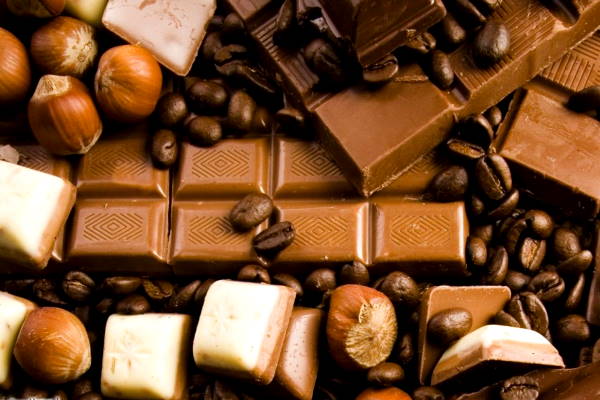
Chocolate is made from the fermented, roasted and ground seeds of the cacao tree, mixed with sugar and usually milk and extra cocoa butter. Dark chocolate has more cocoa solids and less sugar, milk chocolate the reverse, and white chocolate contains cocoa butter but no solids, so it has almost no caffeine and even more sugar.
If you want the treat feeling without the stimulants, mash a very ripe banana with a spoon of thick yogurt and a pinch of cinnamon. It looks like pudding and behaves like breakfast.
Chocolate nutrition
For context, plain milk chocolate breaks down like this, and the sugar line is the real headline.
| Nutrient | Per 100 g |
|---|---|
| Energy | 535 kcal |
| Carbohydrate | 59 g |
| of which sugars | 52 g |
| Fat | 30 g |
| Protein | 7.6 g |
| Caffeine | 20 mg |
| Theobromine | 205 mg |
Typical values for milk chocolate. Dark chocolate contains several times more caffeine and theobromine. Source: USDA FoodData Central.
When can babies eat chocolate?
There is no hard medical cutoff the way there is with honey, but the sensible line sits at two:
Nothing to gain. This is the window where every spoonful should be doing nutritional work, and chocolate is competing with iron rich food for a very small stomach.
Added sugar is not recommended under two, and the stimulants are still cleared slowly. If chocolate does appear at a party, a small taste is not a crisis, just not a habit.
Small amounts, with a meal rather than alone, and not in the evening, which is the same rule we give for ice cream. Brush afterwards, since chocolate sticks to teeth for a while.
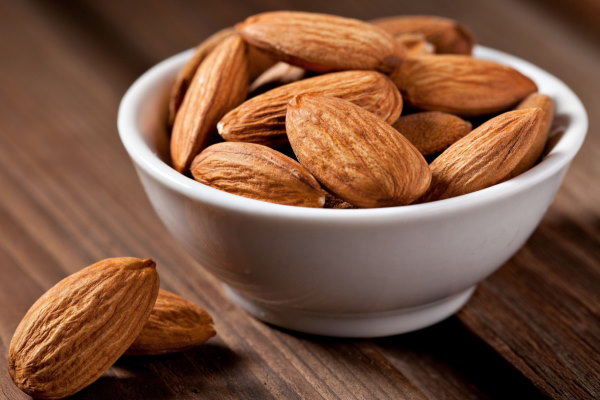
Check what else is in the bar: chocolate frequently contains milk, soy, wheat and nuts, or is made on the same line as them. Introduce those foods on their own first, so that if a reaction happens you know what caused it. Whole nuts in chocolate are also a choking hazard under four.
What caffeine and theobromine do
These two are the reason chocolate is not simply a sugary snack:
Broken sleep
Both are stimulants, and babies clear them far more slowly than adults. An afternoon square can still be active at midnight.
Racing heart and jitters
Restlessness, irritability and a faster heartbeat are common after more than a taste. It passes, but it makes for a long evening.
Reflux and loose stools
Theobromine relaxes the valve at the top of the stomach, so chocolate can worsen reflux in babies who already spit up.
Risks and safety
Chocolate is not an emergency food. If your toddler has eaten a chocolate button or half a donut at a birthday party, they are fine. Watch for a restless night and move on.
The things worth actual attention are the allergens hidden in the bar, whole nuts or hard chunks that pose a choking risk under four, and sugar landing on new teeth. For the sugar side, the American Academy of Pediatrics is clear that added sugars should wait until age two. Beyond that, chocolate is a treat like any other, better introduced late than early, and better at lunchtime than at six in the evening.
Chocolate FAQ
When can babies eat chocolate?
Most guidance suggests waiting until 24 months. Chocolate is mostly sugar, and it also contains caffeine and theobromine, two stimulants that a baby clears from their system far more slowly than an adult does. There is no nutritional reason to introduce it early.
Why does chocolate affect babies more than adults?
Chocolate contains caffeine and theobromine. Babies metabolise both slowly, so a small amount lingers and can cause restlessness, a racing heart, an upset stomach and broken sleep. A square that does nothing to you can keep a one year old awake for hours.
Can chocolate cause an allergic reaction in babies?
Chocolate itself rarely causes allergy, but what is mixed into it often does. Milk chocolate contains dairy, and many bars contain or are made alongside nuts, soy and wheat. If your baby has not had those foods yet, chocolate is a poor way to introduce them.
Is dark chocolate better for babies than milk chocolate?
Not really. Dark chocolate has less sugar and no dairy, but it contains considerably more caffeine and theobromine, so the stimulant effect is stronger. Neither is a good choice under two.
Sources
- Chocolate, Wikipedia.
- FoodData Central, U.S. Department of Agriculture.
- Feeding and Nutrition, American Academy of Pediatrics.
This article is general information, not medical advice. Every baby is different. Talk to your doctor, health visitor or paediatrician about your own baby, and about starting solids or any allergy concerns.