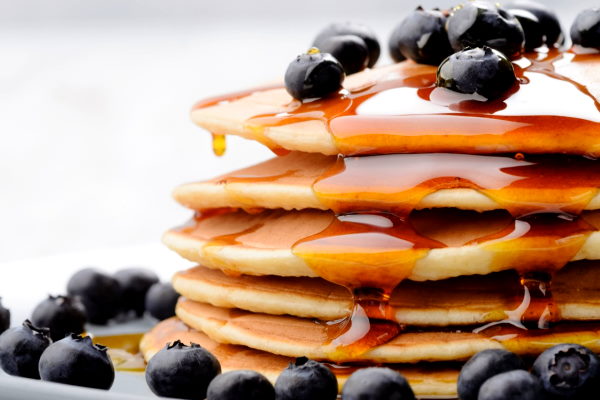
Can Babies Eat Pancakes?
Yes, the homemade kind. Pancakes are a brilliant finger food from around 6 months, as long as you make them yourself and skip the sugar. Cut into soft strips, they are easy for little hands, and they quietly introduce wheat, egg and milk. Just leave the syrup for the grown-ups.
Pancakes get a bad rap as a sugary treat, but that is all in the toppings. Strip those away and a simple pancake is just egg, flour or oats and milk, cooked soft. That makes it a genuinely handy baby food: an easy finger food that helps introduce a few common allergens in one friendly package.
What is a pancake?
A pancake is a flat cake made from a batter of flour or oats, egg and milk, cooked in a pan. There are thin styles and thick, fluffy ones. For babies, small, soft, thick pancakes made at home with no added sugar are the ones you want.
The best baby pancakes are barely more than fruit and egg. Mash a banana into the batter for natural sweetness, or fold in a little oat for a heartier texture.
Pancake nutrition for babies
Nutrition depends entirely on the recipe. A homemade banana and oat pancake gives carbs, some protein from the egg, and fibre.
| Nutrient | Per 100 g (plain) |
|---|---|
| Energy | 227 kcal |
| Carbohydrate | 28 g |
| Protein | 6 g |
| Fat | 10 g |
Typical values for a plain pancake. Home recipes with fruit and no added sugar are best for babies. Source: USDA FoodData Central.
When can babies eat pancakes?
Homemade pancakes can start from around 6 months as a finger food:
Cut small, soft, sugar-free pancakes into strips your baby can hold and gum.
Offer pancakes cut into small pieces, topped with a little fruit puree instead of syrup.
Pancakes become a proper breakfast now, with fruit on top, as do Kodiak Cakes. Keep added sugar and syrup out.
Tip: two-ingredient banana and egg pancakes are a weaning classic. Mash a banana, beat in an egg, and cook small spoonfuls. No flour, no sugar, and they hold together nicely as finger food.
Health benefits of pancakes for babies
Great finger food
Soft pancake strips are easy to hold, which makes them ideal for practising self-feeding.
Introduces allergens
Standard pancakes contain egg, wheat and milk, so they help bring these common allergens into the diet.
Energy
They provide carbs for energy, and with fruit and egg added they become a more balanced meal.
Homemade pancakes are endlessly adaptable. Fold in soft fruit, or serve them alongside scrambled egg for a fuller breakfast plate.
How to serve pancakes safely
Do
- Make them at home with no added sugar or salt.
- Cut them into soft strips or small pieces.
- Top them with fruit instead of syrup.
- Introduce new allergen ingredients one at a time.
Avoid
- Shop-bought or diner pancakes high in sugar.
- Syrup, chocolate spread or sugary toppings.
- Large, thick pieces for young babies.
- Adding salt to the batter.
Risks and safety
The main things with pancakes are sugar and allergens. Keep them homemade and sugar-free, and remember they contain egg, wheat and milk, so introduce those carefully if your baby has not had them yet. Cut them into soft, manageable pieces.
Sugar and salt: the NHS advises keeping added sugar and salt out of babies' food, so home-made, unsweetened pancakes are the way to go.
Easy pancake recipe (6 months)
Banana and oat baby pancakes
Makes 6 small pancakes, from 6 monthsIngredients
- 1 ripe banana, mashed
- 1 egg
- 3 tbsp fine oats
- A little unsalted butter for the pan
Method
- Mash the banana and mix in the egg and oats to make a thick batter.
- Cook small spoonfuls in a little unsalted butter over low heat until set and golden on both sides.
- Cool, then cut into strips. Top with fruit puree if you like, but no sugar or syrup.
Pancake FAQ
When can babies eat pancakes?
Babies can have pancakes from around 6 months if they are homemade with no added sugar or salt. Cut into soft strips, they make an easy finger food, and they help introduce wheat, egg and milk.
Are pancakes healthy for babies?
Homemade pancakes can be. Made from ingredients like banana, egg and oats, with no added sugar, they are a nutritious finger food. Shop-bought and diner-style pancakes are usually high in sugar, so make your own.
Do pancakes contain allergens?
Yes. Standard pancakes contain wheat, egg and milk, which are all common allergens. That can be a useful way to introduce them, but do it one new food at a time so you know what your baby has had.
How do you serve pancakes to a baby?
Make them small and soft, skip the sugar and syrup, and cut them into strips your baby can hold. Top them with fruit puree instead of anything sweet.
Sources
- Pancake, Wikipedia.
- FoodData Central, U.S. Department of Agriculture.
- Weaning and feeding, National Health Service (UK).
This article is general information, not medical advice. Every baby is different. Talk to your doctor, health visitor or paediatrician about your own baby, and about starting solids or any allergy concerns.