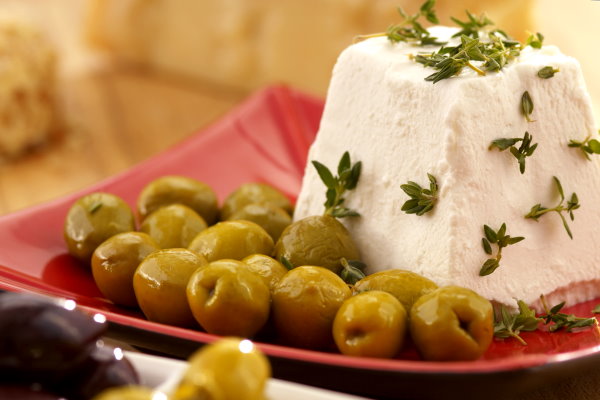
Can Babies Eat Feta?
Yes, but treat it as a seasoning, not a serving. Feta is fine from around 6 months in small amounts, as long as it is pasteurised. The thing to know is salt: feta has plenty of it, so a little crumbled through food is the way to use it, not a big chunk on its own.
Feta is one of those foods where the answer is yes, with an eye on the salt shaker, except the salt is already in the cheese. It is tasty, soft and easy to crumble, which makes it a nice way to add flavour to bland baby meals. The trick is to use a little, and to make sure it is pasteurised.
What is feta?
Feta is a soft, white, crumbly cheese that comes from Greece, traditionally made from sheep's or goat's milk. It is stored in brine, which is why it tastes salty and tangy. That salt is the main reason it is used sparingly for babies.
Feta works best as a little lift for milder foods. Crumble a small amount over soft tomato pasta, or through a plain vegetable mash where a mild cheese would usually go.
Feta nutrition for babies
Feta brings protein, calcium and fat, but it is high in salt, so it is used in small amounts.
| Nutrient | Per 100 g |
|---|---|
| Energy | 264 kcal |
| Protein | 14 g |
| Fat | 21 g |
| Calcium | 493 mg |
| Salt | high |
Typical values for feta. The salt content is high, which is why it is used sparingly. Source: USDA FoodData Central.
When can babies eat feta?
Feta can start from around 6 months, always pasteurised and always in small amounts:
Crumble a small amount of pasteurised feta finely and stir it through a vegetable puree or soft mash for flavour.
Mix a little feta into soft pasta, omelette or vegetable fritters, where its saltiness is spread through the dish.
Feta fits into salads, bakes and pastries now. Still keep an eye on the total salt for the day.
Pasteurised only: choose feta made from pasteurised milk. Unpasteurised soft cheeses carry a small risk of harmful bacteria that is best avoided for babies. Cooking feta thoroughly also lowers the risk.
Health benefits of feta for babies
Calcium
Feta is a good source of calcium, which babies need for strong bones and teeth.
Protein
It provides protein for growth, in a small, flavour-packed amount.
Adds flavour
A little feta lifts bland foods, which can help tempt a baby into eating vegetables.
Because a small amount does a lot, feta is a smart way to make plain foods more interesting. Sprinkle it through soft roasted vegetables, or stir it into a mild bean mash. Where you want the creaminess without the salt, use ricotta instead.
How to serve feta safely
Do
- Choose pasteurised feta.
- Use small amounts, crumbled finely.
- Mix it through milder foods.
- Watch total salt across the day.
Avoid
- Unpasteurised feta.
- Large chunks or frequent servings.
- Adding extra salt to the dish.
- Feta as a main food for babies.
Risks and safety
The two things to watch with feta are salt and pasteurisation. Keep portions small so the salt stays low, and always pick a pasteurised version, or cook it thoroughly. Cow's milk allergy is also possible, as with any dairy.
Salt for babies: the NHS advises babies have very little salt, so use salty cheeses like feta sparingly and count them in the day's total.
Easy feta recipe idea (6 months)
Tomato, pasta and a little feta for baby
Makes 2 baby portions, from 6 monthsIngredients
- 4 tbsp soft cooked small pasta
- 2 soft ripe tomatoes, peeled and chopped
- 1 tsp finely crumbled pasteurised feta
Method
- Cook the pasta until very soft and gently cook the tomato into a soft sauce.
- Stir the pasta through the tomato, then crumble over just a little feta and mix it in.
- Cool to a safe temperature and cut the pasta small before serving.
Feta FAQ
When can babies eat feta?
Babies can have feta from around 6 months in small amounts, as long as it is made from pasteurised milk. Feta is salty, so use it as a flavour, crumbled into other foods, rather than a main ingredient.
Is feta ok for babies with the salt?
Feta is high in salt, and babies need very little, so keep it to small amounts. A little crumbled through a vegetable dish is fine, but it should not be an everyday food or a big portion.
Does feta need to be pasteurised for babies?
Yes. Choose feta made from pasteurised milk, since unpasteurised soft cheeses carry a small risk of harmful bacteria. Cooking feta thoroughly also reduces the risk if you are unsure.
How do you serve feta to a baby?
Crumble a small amount finely and stir it through soft pasta, cooked vegetables or a mash. Its salty tang goes a long way, so a little is plenty.
Sources
- Feta, Wikipedia.
- FoodData Central, U.S. Department of Agriculture.
- Weaning and feeding, National Health Service (UK).
This article is general information, not medical advice. Every baby is different. Talk to your doctor, health visitor or paediatrician about your own baby, and about starting solids or any allergy concerns.