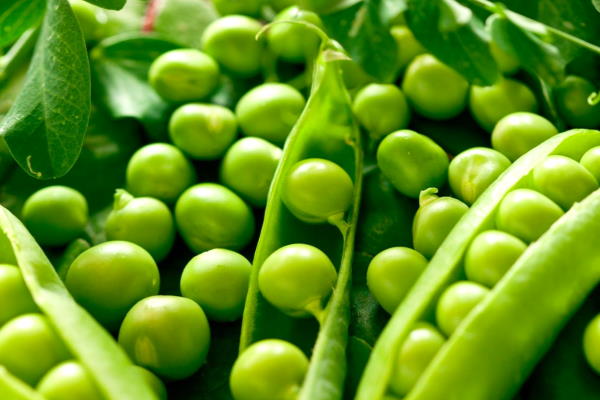
Can Babies Eat Peas?
Yes. From around 6 months, peas are a great early vegetable, but not loose and whole just yet. Mash or puree them first, because a whole pea is small, round and slippery, which is the classic choking shape. Bonus: for a veg, peas pack a real punch of protein.
Peas are the little green workhorse of baby food. They are cheap, they live in the freezer, and they cook in about five minutes flat. They are also weirdly high in protein for a vegetable. The only thing to think about is their shape, so let us sort that out.
What is a pea?
A pea is the small round seed that grows inside a pod on the pea plant. The green peas most of us cook are picked young and sweet. They are eaten fresh, frozen or dried, and freezing keeps them just as good for babies.
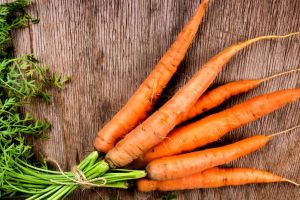
Pea puree is mild and a touch sweet, so it mixes into loads of things. Swirl it with mashed avocado for a green power bowl, or loosen it with a spoon of carrot puree.
Pea nutrition for babies
Peas are a small vegetable with a big nutrition label: plant protein, fibre, vitamin C and some iron.
| Nutrient | Per 100 g (cooked) |
|---|---|
| Energy | 81 kcal |
| Carbohydrate | 14.5 g |
| Fibre | 5.5 g |
| Protein | 5.4 g |
| Vitamin C | 14 mg |
| Iron | 1.5 mg |
Typical values for cooked green peas. Source: USDA FoodData Central.
When can babies eat peas?
Peas can start from around 6 months. It is really just a texture ladder from smooth to whole:
Cook the peas soft and blend them to a puree. Serve on its own or mixed into other vegetable purees.
Mash cooked peas with a fork, or squash each one so it is no longer whole and round. Great on a loaded spoon.
A confident chewer can manage whole soft cooked peas now. Still worth a watchful eye at the table.
Tip: frozen peas are picked and frozen at their peak, so they are often sweeter and more nutritious than tired fresh ones. Keep a bag in the freezer and you always have a fast vegetable ready.
Health benefits of peas for babies
Plant protein
Peas are high in protein for a vegetable, which supports steady growth, handy in veggie meals.
Fibre
The fibre in peas supports digestion and helps keep bowel movements regular.
Iron and vitamin C
Peas give some iron plus vitamin C in the same mouthful, and the vitamin C helps the body use the iron.
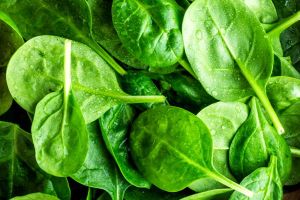
Peas team up with almost anything. Blend them with a leafy green like spinach, or stir a spoon into a savoury mash to sneak in some extra protein. Soft cooked okra stirs in just as easily.
How to serve peas safely
Do
- Cook peas until soft.
- Mash, squash or puree them for young babies.
- Use frozen peas for speed and sweetness.
- Sieve the puree if the skins bother your baby.
Risks and safety
Peas are low on the allergy scale, so the one thing on the list is choking. A whole pea is small, firm and round, which is a shape babies struggle with, so squash or puree them until your baby chews well. Do that and peas are one of the simplest, most useful foods on the tray. If the round shape puts you off, yellow squash cooks down to something far softer.
Variety: the World Health Organization recommends a range of safe, nutritious foods from 6 months, so rotate peas with other vegetables and protein foods across the week.
Easy pea recipe (6 months)
Simple pea puree for baby
Makes 3 baby portions, from 6 monthsIngredients
- 1 cup frozen peas
- Water for steaming
Method
- Steam or boil the peas for about 5 minutes, until soft and bright green.
- Blend to a puree, adding a little cooking water until it is smooth.
- Push it through a sieve if you want to catch the skins, then cool before serving.
Pea FAQ
When can babies eat peas?
From around 6 months. Steam or boil peas until soft, then mash or puree them. Whole peas are small and round, so hold off on those until your baby is a confident chewer.
Are peas a choking hazard?
Whole peas can be, because they are just the right size and shape to slip down. Squash, mash or puree them for babies. From about 12 months, a confident chewer can manage whole cooked peas under supervision.
Do I need to remove pea skins?
You do not have to, but the skins can be a bit stringy in a puree. Pushing the puree through a sieve gives a smoother result for early tastes, if your baby prefers it.
Are peas good for babies?
Very. For a vegetable, peas are surprisingly high in protein, and they bring fibre, vitamin C and iron too. They are also cheap and always in the freezer, which never hurts.
Sources
- Pea, Wikipedia.
- FoodData Central, U.S. Department of Agriculture.
- Infant and young child feeding, World Health Organization.
This article is general information, not medical advice. Every baby is different. Talk to your doctor, health visitor or paediatrician about your own baby, and about starting solids or any allergy concerns.