Can Babies Eat Quorn?
Best left until around 2 years. This is not a safety warning in the usual sense. Quorn is high in fibre and protein and low in calories, which is exactly what an adult wanting a lighter meal is after, and exactly the wrong profile for a baby who needs a lot of energy in a very small volume. Most products also contain egg.
Quorn is a reasonable food for adults and older children, and the reason it does not suit babies is worth understanding, because it applies to a whole category of foods. Products designed to be filling and low in calories are working directly against what a baby needs. A one year old has to take in a lot of energy through a stomach the size of their fist, which is why tofu suits them better.
What is Quorn?
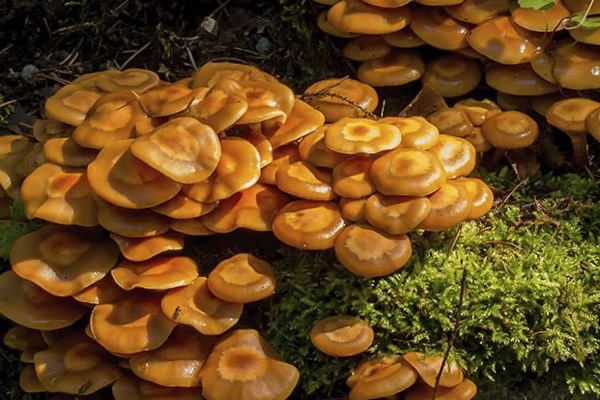
Quorn is made from mycoprotein, a protein produced by growing a fungus, Fusarium venenatum, in fermentation tanks and then processing the result into a fibrous texture resembling meat. It is high in protein and fibre and low in fat. Most products bind it with egg white, though there is a vegan range using potato protein.
Our tofu page covers the meat alternative that genuinely suits babies from six months, and vegan weaning covers the wider picture.
Why the profile does not suit a baby
Compare Quorn against tofu, which does the same job in a diet but differently:
| Per 100 g | Quorn pieces | Firm tofu |
|---|---|---|
| Energy | Around 105 kcal | 144 kcal |
| Protein | 15 g | 15 g |
| Fat | 2.5 g | 9 g |
| Fibre | 6 g | 2 g |
| Calcium | Low | 350 mg if calcium set |
| Salt | Varies, often 0.5 to 1 g | Trace |
Approximate values, which vary by product. The fibre and fat rows are the ones that matter for a baby. Source: USDA FoodData Central.
When can children have Quorn?
Later than most foods, and for reasons of suitability rather than danger:
This is the period where energy density matters most. Tofu, lentils, beans and eggs all provide protein in forms that work better for a baby.
Toddlers still need energy dense food and still have small stomachs. A taste from a family meal is not a problem, but it does not need to be a regular part of the diet.
By this point a child eats a wider range and more volume. Check the salt on individual products, which varies a lot across the range. Quorn sausages are among the saltier ones.
Mycoprotein can cause reactions: a small proportion of people react to mycoprotein itself, with symptoms ranging from vomiting and stomach cramps to hives, and in rare cases more serious allergic reactions. This is separate from the egg and milk in many products. If your child reacts to Quorn but tolerates egg, mycoprotein is the likely culprit.
Better protein alternatives
All of these work from around six months and suit a baby's needs better:
Tofu
Soft, mild and easy to mash or cut into fingers. Tofu set with calcium is a good calcium source too.
Lentils
Lentils collapse into a soft puree and bring iron, which matters a great deal from six months.
Eggs
If your family eats them, eggs are one of the best protein sources for a baby and easy to prepare.
Risks and safety
Quorn is not dangerous, and a toddler who eats some at a family meal is fine. The considerations are suitability and allergens. It is grown from a soil fungus, a relative of the mushrooms in the vegetable aisle. On suitability, the combination of high fibre and low energy density works against a baby's needs, and high fibre intakes can also reduce absorption of iron and zinc, which are already the nutrients most likely to fall short.
On allergens, most products contain egg white and some contain milk, so check the label, and mycoprotein itself can provoke reactions independently. Salt varies considerably across the range, with the breaded and sausage products generally highest, and our salt guide has the limits. If your family is vegetarian or vegan and you were counting on Quorn as a protein staple for a baby, the alternatives above do the job better.
Quorn FAQ
Can babies eat Quorn?
Most guidance suggests waiting until around 2 years. Quorn is made from mycoprotein, which is high in fibre and protein but low in energy density, and babies need the opposite: concentrated energy in small volumes. Most Quorn products also contain egg white, and mycoprotein itself can cause allergic reactions.
Why is Quorn not recommended for young children?
Two reasons. It is very filling relative to the calories it provides, so it can displace the energy dense food a growing baby needs. And it is high in fibre, which in large amounts can reduce mineral absorption and cause digestive discomfort in a small child. Neither makes it unsafe, they make it unsuitable as a staple.
Does Quorn contain allergens?
Yes. Most Quorn products contain egg white as a binder, and some contain milk protein. There are vegan lines that use potato protein instead. Separately, mycoprotein itself is a recognised cause of allergic reactions in a small number of people, sometimes with digestive symptoms.
What are better meat alternatives for a baby?
Lentils, beans, chickpeas and tofu all provide protein with better energy density and no mycoprotein question. Tofu in particular is soft, mild and easy to mash, and works from around 6 months. Eggs and full fat dairy are excellent too if your family eats them.
Sources
- Mycoprotein, Wikipedia.
- Vegetarian, vegan and plant-based diet, British Dietetic Association.
- FoodData Central, U.S. Department of Agriculture.
This article is general information, not medical advice. Every baby is different. Talk to your doctor, health visitor or paediatrician about your own baby, and about starting solids or any allergy concerns.