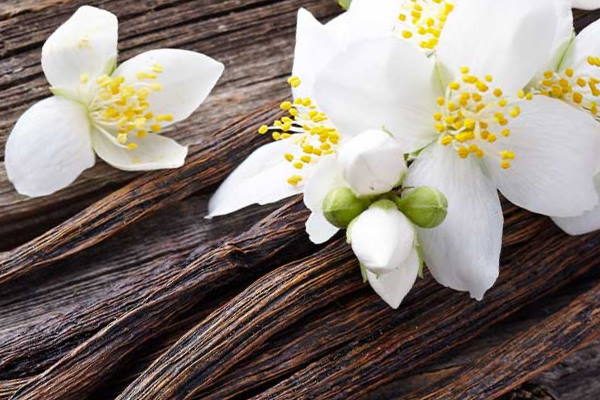
Can Babies Eat Vanilla?
Yes in baking, from 6 months. Vanilla is one of the best tricks available when you are feeding a baby without sugar, because it makes food read as sweeter than it is. The one fact worth carrying: pure vanilla extract is about 35 percent alcohol, roughly the strength of vodka. In a cake that is irrelevant. In an uncooked puree, use vanilla powder or a pod instead.
Vanilla belongs in the same category as cinnamon: a flavour that convinces the brain something is sweeter than it actually is, which is exactly what you want when the advice is no added sugar for two years. It is one of the more useful things in the store cupboard for that reason. The alcohol in extract catches people out, though, and it is a fair question given how firmly alcohol is ruled out elsewhere for babies.
What is vanilla?
Vanilla comes from the cured seed pods of a climbing orchid, mostly grown in Madagascar. The flavour compounds are not water soluble, which is why extract is made by steeping the pods in alcohol. That is the whole reason for the alcohol content: it is the solvent, not an additive.
Our alcohol page explains why babies are so sensitive to it, and includes vanilla extract in its list of things to keep high up in the cupboard.
The forms, and which to use when
This is the practical heart of the page:
| Form | Alcohol | Best used for |
|---|---|---|
| Vanilla pod, seeds scraped | None | Anything, cooked or raw |
| Vanilla powder | None | Yogurt, purees, porridge |
| Vanilla bean paste | Usually a trace | Baking and cooked dishes |
| Pure vanilla extract | About 35 percent | Baking, where it cooks off |
| Imitation vanilla | Varies, often none | Check the label |
A half teaspoon of extract in a whole cake leaves a negligible amount per portion. Source: USDA FoodData Central.
When can babies have vanilla?
Early, with the form chosen to match the dish:
Half a teaspoon of extract in a batch of muffins is fine, since it bakes off across many portions. For uncooked food, use powder or scraped seeds.
Vanilla and cinnamon together turn plain yogurt into something that tastes like a dessert, with no sugar involved at all.
Vanilla in normal recipe quantities needs no special thought, and the same is true of nutmeg. The bottle still belongs on a high shelf.
Store the bottle out of reach: a small bottle of vanilla extract contains as much alcohol as a couple of shots of spirits, and it smells sweet enough to interest a toddler. Cases of children drinking vanilla extract are uncommon but they happen. If it does, treat it as alcohol ingestion and call your doctor or emergency services straight away.
Vanilla yogurt with no added sugar
Shop bought vanilla yogurt is usually sweetened. This takes two minutes and is not:
Vanilla yogurt with no added sugar
Makes 2 baby portions, from 6 monthsIngredients
- 4 tablespoons plain full fat yogurt
- Seeds from a quarter of a vanilla pod, or a pinch of vanilla powder
- Half a ripe banana
- A pinch of cinnamon
Method
- Split the vanilla pod lengthways and scrape out the seeds with a knife tip.
- Mash the banana until completely smooth.
- Stir the banana, vanilla seeds and cinnamon through the yogurt.
- Serve straight away, or chill for up to a day.
Risks and safety
Vanilla allergy is very rare, and in cooking quantities vanilla is about as benign an ingredient as exists. It is the one flavouring worth reaching for when a plain yogurt needs lifting, rather than a sweetened pot such as Activia. Nothing about the flavour itself needs managing.
The alcohol is the only real consideration, and it splits neatly. Baked into food it is a non issue, since the quantity is small to begin with and spread across many portions. Stirred raw into a single baby's bowl it is a larger proportion, though still small, and easily avoided by using powder or a pod. Swallowed from the bottle it is a genuine alcohol ingestion, which is why storage matters more than any of the cooking questions. Whole vanilla pods are also tough and fibrous, so scrape the seeds and do not give a baby the pod itself.
Vanilla FAQ
Can babies have vanilla?
Yes, in the small amounts used in cooking and baking, from around 6 months. Vanilla makes food taste sweeter without any sugar, which is genuinely useful. The point worth knowing is that vanilla extract is around 35 percent alcohol, so it belongs in baked or cooked food rather than stirred raw into a bottle or a puree.
Does vanilla extract contain alcohol?
Yes, and more than most people expect. To be labelled pure vanilla extract in the United States it must contain at least 35 percent alcohol by volume, which is comparable to vodka. The quantity used in a recipe is tiny and most of it cooks off in baking, but it is a reason to keep the bottle out of reach.
Is vanilla safe in food that is not cooked?
A drop stirred into yogurt is a very small amount of alcohol and is unlikely to matter, but there is an easier answer. Use vanilla powder, vanilla bean paste or the seeds scraped from a pod for anything uncooked. These give the same flavour with no alcohol at all.
Is imitation vanilla as good as real vanilla?
For flavour, real vanilla is better. For safety, both are fine in cooking. Imitation vanilla is made with synthetic vanillin and is often alcohol free, which makes it a reasonable choice for uncooked food. Check the label, since some imitation extracts still use an alcohol base.
Sources
- Vanilla, Wikipedia.
- Foods and Drinks for 6 to 24 Month Olds, Centers for Disease Control and Prevention.
- FoodData Central, U.S. Department of Agriculture.
This article is general information, not medical advice. Every baby is different. Talk to your doctor, health visitor or paediatrician about your own baby, and about starting solids or any allergy concerns.