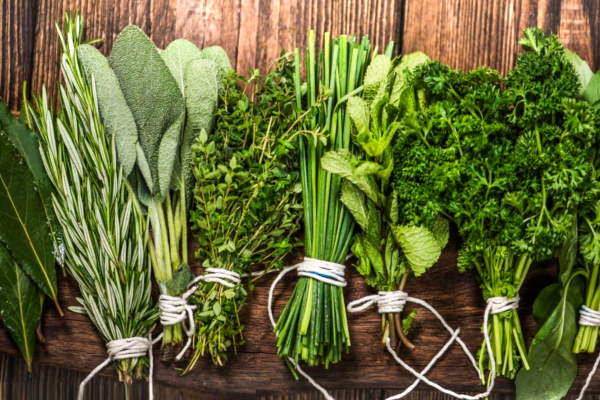
Can Babies Eat Herbs?
Yes, from 6 months, and you should use more of them than you probably do. Herbs are the simplest way to make baby food taste of something when salt is off the table, and early exposure to varied flavours is associated with less fussy eating later. Two caveats: chop fresh herbs finely, and do not confuse culinary herbs with herbal teas or supplements.
There is a persistent idea that baby food should be plain, and it does not hold up well. Most of the world seasons infant food with whatever the family eats, and the research on flavour exposure points the same way: babies who meet a wide range of tastes early tend to accept more foods later. Herbs are the cheapest, easiest version of that, and blends such as zaatar take it a step further.
Herbs worth having
Soft herbs like basil, parsley, dill, coriander, chives and mint are best added at the end of cooking, since heat destroys their flavour. Hard herbs like thyme, rosemary, oregano, sage and bay stand up to long cooking and should go in early. All of them are suitable for babies from six months.
Our oregano page covers one of them in detail, and the spices guide handles the separate question of heat.
What goes with what
A rough map, if you are not sure where to start:
| Herb | Goes well with | Add |
|---|---|---|
| Basil | Tomato, pasta, courgette | At the end |
| Dill | Fish, potato, yogurt, peas | At the end |
| Parsley | Almost anything savoury | At the end |
| Mint | Peas, yogurt, fruit, lamb | At the end |
| Thyme | Chicken, root vegetables, stews | Early |
| Oregano | Tomato sauce, beans, courgette | Early |
| Bay | Stocks, stews, lentils | Early, then remove |
Herbs are used in quantities too small to contribute meaningful nutrition. Source: USDA FoodData Central.
Using herbs by age
The herb does not change, only how finely you chop it:
Blend soft herbs straight into a puree, or chop them very finely for a mash. Introduce one at a time alongside other new foods.
Herbs can be seen and tasted now. Keep pieces small, since a whole basil leaf can stick to the roof of the mouth and cause a gag.
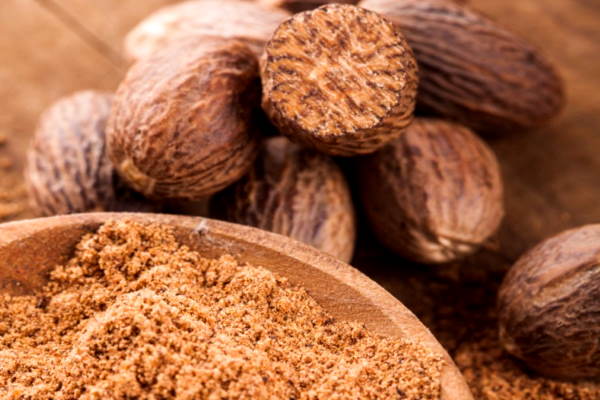
No restrictions worth noting. Growing a pot of basil or mint on the windowsill is also a good way to get a toddler interested in food. Dried spices such as nutmeg keep in the store cupboard instead.
Culinary herbs and herbal medicine are not the same thing: a pinch of chopped mint in food is nothing like a cup of mint infusion or a herbal supplement. Herbal teas, tinctures, gripe waters containing herbal extracts and essential oils all deliver far higher doses, and many have not been studied in infants. Do not give these to a baby without medical advice.
Washing and storing
Fresh herbs are a leafy vegetable and need the same handling:
Do
- Wash fresh herbs thoroughly under running water
- Chop finely, so no whole leaves remain
- Add soft herbs at the end and hard herbs early
- Remove bay leaves and woody thyme stems before serving
- Use about a third as much dried as fresh
Do not
- Give herbal teas or infusions to a baby
- Use essential oils in food at all
- Give herbal supplements without medical advice
- Leave whole bay leaves in a dish, which are sharp and a choking risk
- Forage wild herbs unless you are certain of the identification
Risks and safety
Culinary herbs in cooking quantities are among the lowest risk things on this site. Allergy is rare, though it happens, so introduce them one at a time, exactly as you would with jalapenos or any other new flavouring. A few, such as coriander and parsley, are in the same plant family as celery, which is a recognised allergen in the UK and EU, so babies with a known celery allergy should be introduced to those carefully.
The practical points are texture and washing. Whole leaves can stick in the mouth, and bay leaves in particular stay sharp and firm after cooking and must be fished out. Wash fresh herbs properly, since leafy produce has been linked to foodborne illness. And keep the line clear between herbs in food and herbal remedies, which is where the actual caution belongs.
Herbs FAQ
Can babies eat herbs?
Yes, from around 6 months, and it is worth doing. Basil, parsley, dill, oregano, thyme, mint and coriander are all fine and give baby food flavour without any salt. Introduce them one at a time as you would any new food, and wash fresh herbs thoroughly.
Do herbs help with fussy eating?
There is decent evidence that babies exposed to a wide range of flavours early are less fussy later. Bland purees teach a narrow palate. Herbs are an easy way to widen it, since they add complexity without heat, salt or sugar, and they cost almost nothing to add to food you are already making.
Are herbal teas safe for babies?
Generally not, and they are a separate question from culinary herbs. Herbal teas and infusions deliver a much more concentrated dose, some contain compounds that are not well studied in infants, and they displace milk. Babies under 6 months need only milk, and after that water is the drink to offer.
Should I use fresh or dried herbs for baby food?
Both work. Dried herbs are more concentrated, so use about a third of the amount you would use fresh, and add them early in cooking so they soften. Fresh herbs are better stirred in at the end. Chop fresh herbs finely, since a whole leaf can stick to the roof of the mouth.
Sources
- Herb, Wikipedia.
- Feeding and Nutrition, American Academy of Pediatrics.
- Complementary feeding, World Health Organization.
This article is general information, not medical advice. Every baby is different. Talk to your doctor, health visitor or paediatrician about your own baby, and about starting solids or any allergy concerns.