Can Babies Eat Kale?
Yes, from around 7 months, once your baby has a few first foods under their belt. Here is the honest bit: almost no baby will eat a pile of plain kale. Cook it soft and blend it into something they already like. In return you get iron and a serious dose of vitamin C.
Kale has a bit of a reputation. Grown-ups blend it into smoothies and feel virtuous about it, while babies mostly just look at it funny. Cooked soft and blitzed into a puree, though, it slips quietly into a meal. Here is when to start, how to serve it, and a recipe that actually gets eaten.
What is kale?
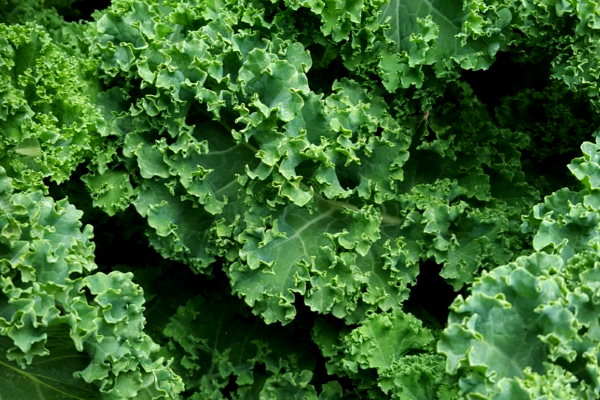
Kale is a leafy green in the cabbage family, the one with dark, ruffly leaves. It grows happily in cool weather, which is why you see so much of it in winter. Raw, it is firm and a touch bitter. Cooked, it softens and calms right down. It is a close cousin of spinach, and the two behave in much the same way for babies.
Kale nutrition for babies
For a leaf, kale carries a lot. You get iron, a large amount of vitamin C, vitamin K, calcium and fibre.
| Nutrient | Per 100 g (raw) |
|---|---|
| Energy | 49 kcal |
| Protein | 4.3 g |
| Fibre | 3.6 g |
| Vitamin C | 120 mg |
| Vitamin K | 705 mcg |
| Calcium | 150 mg |
Typical values for raw kale. Source: USDA FoodData Central.
When can babies eat kale?
Kale is best a little after the very first foods, from around 7 months. Cook it well every time, and change how you serve it as your baby grows:
Steam or boil kale until it is really soft, then blend it into a puree with something mild like potato or sweet carrot. Alone it is a lot. Mixed in, it just works.
Fold finely chopped, well-cooked kale through mashes, soft pasta or scrambled egg.
Stir kale through risotto, soups and pasta sauces. Soft baked kale can be fun too, as long as the pieces are not hard or crunchy. Lettuce stays trickier for longer, since a raw leaf is hard for a small mouth to manage.
Tip: the iron in kale is easier to absorb alongside vitamin C. Kale already has plenty of its own, but serving it with a little tomato or some fruit gives your baby an extra hand.
Health benefits of kale for babies
Iron
Kale is a plant source of iron, which babies need in bigger amounts once solids begin at around 6 months.
Vitamin C
There is a lot of vitamin C in kale, and it helps the body take up iron from the meal.
Vitamin K and calcium
Kale supplies vitamin K and calcium, which the body uses for bones and for healthy blood.
How to serve kale safely
Do
- Strip the leaves off the tough stems.
- Cook kale until it is properly soft.
- Blend or finely chop it into other food.
- Pair it with a vitamin C food for the iron.
Avoid
- Raw kale, which is stringy and hard to chew.
- Big whole leaves or tough stems.
- Adding salt.
- Hard, crunchy kale crisps for young babies.
Risks and safety
Kale is low on the allergy scale, so the main jobs are cooking it soft and cutting out the stringy bits. Like other leafy greens it contains natural nitrates, which is nothing to worry about when kale is one part of a varied diet rather than the whole plate.
Weaning basics: introduce kale on its own the first time and keep an eye on your baby. For more on first vegetables and safe textures, the NHS has clear, practical advice, and you can browse more options in our vegetables guide.
Easy kale recipe (7 months)
Kale and potato baby puree
Makes 3 baby portions, from 7 monthsIngredients
- A handful of kale leaves, tough stems removed
- 1 small potato
- Water for steaming
Method
- Strip the leaves off the tough stems and chop them roughly.
- Steam or boil the potato and kale together until both are really soft, about 12 minutes.
- Blend to a smooth puree with a little cooking water, then cool before serving.
Kale FAQ
When can babies eat kale?
Kale suits babies from around 7 months, once they are comfortable with a few first foods. Cook it until soft and blend it into a puree with something milder, because on its own it is a tough sell.
Why is kale hard for babies to eat?
Raw kale is firm, stringy and a little bitter, which is a lot for a new eater. Cooking softens it and takes the edge off the flavour, and blending it into other food does the rest.
Is kale good for babies?
Yes. Kale brings iron, a big hit of vitamin C, vitamin K and fibre. The vitamin C helps the body absorb the iron, which is handy since babies need plenty of iron from 6 months.
Can babies eat raw or crispy kale?
Skip raw kale for babies, since it is stringy and hard to chew. Cooked and blended is the way to go. Soft baked kale can come later for older babies, as long as the pieces are not hard or crunchy.
Sources
- Kale, Wikipedia.
- FoodData Central, U.S. Department of Agriculture.
- Weaning and feeding, National Health Service (UK).
This article is general information, not medical advice. Every baby is different. Talk to your doctor, health visitor or paediatrician about your own baby, and about starting solids or any allergy concerns.